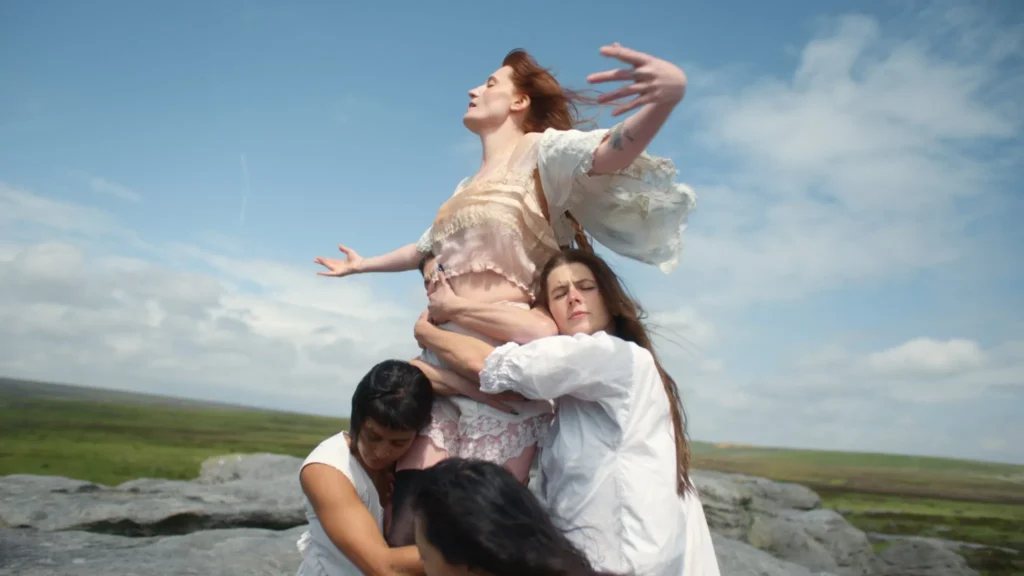
Florence + The Machine: Everybody Scream
Everybody Scream feels like a natural but startling turning point for Florence and the Machine, a record that doesn’t erupt outward so much as smolder from within. Where Dance Fever pulsed with mythic possession and ecstatic release, and where her earlier work leaned into cyclone-like catharsis, Everybody Scream settles into the quiet tremor that comes after the final, primal shout. Florence Welch has spoken about this project as something that arrived with surprising clarity, saying she no longer felt compelled to chase transcendence and instead wanted to “honor the small trembles of being human.” That shift matters. It signals a move away from the monumental symbolism and ecstatic emotional peaks that defined her earlier eras and into something smaller, sharper, and more instinctive. The album doesn’t strain for grandeur. It breathes.
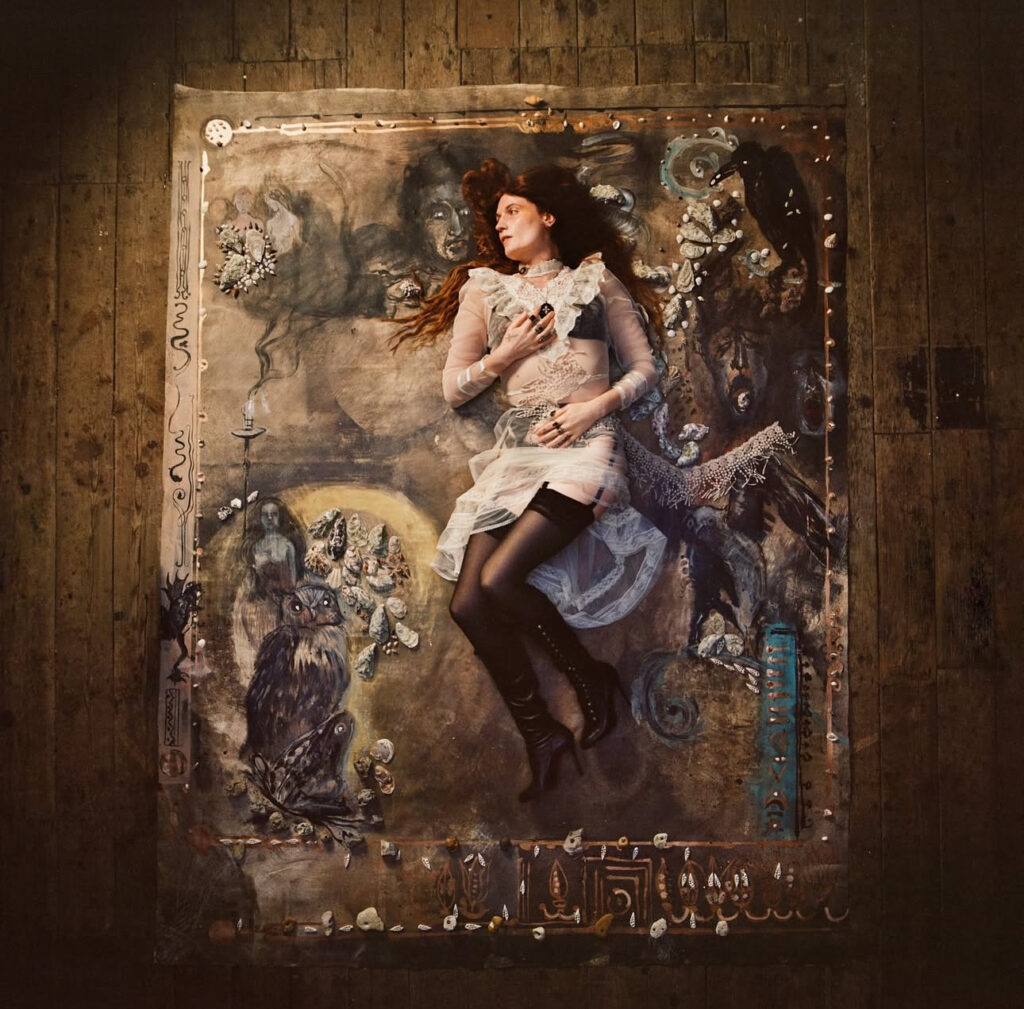
Florence’s career has long been shaped by dramatic reinvention. Lungs was wild gothic romanticism. Ceremonials was cathedral-sized sorrow rendered in oceanic scale. How Big, How Blue, How Beautiful found her stripping back the supernatural to confront the human. High as Hope brought the vulnerability even closer. Dance Fever blended myth and modernity into ecstatic motion, an album born from bodies remembering how to move again. Everybody Scream, in contrast, feels like Florence staying still long enough to feel the aftershocks. It is quieter without being timid, intimate without losing its edge. Instead of ascending into ether, she sinks deeper into the earth.
That grounding begins immediately with the opener, a track that enters with a quiet but unmistakable thrum. It doesn’t burst; it simmers. Florence’s voice is close, nearly unadorned, carrying the soft grit of someone finally speaking at the volume they actually feel. The song sets the tone for the entire album, a tone that Florence herself has described as “letting the emotional echo ring instead of trying to shout over it.”
The next track moves in with a shadowy glow, warm but bruised. It drifts with the feeling of a memory that hasn’t decided whether it’s comforting or painful. In earlier eras, Florence might have turned this ambiguity into an anthem or a wail, but here she lets it remain suspended. It’s a pivotal difference in Everybody Scream: emotion is not escalated into spectacle, it is held.
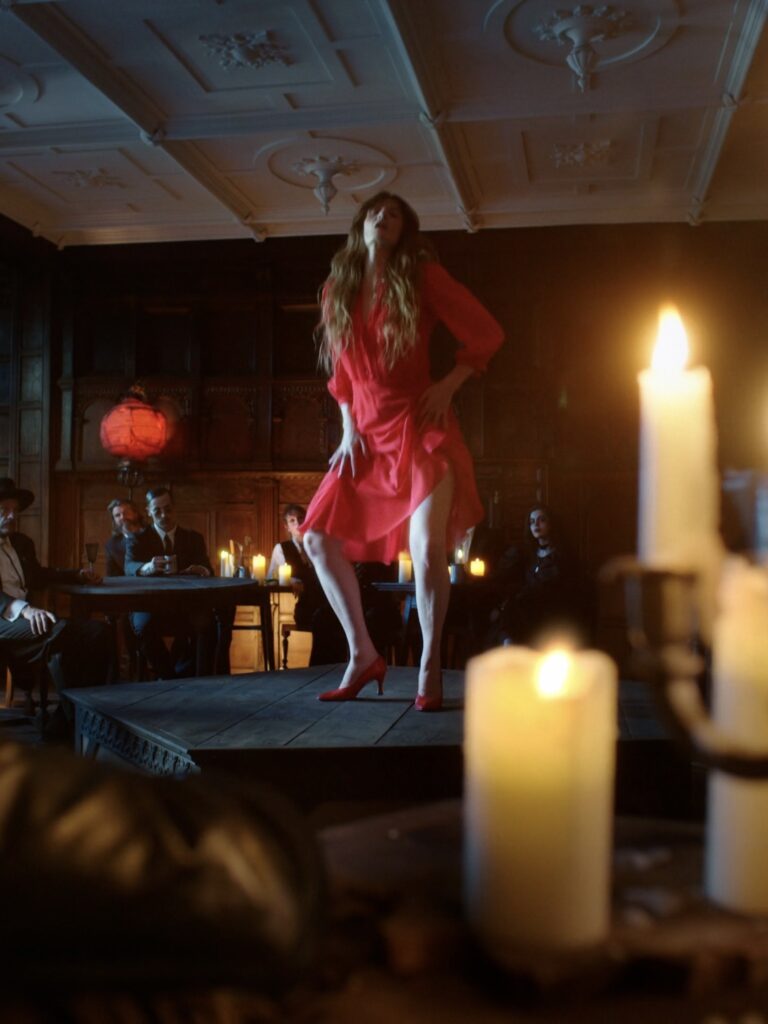
A collaboration midway through the album becomes an immediate standout. The pairing is intuitive, merging Florence’s instinct for raw spiritual ache with a younger artist’s airy emotional precision. The result is a track that shimmers between wistful longing and quiet clarity. It glows not through volume but through thin, luminous layers of feeling. It’s one of Florence’s most accessible songs in years while still honoring her signature emotional complexity.
Another track returns to a sense of bodily rhythm. It steps with confident intensity, the kind of song that recalls the physicality of her earlier work but without the storminess. Desire becomes motion again, but it’s grounded and intentional rather than desperate. Florence has spoken about wanting to reconnect with her body as something tender rather than dramatic, and this track embodies that shift.
Then comes a warm, flickering memory-piece, a song that feels like wandering through an emptied room still warm from a party. Details sharpen and fade. Florence has always been gifted at making the intangible feel tactile, but here she does so without the sweeping metaphors that once defined her. It’s soft, lived-in, almost domestic in its emotional texture.

Two mid-album songs function like reflections of each other, each tracing the tension between vulnerability and self-preservation. One leans into exposed longing; the other into guarded self-awareness. Florence often constructs albums around emotional dualities, but here the duality is quieter, more internal. The songs recognize the contradictions within desire rather than attempting to reconcile them.
A later track pulses with intimate energy, the kind of under-the-skin rhythm that stays long after it ends. It’s sensual in a distinctly Florence way, not through seduction but through emotional proximity. Another track then melts into warm, understated glow, one of the album’s most tender descents. It’s the sound of Florence allowing simplicity to speak for her, something she has grown increasingly comfortable with.
One of the album’s emotional anchors arrives soon after, capturing the ache that settles when celebration stops and silence rushes back in. The track sits with loneliness gently instead of dramatizing it. Florence’s previous work often cast solitude in mythic terms, but here it’s plainspoken, human, almost delicate. It marks one of the clearest distinctions between Everybody Scream and her earlier records. The emotional stakes are still high, but the scale is closer to the body, closer to the bone.

The closing track leaves the album suspended in a kind of warm, blurred light. It doesn’t reach for a finale. Instead it hovers, glowing with the last faint trace of reverberation. Florence holds the final emotional shimmer until it dissolves, allowing the album to fade rather than conclude. It feels intentional, almost ritualistic in its gentleness.
What makes Everybody Scream stand out within Florence and the Machine’s body of work is its refusal to turn aftermath into spectacle. Florence has built a career on transformation, on turning chaos into ceremony and emotion into myth. Here, she does the opposite. She lingers in the human-scale tremors. She trusts the small spaces. She trusts the silence that follows the scream.
In letting the emotional afterglow settle instead of rushing to ascend from it, Florence has created one of her most quietly powerful works. Everybody Scream does not demand catharsis. It invites presence. It honors residue, breath, shadow. It is the warmth after the wildness, the tremble after the cry, the soft human place where feeling doesn’t need to become anything other than itself. And in that restraint, it becomes one of her most revealing albums yet.