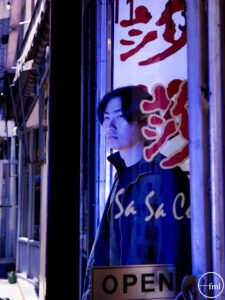
FML Music Spotlight: Seth Lee
Actor, musician, and model Seth Lee is entering a new chapter, one that feels distinctly more personal. Having built a career across film and fashion, including being personally selected by Hedi Slimane for CELINE’s Boy Doll campaign, Lee is now turning inward through music as the frontman, lead singer, and guitarist of LEED.
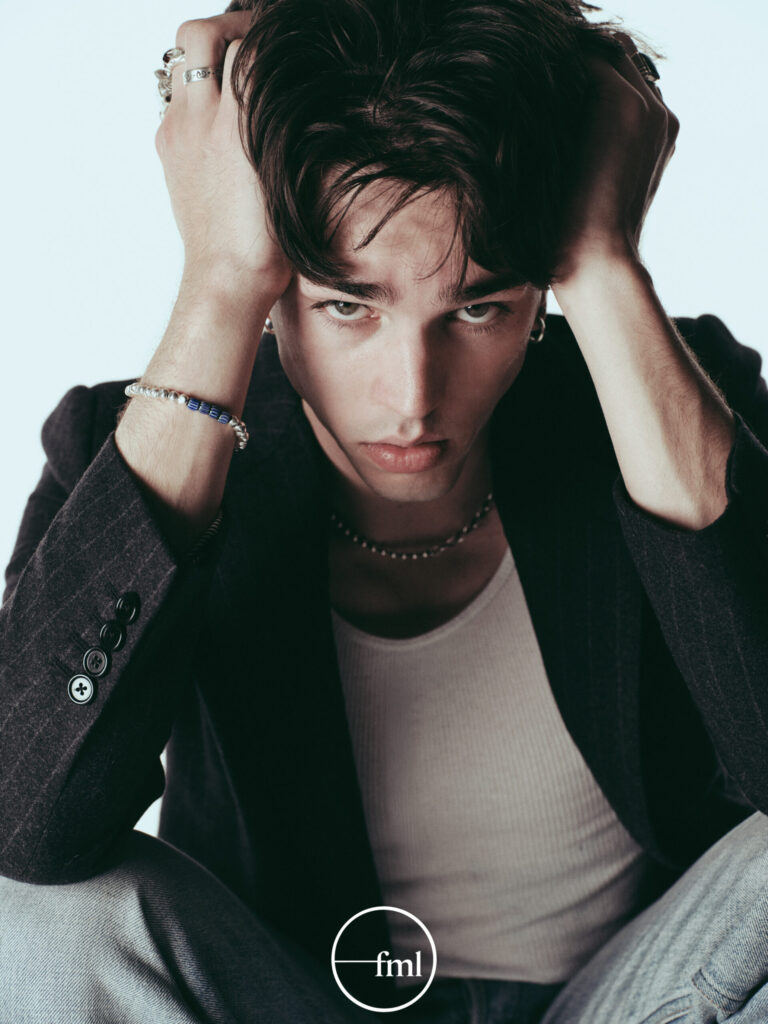
Photography: Jonny Marlow
The band’s debut EP, It’s All a Blur, finds Lee confronting grief, relationships, body image, and a period of his life shaped by an unexpected Type 1 diabetes diagnosis at 21. Its most personal track, Priceless, looks back at a time when Lee was quietly becoming increasingly ill while simultaneously being celebrated by an industry largely focused on how he looked. Elsewhere, Yellow Birdie reflects on a relationship that ended with gratitude rather than resentment, while the project as a whole explores the strange haze that can follow loss.
Ahead of this next chapter, FML got to sit down with Seth Lee to talk about the making of It’s All a Blur, the complicated reality behind Priceless, finding strength through vulnerability, and how music has given him a new space to tell his story.
FML: Your upcoming EP It’s All a Blur feels deeply personal. Looking back now, what emotions come to mind when you think about the period in your life that inspired it?
SL: Looking back now, it feels like a totally different life I was living. I came to learn so much about myself in the time of writing this project. Things about me that I don’t think I would have discovered otherwise. When it came time to write, I had already been so far removed from these stories it allowed me to see so much clearer. Not just my side of things, but the whole picture. I saw my flaws and struggles in a way that also made me want to better myself. I feel very freed when I think about that previous life.
FML: “Priceless” was written during a time when you were unknowingly living with Type 1 diabetes while the industry continued celebrating your appearance. What was it like to experience those two realities simultaneously?
SL: It was a confusing time in my life, no doubt. I think the continued parading of my success made it significantly harder to notice how my body was giving in on itself. I convinced myself no matter how sick I was getting, there was a far more reasonable reason as to why and it was not worth my time to get checked out. By the time I was diagnosed I felt so sorry for that version of me that felt like he had to be strong and quietly fight that battle.
FML: The song touches on the idea of quietly falling apart while everyone around you assumes you’re thriving. Why was it important for you to tell that story now?
SL: It’s been two years since my diagnosis, and coming out of the hospital I wasn’t quite sure how open I was going to be about my experience. I was in a much more fragile state with it, but overall I’ve always been an open book. So through time, it felt counter intuitive to who I am if I sat by and didn’t express my story. When I started writing music, it felt like the right outlet to share with people what I went through. It also was a story that I think can translate to a lot of harder topics surrounding body image as a whole.
FML: Since receiving your diagnosis, how has your understanding of strength and vulnerability evolved, both personally and creatively?
SL: A huge revelation is that to be strong means to be vulnerable. To cower away from honest feelings is not a reflection of strength. When I was putting up a front that my physical health wasn’t falling apart, I wasn’t being truthful to myself. That to me is a vicious weakness that plagues so many of us. This concept spreads in all areas of life, and I have lived a better life because of it.
FML: The title It’s All a Blur is incredibly evocative. What does it represent to you, and how does it connect the different songs across the EP?
SL: To me, the title comes from the immediate impact following immense loss or grief. That type of whiplash almost makes you forget the whole story. Grief is a huge through line in the project, and sonically I really wanted to explore that. I sought out to create an atmospheric, spacey landscape while marrying together the chaos that is at the epicenter of this kind of turmoil.
FML: “Yellow Birdie” reflects on a relationship that ended with mutual respect rather than heartbreak. Why did you want to write about a love story that doesn’t fit the traditional narrative of loss?
SL: Ultimately, I never had anything but gratitude for that relationship when it ended. There was nothing I felt was left unsaid or unheard. To write from that place was more honest to the experience and I never want to twist the narrative in my storytelling.
FML: You’ve built careers across acting, music, and fashion. Do those creative outlets satisfy different parts of who you are, or do they ultimately serve the same artistic purpose?
SL: I do think that all the different outlets come from a different place in me, and can only be satisfied in their respective areas. The songs I write and the roles I take on, blossom from a different place in my brain. The crossover that exists is through honest storytelling and through that process, I become more aware of myself and ultimately a better artist overall. That awareness transcends artforms and is a high that I’m always chasing.
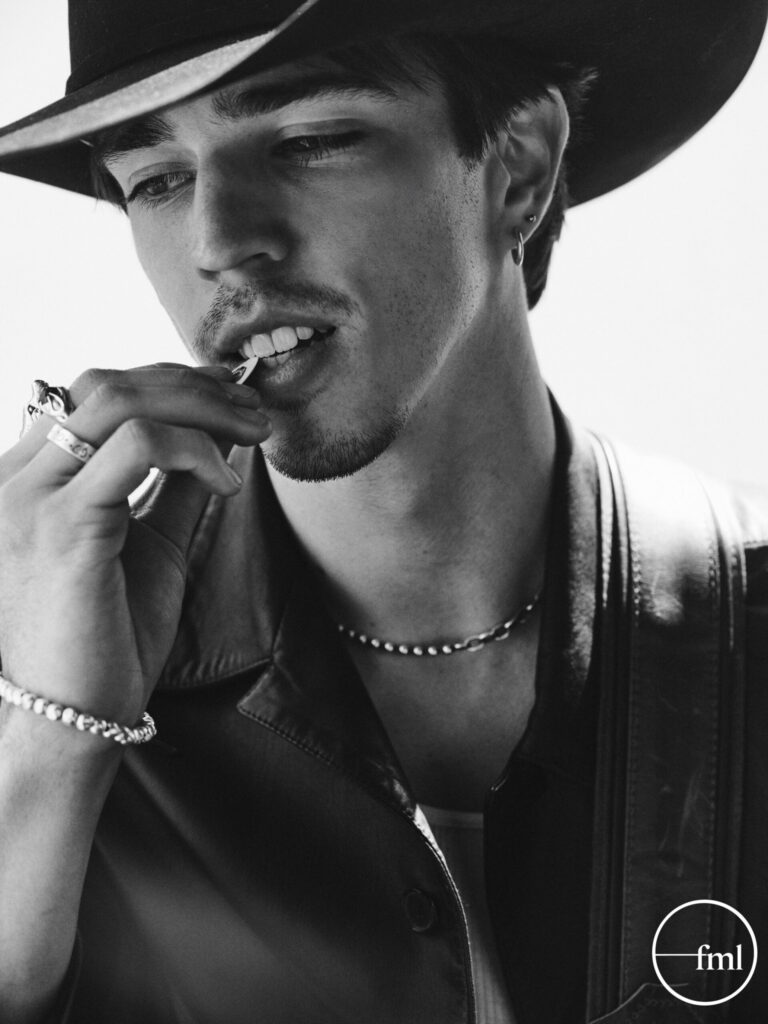
Photography: Jonny Marlow
With It’s All a Blur, Lee steps into an exciting new era, bringing together the many creative worlds that have shaped his career so far. Music offers another dimension to an artist already at home across film and fashion, this time with Lee taking the lead on his own stories, experiences, and sound.
As LEED continues to evolve, so does Lee. Moving between acting, fashion, music, and whatever comes next, he approaches each medium with curiosity and an instinct for honest storytelling. It’s All a Blur may look back at the experiences that shaped him, but for Lee, the focus is firmly on what comes next.
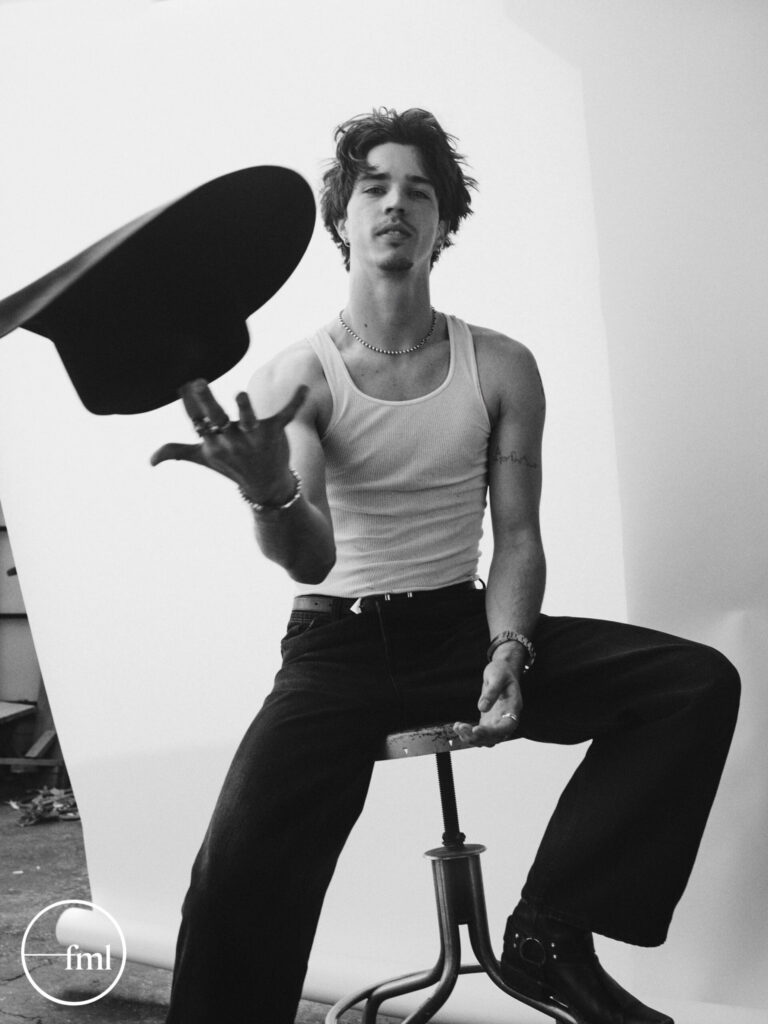
Photography: Jonny Marlow