FML Music Spotlight: Theophilia
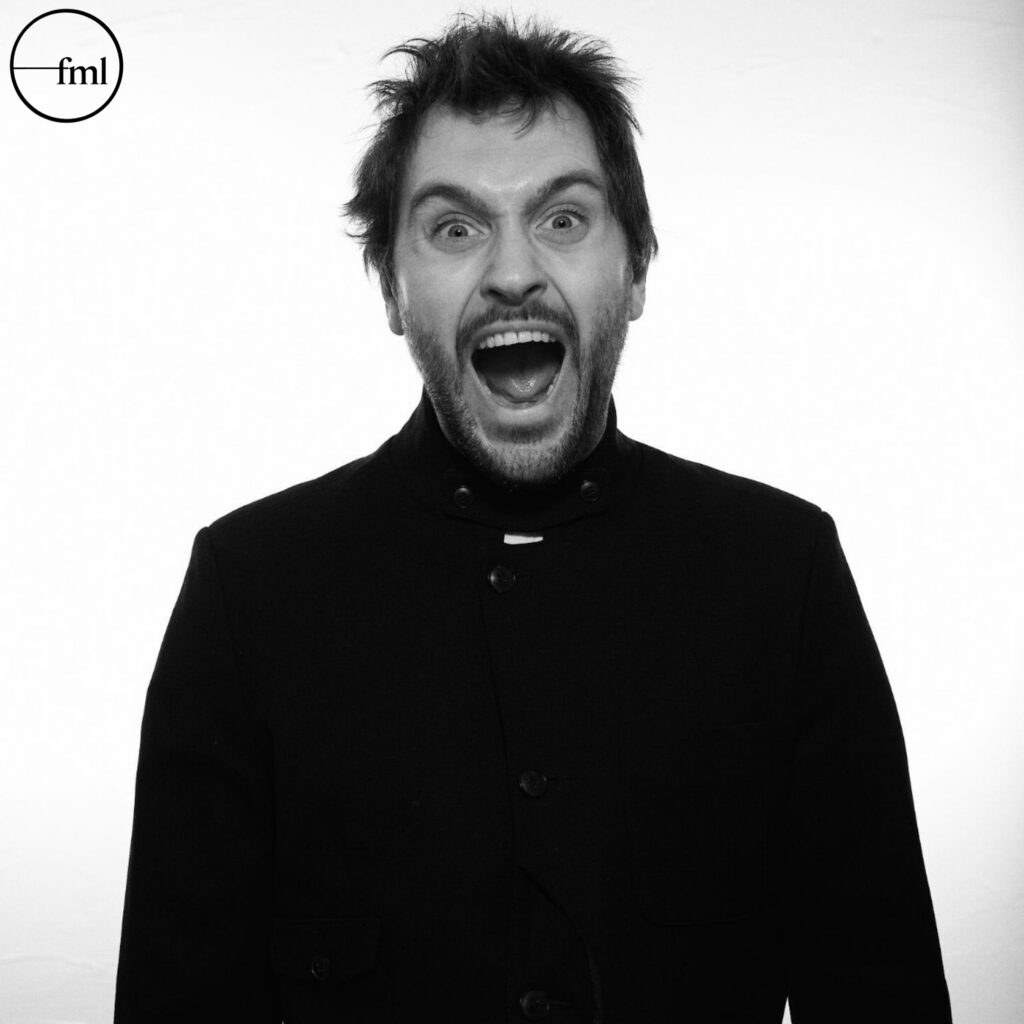
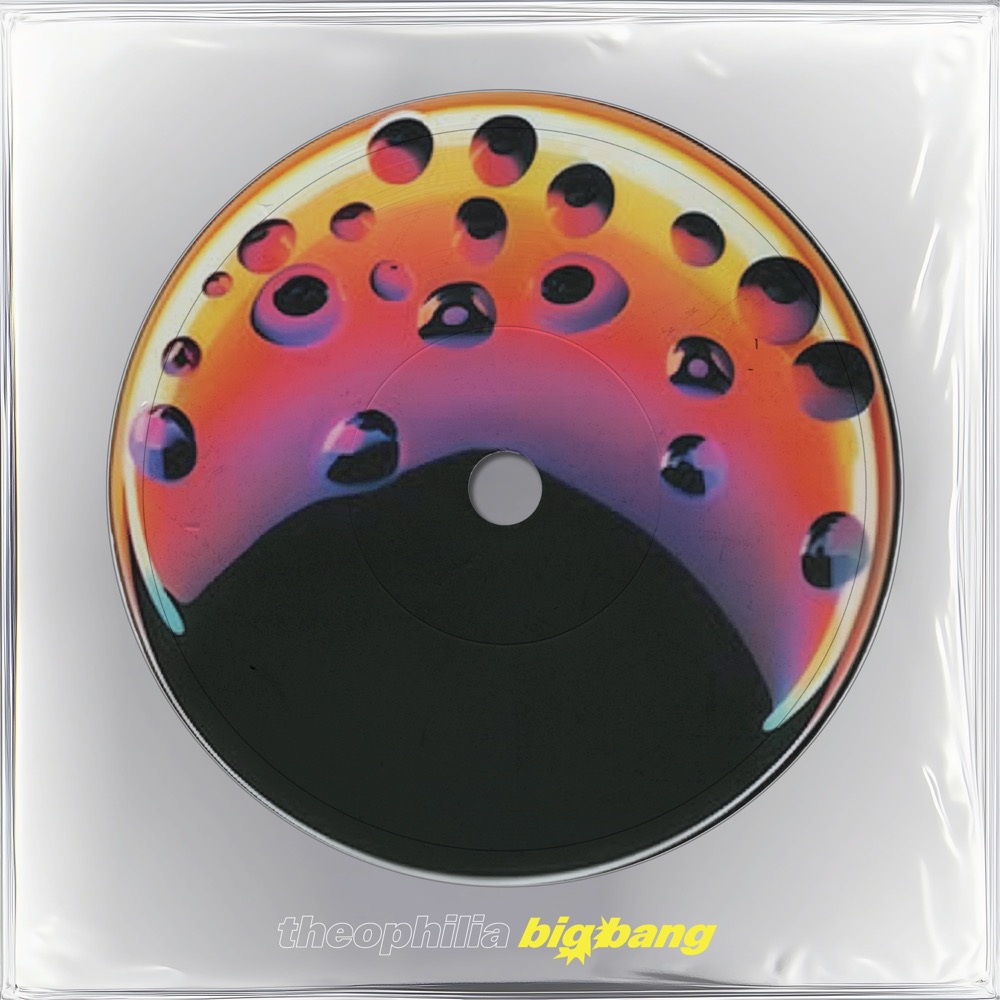
There’s something quietly explosive about Theophilia’s arrival. On Big Bang, the Stockholm-based artist doesn’t just introduce himself, he unfolds. Across ten tracks that drift between techno, house, pop, and rock, the project feels less like a debut and more like a release of pressure, where emotion, memory, and instinct collide into something both fragile and fully formed.
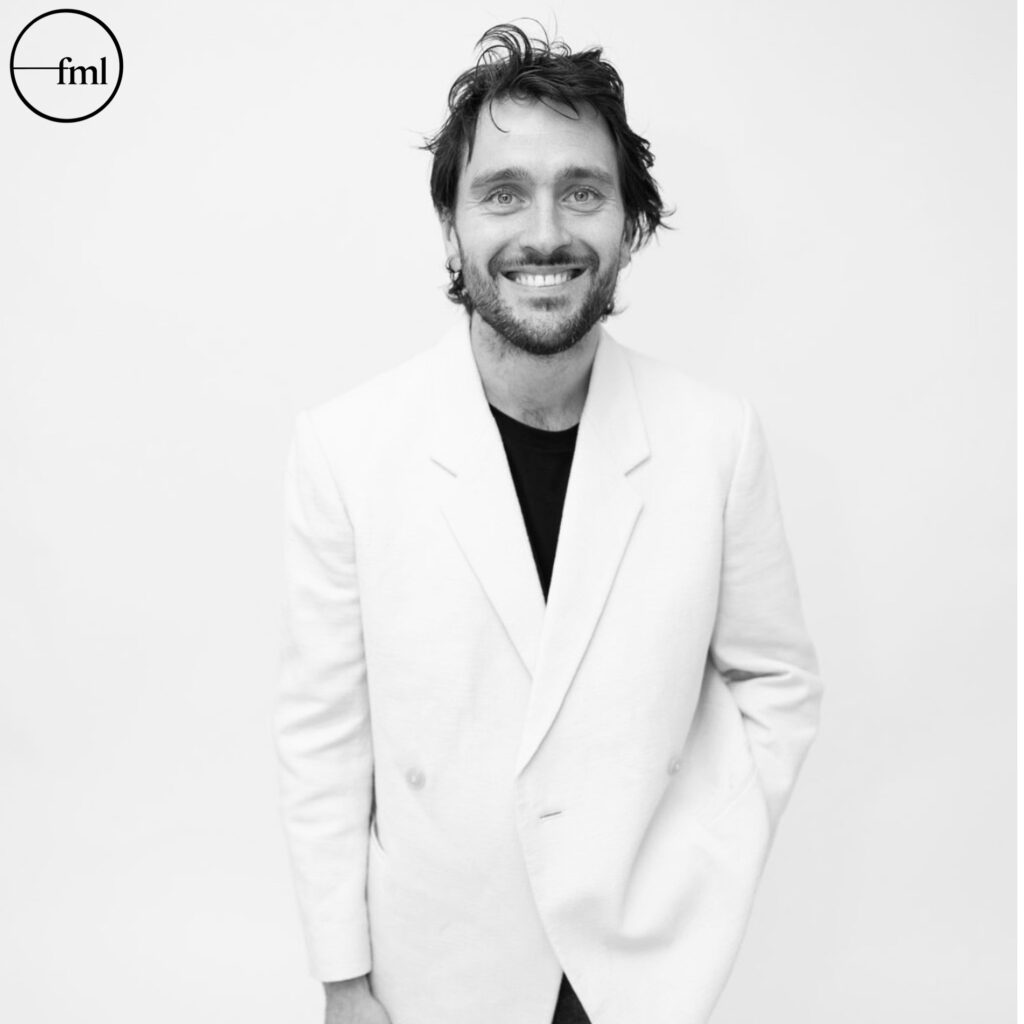
Theophilia exists in contrast. Sophisticated yet reckless. Raw yet deliberate. It’s a duality that has shaped his evolution over the past fifteen years, a process rooted in allowing every part of himself to take up space. That openness runs through Big Bang, giving it a sense of unpredictability that never loses its emotional core.
There’s no rush in how this record moves. It couldn’t have been rushed. Big Bang has lived many lives, passing through multiple studios and countless iterations before settling into its final form. That patience is embedded in the music itself, where tension, restraint, and detail take precedence over immediacy. Each moment feels considered without losing instinct.
Sonically, Theophilia resists definition. Genre dissolves the moment it’s named. Instead, he chases feeling, pulling inspiration from everywhere without hierarchy. The result is a soundscape that is fluid and elusive, moving between the unfiltered and the dreamlike with ease. There’s a playfulness to it, but also a weight, a sense that every sound carries something lived-in.
KVWEIISBEA27XKWOPCI3T5ZLH4
That weight comes from experience. Big Bang traces a path through the extremes of being human, from the illusion of youthful immortality to the quiet acceptance of mortality. Euphoria and existential reflection sit side by side, creating a sense of emotional recovery woven into the record.
Much of that perspective was shaped in the late 2000s, when Theophilia immersed himself in European club culture. It was less about the music and more about what surrounded it. A sense of openness, of not needing to belong anywhere, still defines his work today.
At its core, Big Bang is about transformation. Pain becomes fuel, something that feeds the music rather than consumes it. The songs themselves feel almost personified, shaped over time like companions rather than compositions. Letting them go carries both relief and uncertainty, a final step in a process that has spanned years.
Even the title reflects a fascination with beginnings. First love. First loss. First moments of clarity. Big Bang captures that feeling and stretches it across time, suggesting that these moments are not singular, but something we return to again and again.
Despite being a debut, the album also feels like an ending. It closes a chapter that spans from adolescence into adulthood, leaving behind something stripped back and exposed. What remains is a body of work that feels lived in, patient, and quietly fearless.
FML Exclusive Q&A with Theophilia
FML: You describe yourself as sophisticated yet reckless, raw yet deliberate. How has that duality shaped your evolution as an artist over the past 15 years?
T: When I started allowing myself to be all 50 personalities, beautiful things began to flow out of the speakers
FML: Looking back at who you were when you first began working on Big Bang, what has been the most defining point of the creation of this record?
T: When I found my expression through my voice
FML: How did your immersion in European club culture in the late 2000s change not just your sound, but your worldview?
T: Openness and acceptance of one another. You don’t need to fit in anywhere.
FML: At what point did you feel Theophilia became more than a project and turned into an artistic identity?
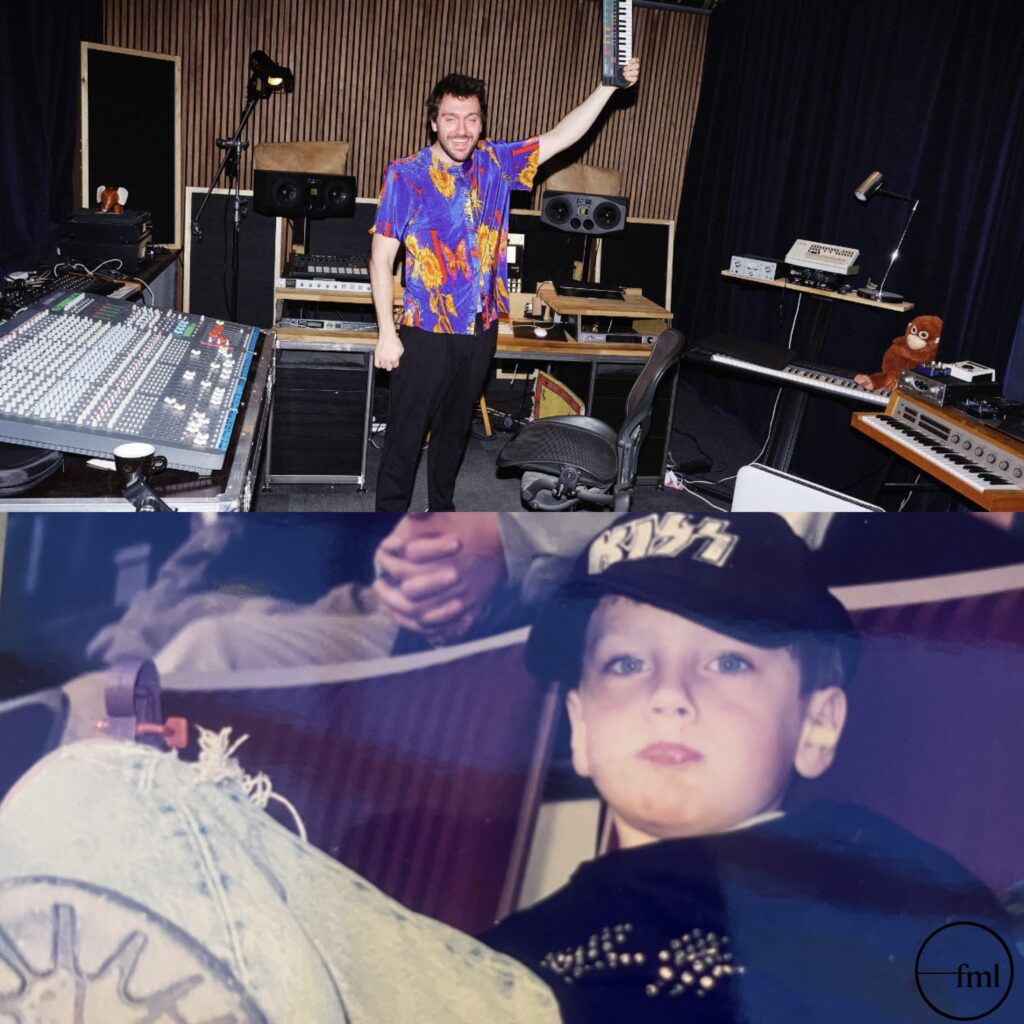
T: When I got my hands on a pirate copy of KISS – Destroyer on cassette. 1996.
FML: Has your relationship with music changed since you started this record?
T: A lot. I’m trying not to rush it. You play with tension, take your time, listen closely, build it, be gentle, feel it. Instead of overconsume it
FML: You move between techno, house, pop, and rock. Do you see genre as a tool, a limitation, or something to dissolve entirely?
T: When I start to define and intellectualize, the magic dies. I’m looking for the nerve in all kinds of music, from Bach to Aqua. No judgment.
FML: You’ve spoken about being in a “no-man’s land of the human psyche.” What did that space feel like emotionally?
T: The death of all joy, hope, and happiness.
FML: The album chronicles the transformation of pain into art. Was there a specific turning point where pain became productive rather than destructive?
T: My pain is born from love, the love of living, loving, and losing. I love too hard, and that’s my fuel for life.
FML: You frame the songs as companions you grew up with. What did it mean emotionally to finally release them?
T: It’s both scary and relieving. How will they manage without me? I have to let go and move forward.
FML: If Big Bang represents a return home, what does “home” mean to you now?
T: Stillness.
FML: The record moves from youthful immortality to adult mortality. Was that realization gradual, or did it arrive all at once?
T: Gradually. It landed in a sense of gratitude for just being here with both boots on the ground.
FML: How does euphoria coexist with existential weight on this album?
T: resilience-pop for the existential generation
There’s a sense of emotional recovery woven into the sound
FML: The album passed through five studios and 50 incarnations. When did you feel like the record truly felt like “this is Big Bang”?
T: When I got it back from mastering (By Gustav Brunn). It felt like being hit by a train. Then I thought, maybe someone else will feel what I feel. What an achievement.
FML: How do you know when a song has found its identity?
T: It’s in the mixing process. First you do 30 versions, then you polish and find the true core, National Geographic kind of shit.
FML: You mention overworking songs as part of your process. Guide us through that process.
T: First you take a drink, then the drink takes a drink, then the drink takes you. The obsession takes over. You have to know when to stop and see the bigger picture.
FML: How did working with Theo Ekblom influence the final shape of the record?
T: The combination of his talent, knowledge, and attention to detail. He’s a man of many talents, fishing, cooking, music etc. I’m just grateful I met him at the right time. His dedication and impact on the album were essential.
FML: Fifteen years is an incredible time frame to create an album, how has the test of time contributed to the sound and philosophy of the album?
T: “Over You” is 10 years old, and now, 10 years later, it appears on New Music Friday Worldwide on Spotify. I’m not trying to chase what’s hot at the moment.
FML: What was the greatest creative risk you took on Big Bang?
T: To involve Theo Ekblom.
FML: The title Big Bang suggests a beginning, but also an explosion. Is this album more about creation or destruction?
T: It’s about creation after destruction. A new beginning
FML: You connect the title to first love, first betrayal, first intoxication. Why are first experiences so central to your artistic philosophy?
T: There’s something magical in every beginning, like a red sky in the morning, when light beats darkness. There’s something religious about it. I’m trying to catch that calm and hold it through the day
FML: Do you believe we experience multiple “big bangs” in a lifetime?
T: Everyday if you look close enough
FML: In what ways is this debut actually an ending?
T: These songs reflect my life from age 15 to 30. I rarely want to repeat myself.
FML: Without describing the sound, what does Big Bang represent in one sentence?
T: Nudeness
FML: Now that you have released these companions into the world, what’s the next exciting path?
T: Performing Big Bang live. We are four gigs in, and we’re having so much fun, it gives the album a new dimension
FML: If your younger self heard Big Bang today, what do you think he would take away from it?
T: He would be proud
FML: What did patience teach you during these 15 years that urgency never could?
T: kindness
FML: Has finishing this album changed how you experience time?
T: Trust the universe
There’s a certain stillness that lingers after Big Bang ends, the kind that feels earned. Not silence, but clarity. After fifteen years of shaping, reshaping, and sitting with these songs, Theophilia doesn’t present a definitive statement as much as an open one. Something lived in, let go of, and now set in motion.
If this is a beginning, it arrives with the weight of everything that came before it. And if it is an ending, it closes with the quiet understanding that nothing ever really does.