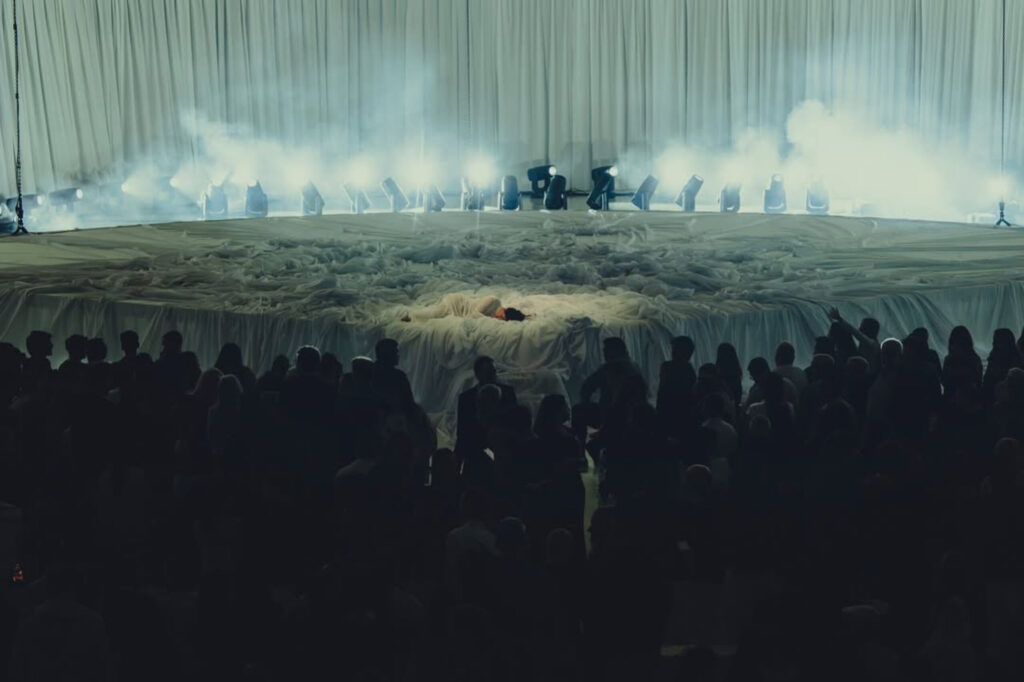
LUX by Rosalía
Rosalía’s “LUX” is not merely an album but a monumental act of creation, an audacious synthesis of centuries, languages, and sounds that feels less like a release and more like a revelation. It stretches the boundaries of what pop, classical, or even sacred music can hold. Each track is a vessel through which devotion, sensuality, and experimentation flow together until they become indistinguishable. The album resists easy categorization because it was never meant to fit within one. It is built to transcend.
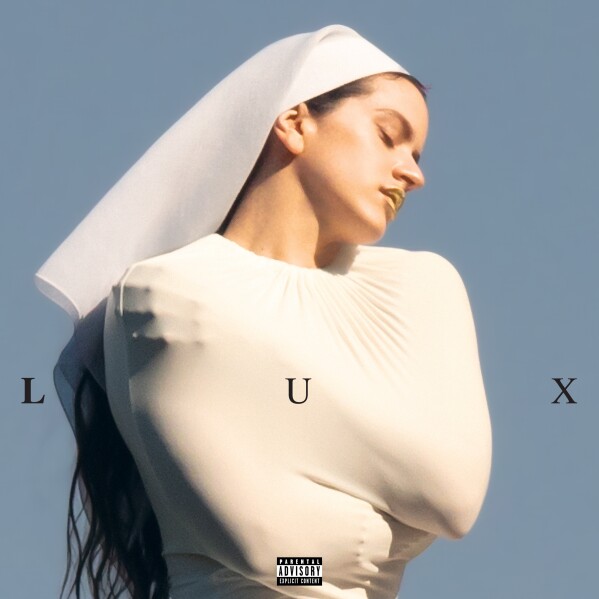
Released in November 2025, LUX marks Rosalía’s most ambitious project to date. She conceived it as a four-movement suite rather than a collection of songs, treating the record like a living symphony. Its title, Latin for “light,” signals both its concept and its tone: illumination, revelation, clarity after chaos. She has described it as the answer to an unfinished sentence left behind by MOTOMAMI, and indeed the album feels like a completion, an evolution from self-discovery to transcendence. Where her earlier work questioned identity, LUX seems to dissolve it completely, merging the personal with the divine.
Rosalía’s training in flamenco and classical composition at the Catalonia College of Music forms the spine of this record. Precision has always been her rebellion, and here that precision becomes transcendental. The production glows with orchestral depth: strings shimmer against synthetic basslines, Gregorian-style chants bleed into industrial beats, and fragments of choral prayer dissolve into whispered confession. The soundscape feels like a cathedral made of light, sacred yet carnal, disciplined yet fevered.
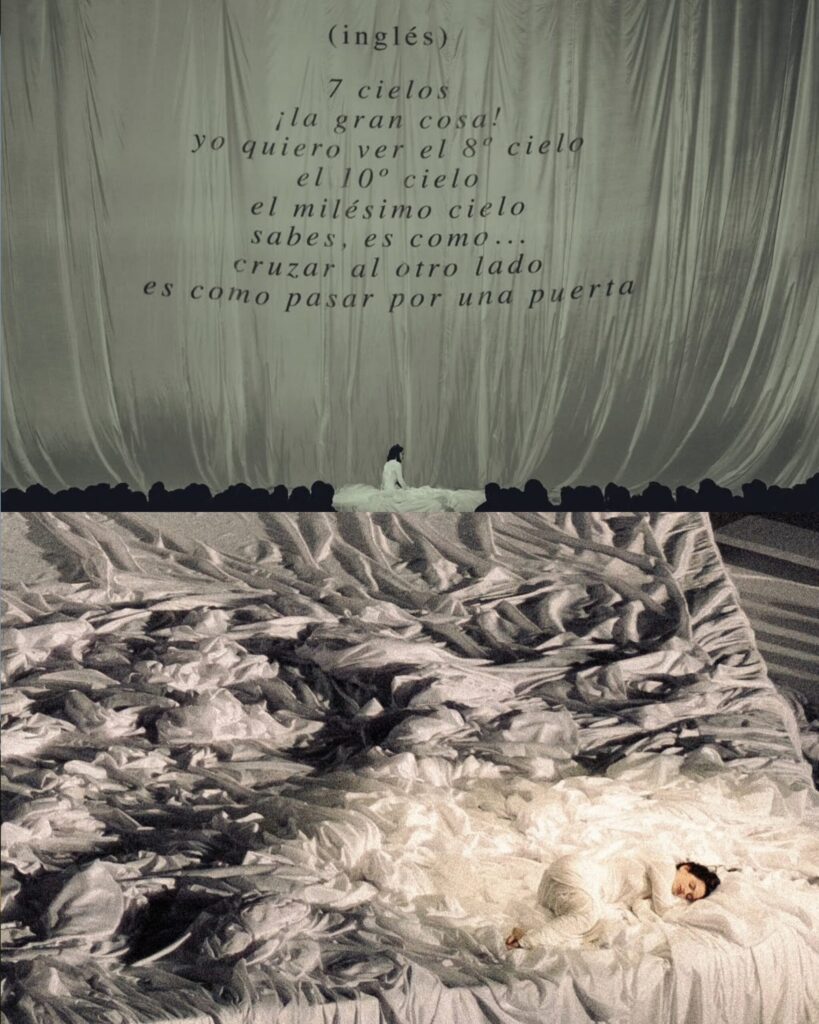
One of the most striking aspects of LUX is its linguistic scope. Rosalía sings in more than a dozen languages including Spanish, Catalan, Latin, Arabic, Japanese, Italian, German, French, and several others, treating each as a brushstroke rather than a boundary. Instead of showcasing linguistic mastery, she uses phonetics as texture, bending syllables into rhythm and emotion. The result is a sound that seems to speak in a universal tongue, not limited by translation.
The songs themselves form a kind of liturgy. “Berghain” sets the tone, a tri-lingual hymn of bass and body that merges Berlin’s mechanical heartbeat with operatic intensity. It’s a collision of the sacred and the sensual, with Rosalía’s voice spiraling through cathedral-like reverb as if both priestess and penitent. “De Madrugá” reimagines Andalusian ritual for the modern night, layering handclaps, ghostly vocal loops, and spectral strings until the song feels like a séance. “Divinize” surges toward exaltation, a declaration of self-deification underscored by orchestral thunder that rises and crashes like a storm. “Porcelana” is perhaps the record’s emotional core, a fragile yet furious composition that oscillates between waltz and breakbeat, grace and fracture.
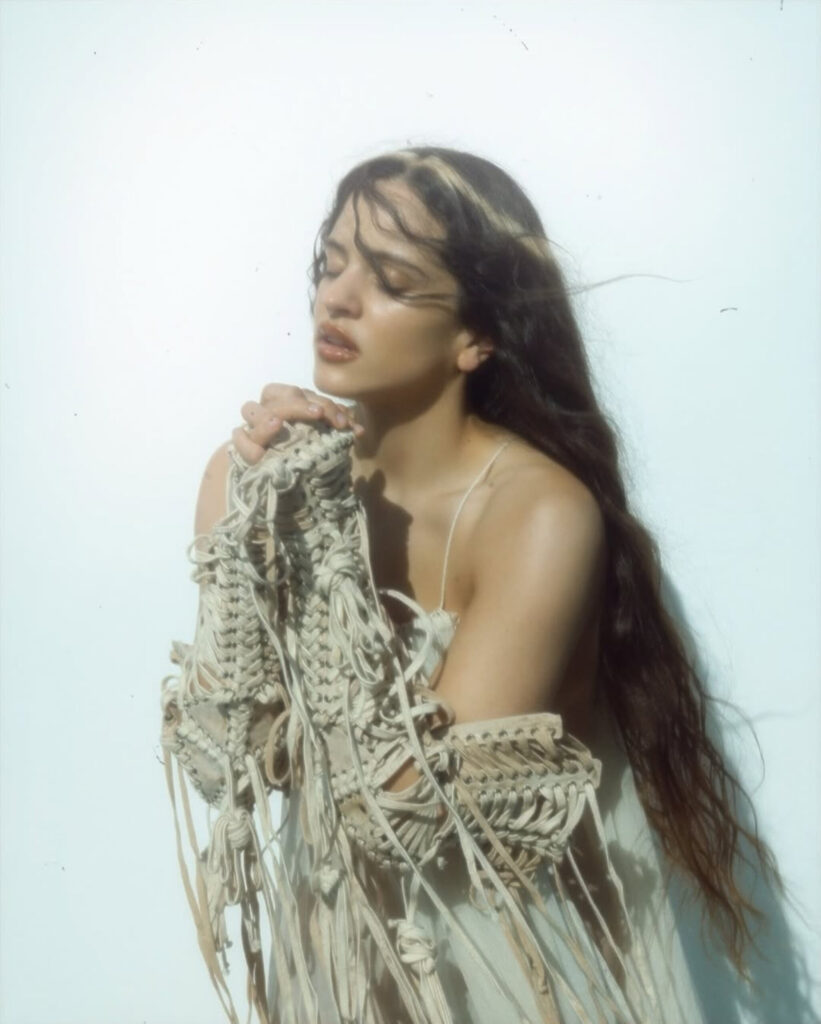
The collaborators gathered behind LUX amplify its world-building. Caroline Shaw and Daníel Bjarnason shape the orchestral arrangements with meticulous grace, while Yves Tumor and Björk lend their distinct sonic fingerprints, helping to blur the line between classical structure and avant-garde experimentation. The London Symphony Orchestra provides the album’s architectural backbone, turning every crescendo into a cinematic event. Each element feels curated to construct not just a sound but an atmosphere, a place that listeners enter rather than simply hear.
Thematically, LUX circles around transformation. It’s an album about becoming, about shedding the human skin in pursuit of the divine, about surrendering control to creation itself. Faith and desire are intertwined here; Rosalía invokes saints and mystics not as distant icons but as emotional ancestors. The divine is not abstract; it’s something embodied, vibrating within every note. The album’s emotional power lies in its refusal to separate the spiritual from the sensual. It suggests that holiness may reside in ecstasy, and ecstasy may be its own kind of prayer.
Listening to LUX is to witness a confrontation between tradition and invention. It challenges how we perceive music itself, whether we can still be moved to awe, whether the sacred has a place in the contemporary soundscape. In an era of algorithmic playlists and disposable singles, Rosalía demands full attention. She offers not a soundtrack for distraction but a total experience that unfolds with the patience of liturgy. The listener is invited to sit within it, to let it unfold like stained glass under shifting light.
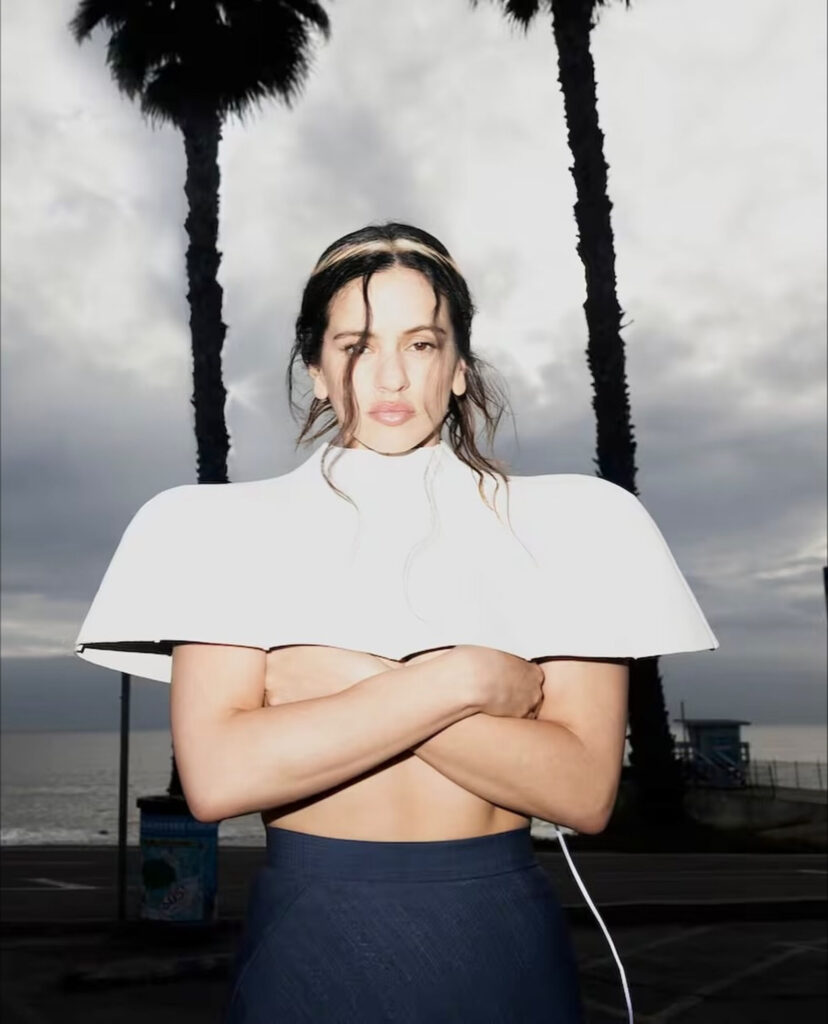
More than anything, LUX solidifies Rosalía as one of the defining artists of her generation, not because she follows trends, but because she redefines the architecture of sound. This record feels like the moment when she stops being a pop innovator and becomes something closer to a composer of modern ritual. It’s music that lives in the tension between control and chaos, devotion and doubt, flesh and spirit. It’s an offering, a reminder that when sound is born from faith, from discipline, and from the courage to destroy boundaries, it becomes eternal.