The ARTEUR: Dr. Stephanie Seungmin-Kim
“Art should speak to audiences, move them and perhaps challenge their perspectives.”
— Stephanie Seungmin Kim
Dr. Stephanie Seungmin Kim is an arteur in the fullest sense of the word. She is not simply a curator. She is an architect of conversations, a builder of bridges, and a creator of intellectual and emotional encounters. Ac
ross Europe, Asia, and the United States, her work has unfolded over more than two decades, shaped by exhibitions, films, and cultural interventions that explore the intersections of memory, philosophy, identity, and social justice.
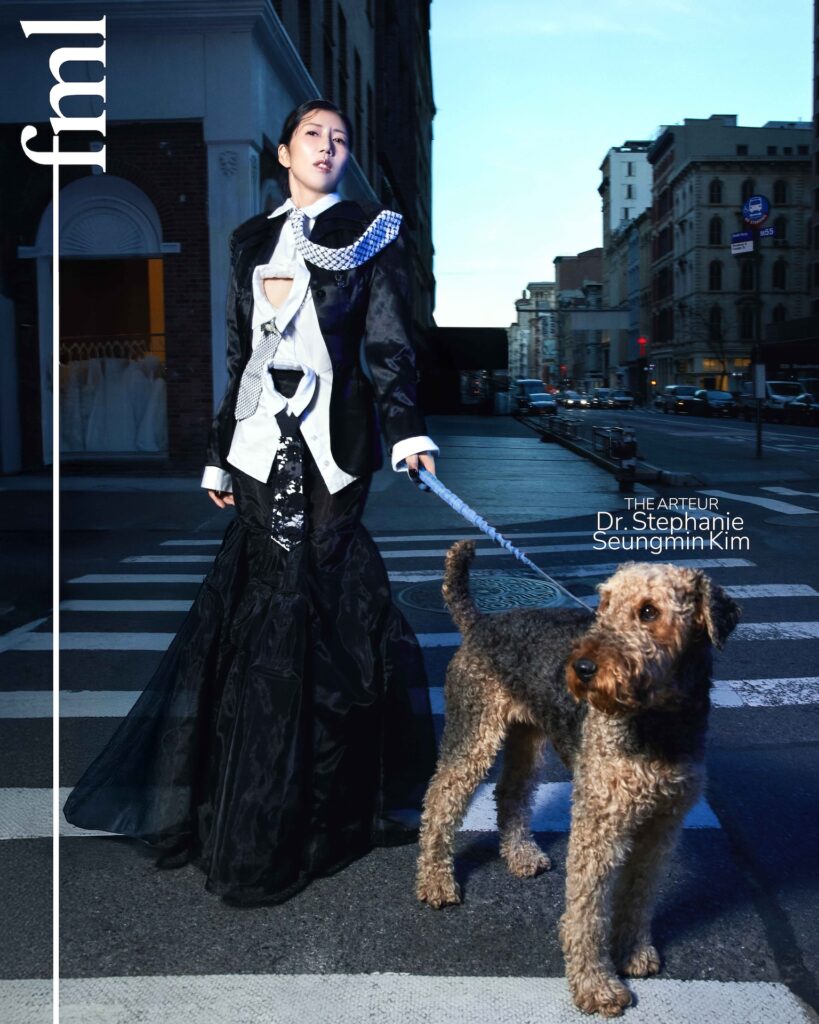
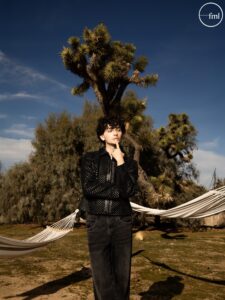
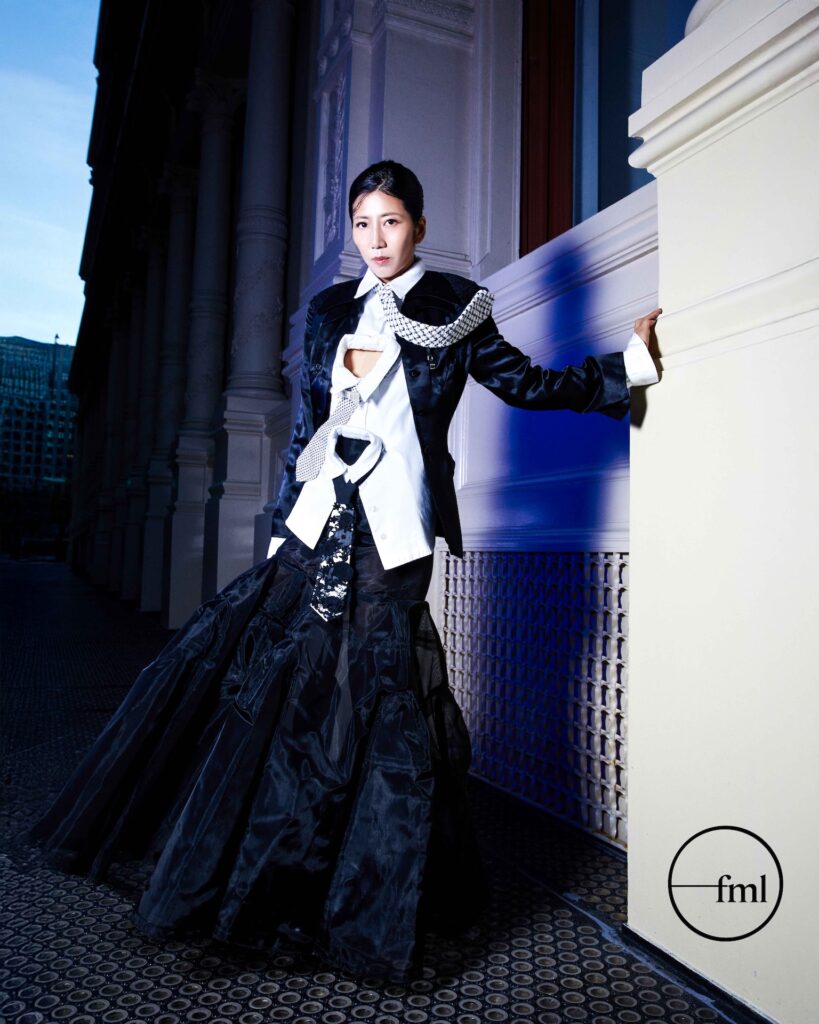
Shirt: Noah Pesante, Skirt: Zhe XUAN, Ties: Nandanie
Since 2004, Stephanie has led more than eighty major international exhibitions and produced two documentary films along with an original soundtrack album. Her work crosses medium and geography with ease. What remains constant is her commitment to stories that challenge assumptions, disrupt familiar narratives, and illuminate what is often overlooked or unseen.
Her early curatorial path revealed a fascination with the negotiation between heritage and innovation. In 2006, she curated Traditional yet Contemporary in London, bringing together sixty contemporary ceramic works that examined the tension between the old and the new. It was an early sign of the dialogue driven approach that would define her practice. She has always been drawn to reinterpretation, to reconsidering what tradition becomes when reframed in the contemporary moment.
As her career progressed, Stephanie turned her attention to themes of global urgency. In 2009, she curated Earth Alert in Seoul and London, among the first exhibitions in both cities to address the climate crisis. Supported by the British Embassy of Korea and the Korean Embassy in Britain, the show anticipated the environmental discussions that later became central to public discourse.
In 2013, A Soldier’s Tale explored memory and post war identity, reflecting her interest in the emotional and political textures of remembrance. Jikji, the Golden Seed in 2016 became a landmark project that drew forty thousand visitors over eight days, underscoring her ability to merge intellectual depth with wide public engagement.
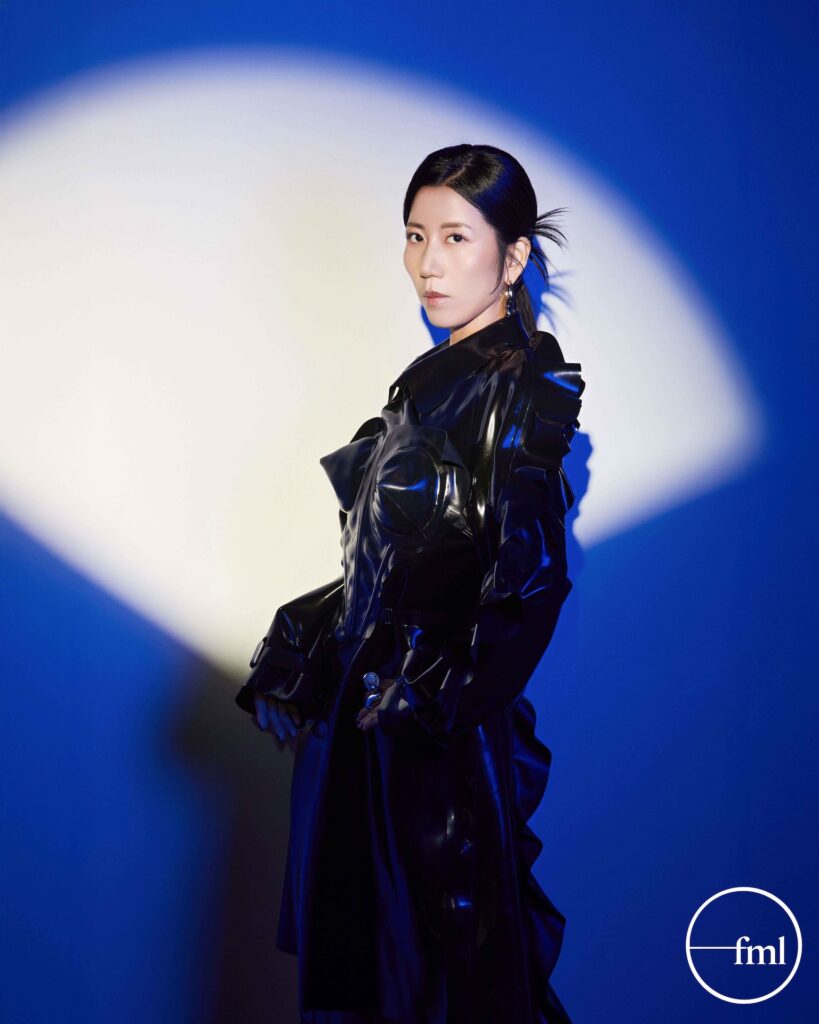
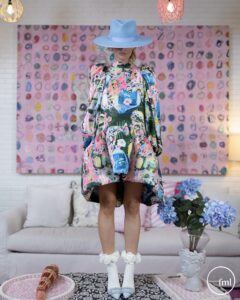
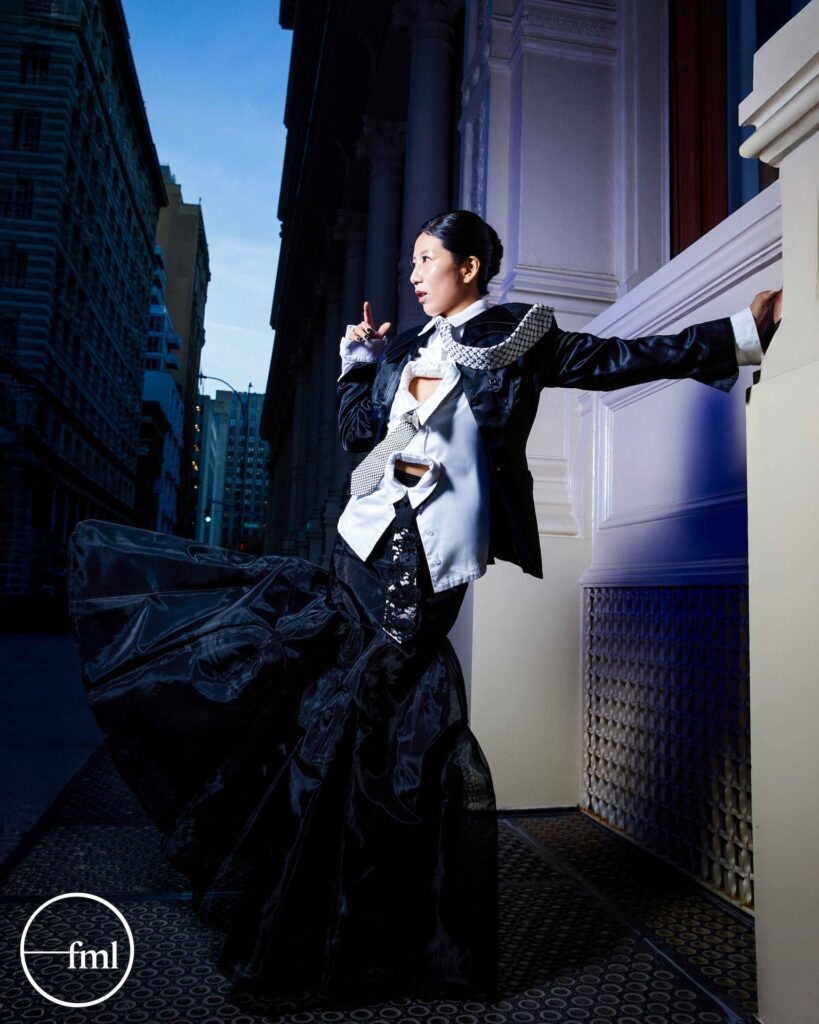
Look: TABLEAUX VIVANTS
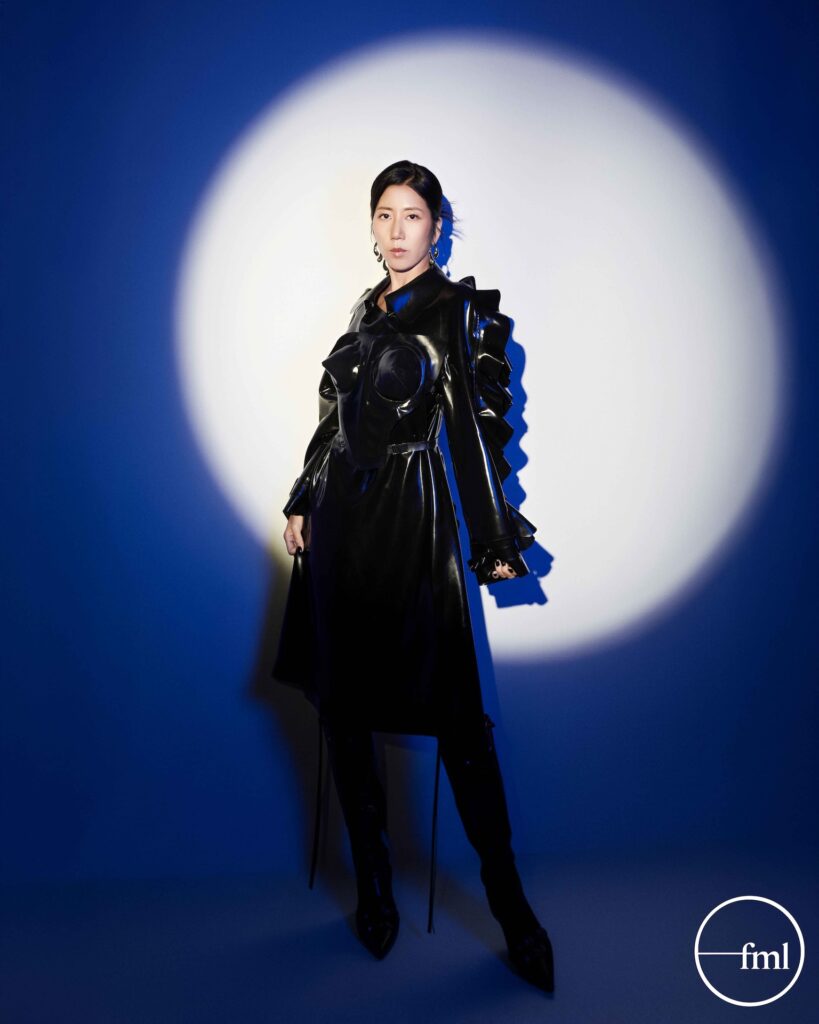
Her most recent New York project, UNSEEN in 2025, brought together fourteen artists to address resilience and the human rights of North Korean women. The exhibition garnered international attention for its ethical sensitivity and its insistence that art can participate meaningfully in human rights discourse. She is now preparing an exhibition for January 2026 at the Korean Cultural Center New York, a project rooted in the tradition of ink wash painting and centered on Eastern philosophical thought.
Throughout her global practice, Stephanie has curated exhibitions in Singapore, Ordos, London, Paris, Venice, New York, and Seoul. She moves fluidly across cultures while respecting each location’s distinct historical and social contexts. Her exhibitions never force a singular narrative. Instead, they invite multiplicity. They welcome collaboration among artists, scholars, performers, and communities. In her hands, an exhibition becomes a living ecosystem where meaning is created in real time by viewers, space, and dialogue.
Her scholarship underpins her curatorial sensibility. She holds a BA and MA in History of Art from University College London and a PhD from the Royal College of Art. Her research engages visual culture, philosophy, memory studies, and critical theory. These interdisciplinary influences shape her curatorial methodology. For Stephanie, an exhibition is never neutral. It is a proposition. A question. A site of inquiry that asks the viewer to participate rather than simply observe.
In a world marked by cultural fragmentation, rapid change and social tension, Stephanie’s work demonstrates the possibility of exhibitions as spaces of reflection, connection and care. Her practice insists that art is inseparable from the political, historical and emotional contexts in which it lives.
Her forthcoming 2026 exhibition in New York, entitled New York New Ink (January 10 – January 30), features Han Young Sup, Jeong Gwang Hee, Kang Un, Kay Yoon, Kim Sang Yeon, Koo Seong Youn, Lee Lee Nam and Sul Park. It is poised to continue this trajectory. By engaging ink painting tradition through contemporary philosophical and cultural questions, she extends her long standing interest in reframing tradition as a dynamic and transformative force.
FML had the pleasure of sitting down with Stephanie for a conversation that moved between continents, memories, philosophies and futures, revealing the mind of a curator who listens as deeply as she creates.
FML: Your career has taken you across Europe, Asia and the United States. How have these different environments shaped the way you think about curating?
SSK: I am a daughter of Korea even though I have lived and worked in many Asian countries and the majority of my life has been in Europe and now New York. Art speaks many languages and transcends borders. That is one of the incredible things about being human, we all are unique and yet share the need to connect. My roots inform who I am, my experience what I know and my life who I want to be. I have to be sensitive to the myriad influences and how they impact purpose and direction. At the same time, this perspective is one of my greatest and most unique strengths. Particularly now, in New York, where bringing a different or new point of view is appreciated and even celebrated.
FML: Many of your projects engage with memory, history and social issues. What inspires you to explore these kinds of themes?
SSK: I believe we are all concerned with the relationship between memory, history and social issues. Art can be a formidable tool when it comes to tapping into the things people, societies, countries and humans fear or repress or hide. Sometimes art makes for great therapy. Other times the discovery of something hidden or new. For me, my favorite part of the exploration of what has been suppressed is filling in gaps in history, understanding and truth. Very few people are looking at the canon of human understanding through these lenses.
FML: You have produced films and even an original soundtrack in addition to curating. How do these different mediums influence the way you design an exhibition?
SSK: There are many traditional approaches to art history, curation and exhibition, and there are also limits to these approaches. Film has opened up new pathways to understanding while simultaneously introducing viewers to ideas they otherwise may have found inaccessible. You are a good example of using a camera to look beyond the surface and reveal new sides of people. That makes for a great story.
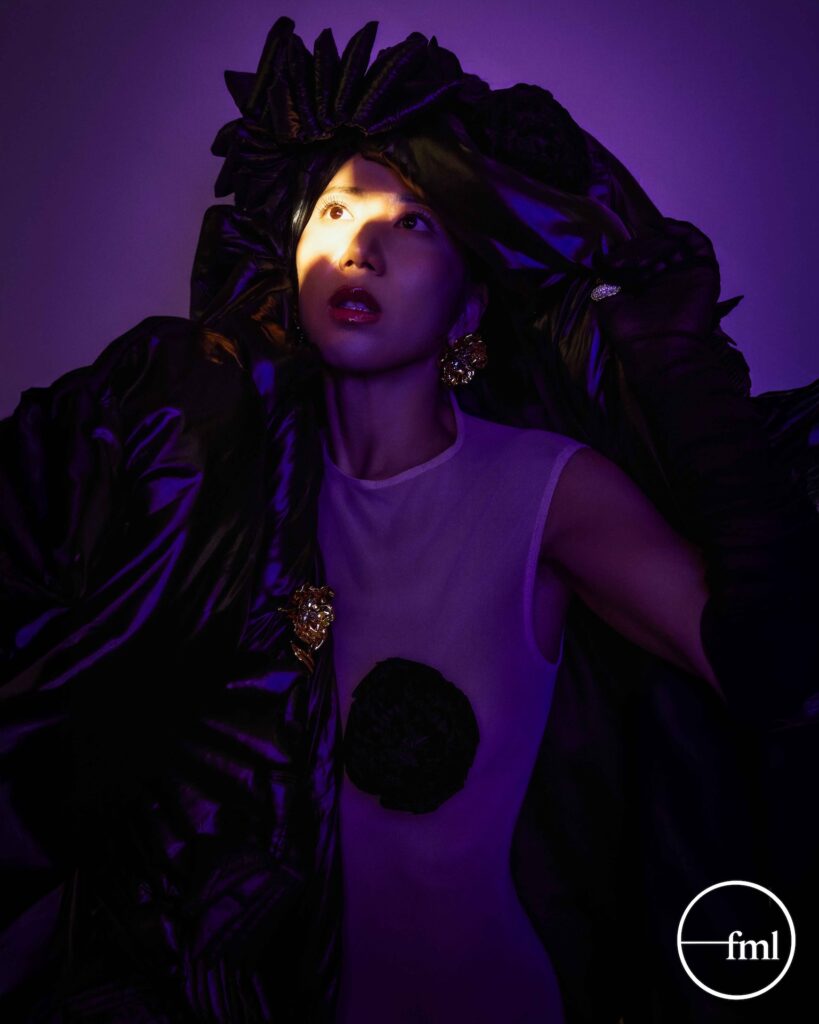
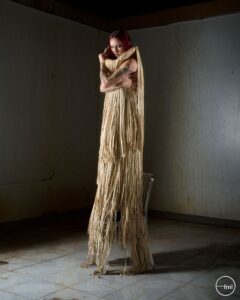
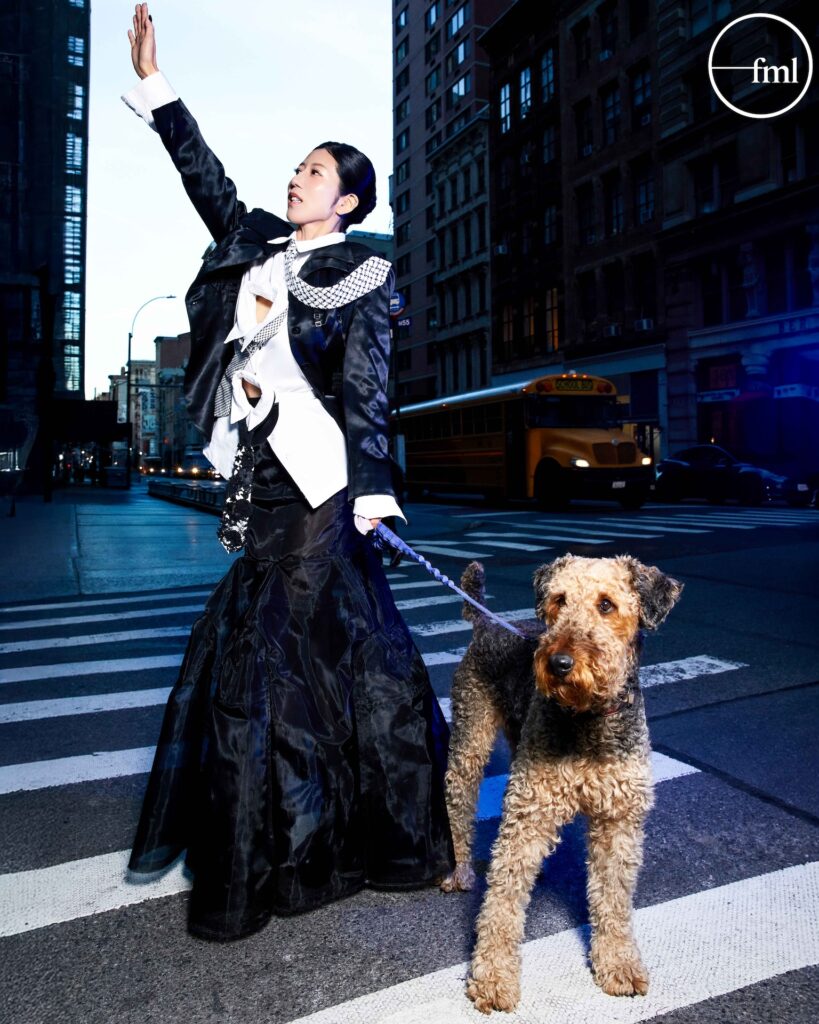
Look: Moon Chang
Jewelry: Alexis Bittar
FML: Fashion, music and visual art often intersect in your work. How do you see these creative worlds speaking to one another?
SSK: Fashion, music and visual arts are all ways to communicate, just as with the written and spoken word. Only people are wired to see. Images are powerful. They carry thoughts, hopes, dreams, emotions. I find great artists understand which medium is right for what they want to say. And increasingly, artists are working across discipline to meet the dynamics involved with contemporary viewing sensibilities.
FML: You have curated exhibitions on subjects ranging from climate change to post war identity to the transformation of fashion production districts. Is there a project that felt especially meaningful or challenging for you?
SSK: Every exhibition I have developed has been meaningful to me, particularly the challenging ones. I also think the most recent is always what stays in my mind until the next one. Last fall I opened UNSEEN in New York and it was one of the most complex exhibitions I have attempted. Focused on North Korean women, featuring escapee testimonials, sixteen international artists, high profile sponsors including major NGOs and many political, economic and social leaders. There were moments I questioned whether I could pull it off, but given the relevance and the need for this kind of exhibition, I pushed hard. It was worth it, and a huge success.
FML: Jikji, the Golden Seed drew an extraordinary forty thousand visitors in eight days. What made that exhibition resonate so widely?
SSK: The inaugural Jikji Korea festival and its key exhibition Jikji, the Golden Seed was innovative because it reinterpreted the value of Jikji, the world’s oldest extant book printed with movable metal type, as a contemporary cultural festival. Rather than presenting a conventional exhibition, it included forty artists, architects, designers and VR in enormous spaces indoors and outdoors. We also had cultural artifacts from across the culture, including the original Gutenberg printer from the Gutenberg museum. We were celebrating international exchanges, making the subject accessible and engaging for a broad public. Reinterpreting Jikji through contemporary technology and artistic practice offered a new cultural vision that underscored Korea’s legacy as a leader in documentary and printing culture.
FML: Your recent exhibition UNSEEN in New York addressed the resilience and human rights of North Korean women. How did you approach curating a project with such emotional depth?
SSK: UNSEEN was ambitious from the start. As a South Korean, there are significant sensitivities around North Korea. In the US, many marginalized groups including women are seeing their rights threatened. I knew people would have strong feelings. I did not want the exhibition to be about politics but about the visceral human stories of North Korean women, especially escapees. I spent significant time researching, speaking with escapees, documenting their journeys and reading government and academic literature. I was moved by Barbara Demick’s Nothing to Envy and invited her to speak at the opening. Once I gathered enough data, I began working on the balance between testimonial storytelling and artistic expression. Transforming the TriBeCa gallery space into something immersive was no easy task, but five thousand visitors came that week and the average time spent in the gallery was far higher than typical New York shows.
FML: You are preparing an exhibition on ink wash painting rooted in Eastern philosophy. What feels important as you bring this tradition into a contemporary setting?
SSK: I wrote in the exhibition prologue that before we discuss what new ink wash painting might mean, we must acknowledge how complex and multilayered the tradition is. Translating ideas from entirely different epistemologies into English reveals conceptual limits and cultural mismatches. Yet we must try. Through these eight artists, I hope audiences uncover layers and nuances within this tradition. I would love for viewers to see and experience the works in situ.
FML: Your work often balances scholarship with emotional and sensory experience. How do you find harmony between the academic and the intuitive?
SSK: Art should speak to audiences, move them and perhaps challenge their perspectives. Sometimes that requires academic rigor, other times something entirely different. I do not see art and academia as incompatible and I do not rely on either alone. My aesthetic is focused on each exhibition, its purpose, context, artists, environment and countless other factors. If there is consistency in my work, it is in finding alignment and bringing it to life in a way that surprises everyone, including me.
FML: You frequently collaborate with artists, institutions and partners across disciplines. What do you value most in a creative collaboration?
SSK: Truth, respect, fun. Collaboration cannot exist without truth. Too many people say what they think others want to hear instead of what they need to hear. Respect is essential because if I do not respect someone’s work or philosophy, conflict is inevitable. And fun should speak for itself. People have been told no joking, no play, no distractions. I say yes to fun.
FML: You have explored the disappearance of fashion production neighborhoods through your curatorial work. What can fashion reveal about the cultural life of a city?
SSK: The exhibition focused on Changsin dong, a small scale garment producing district that fuels the speed of Dongdaemun’s fast fashion economy. As a UK Korea collaborative project for the Seoul Biennale of Architecture and Urbanism, we examined how to modernize production, improve work environments and imagine more sustainable manufacturing ecosystems. We also reflected on London and other cities that once had production within the city itself. Through architects, urban researchers, fashion designers and video artists, the exhibition examined human labor, urban organization and international collaboration. Fashion reveals how a city is supported by invisible labor and how its creativity is collective and interdependent.
FML: How do you view fashion as a form of personal or cultural expression within your interest in visual culture?
SSK: Everybody wants to be seen, truly seen. Fashion helps tell your story. How you show up matters and you do not need luxury labels to look good. It takes effort to make Chanel look young and cool. When I was a little girl I wrote in my journal, when I grow up, I want to travel the world wearing amazing dresses. I rediscovered that journal when I was in Korea opening UNESCO’s World Heritage Museum and thought, see, dreams can come true.
FML: Has your experience with ARTCODED influenced how you think about digital aesthetics or the role of technology in contemporary curation?
SSK: Working with ARTCODED on the Glamour Bulgaria cover was eye opening because it allowed me to merge artistic intuition, technological experimentation and the visual language of fashion. What stood out was how fluid the collaboration became once we stopped treating technology as a tool and started using it as a creative partner. We explored textures and atmospheres that would be impossible through traditional methods. Even though AI helped create the imagery, the emotional and narrative choices were human. That is the future of fashion imagery, not replacing creativity but expanding its boundaries.
FML: Looking back across your career, what threads or questions feel consistent from your earliest exhibitions to the ones you are developing now?
SSK: The curator is typically the unseen director who brings everything together and is responsible for delivering something larger than the sum of its parts. Great exhibitions transcend individual works to reach people on a deeper level. That is my job and I make sure it is done well every time.
FML: What ideas or themes are inspiring you as you look toward upcoming projects?
SSK: I have been thinking about how deeply we are all connected in ways we are not consciously aware of. Do you ever think of someone and then they call? That happens to me often. I want to explore those transcendent connections, combined with genealogy and history. People are afraid of looking beyond hard sciences, but I have found that fear often indicates something incredible waiting to be discovered.
FML: What guidance would you offer to young curators hoping to build thoughtful and socially engaged practices?
SSK: Love what you do, not what people think of it. Curators do not typically become rich or famous, but they bring ideas and stories to people in ways that matter and create change. That does not always sustain you on difficult days. Build your network because the people you are installing with overnight today may become your most celebrated artists tomorrow.
In speaking with Stephanie, one is reminded that curation is not simply the act of arranging works but the craft of shaping consciousness. Her exhibitions ask us to reconsider what we think we know and to listen for what history has not yet said. She curates with a rare combination of intellect and intuition, creating spaces that feel both immediate and timeless. In her vision, art becomes not only a mirror but a threshold, inviting us into deeper ways of seeing, remembering and imagining what the world might yet become.
Stephanie’s #FMLFaves
Favorite song: right now is hard to choose, I have been listening to many… but It would have to be BANG BANG by PAWSA
Favorite movie: for a while it has been Grand Bleu, English Patient and Betty Blue
Favorite dish: Always soft tofu soup.
Must haves this season: Must have this season I think would have to be white shirts
What is in your bag?
In my bag today, because I am installing, I have one Mac, one iPad, a measuring tape and many pens.
EIC:
Gina Kim-Park ( @ginakpark )
Photography & Creative Direction:
Reinhardt Kenneth ( @reinhardtkenneth )
Muse:
Dr. Stephanie Seungmin Kim ( @dr_stephanie_kim )
Production Manager:
Min Lee ( @lee.a.min )
Fashion Stylist:
Anica Buckson ( @xx_anaka_xx )
Artists with Agency
Lead HMUA:
Jane Cho ( @janeeverwell.official )
Assistant Director / HMUA Artist
Sarah Higgins
Senior Artist (HMUA)
Jessica Paik
Lighting Director:
Briton David ( @briton.jpg )
Gaffer:
Luis Lopez ( @luisisnotthatstupid )
Digitech:
Deki Namgyal ( @itsdekibaby )
BTS:
Danny Lairon ( @dannydidthat_ )
Fashion Assistants:
Paige Marinelli ( @paigemarinelli )
Earvin Silva ( @earvinsilva )
Retoucher:
Valeria Mediana ( @mediana.retouch )
#FMLMagazine