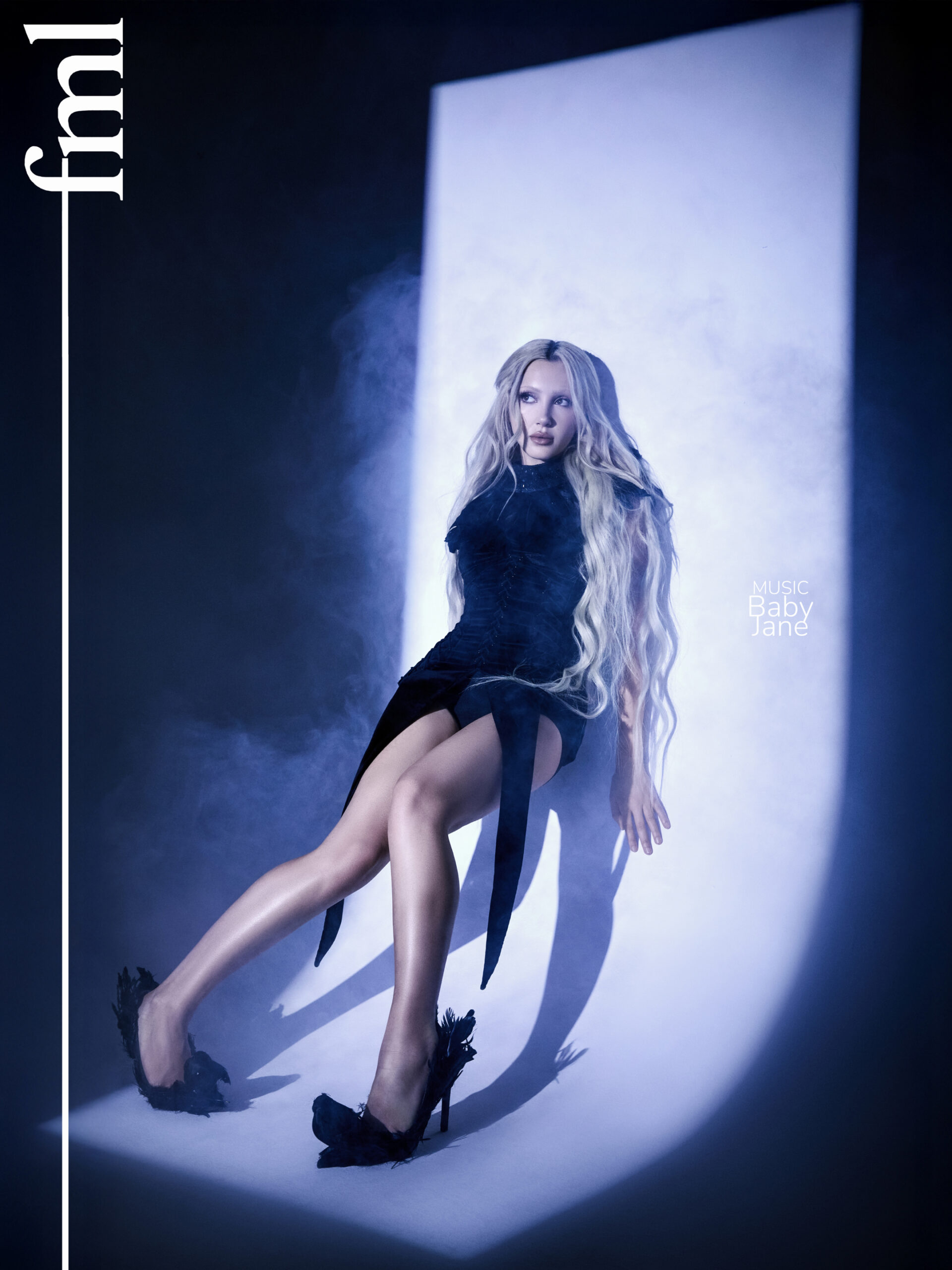
Baby Jane: The Gospel of a Gothic Angel
Inside the gothic universe of Baby Jane, where Eastern European nostalgia, underground rave culture, and a mythology of her own making converge.
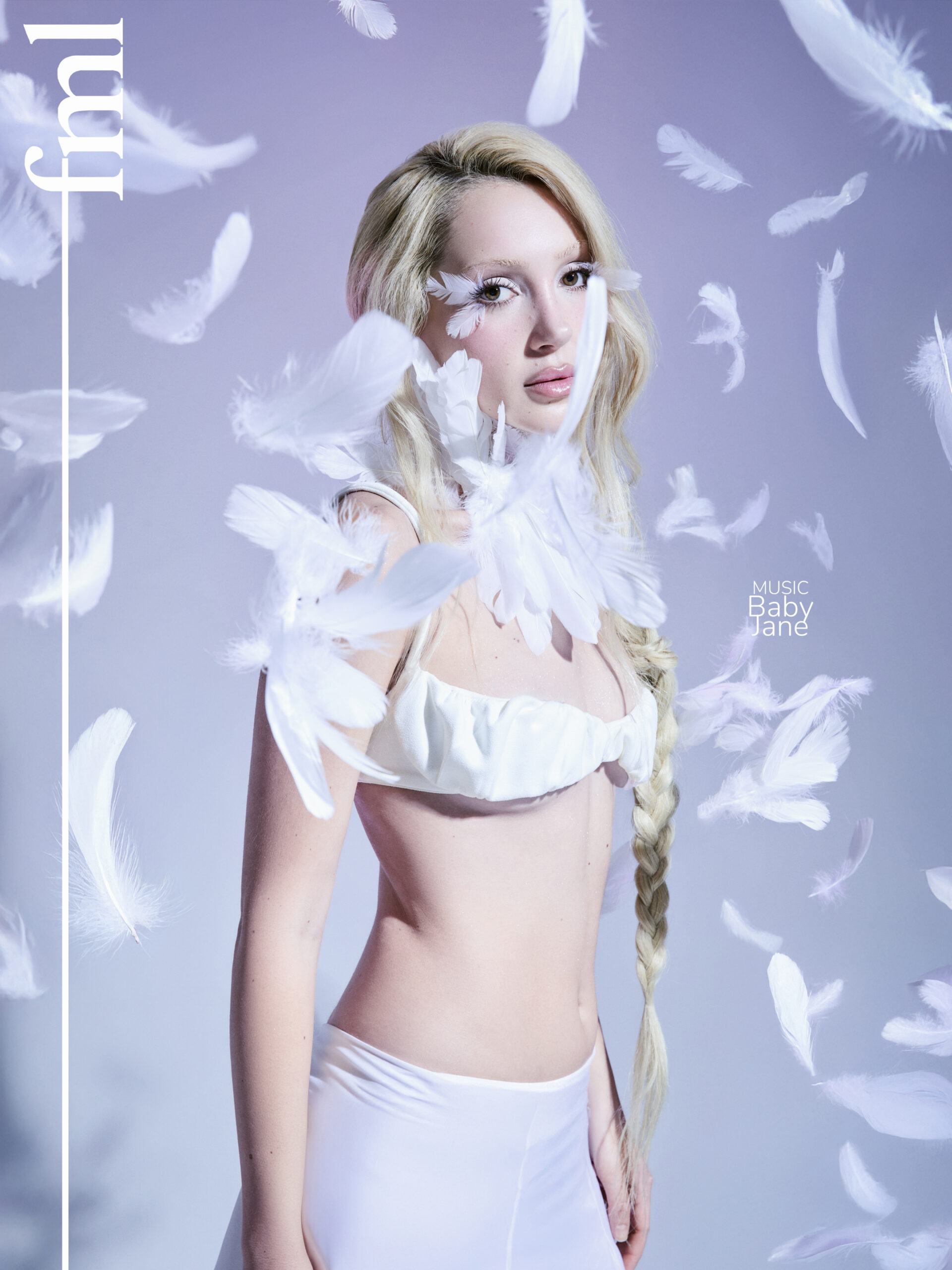
As October draws to a close, few artists embody the season’s darker romanticism quite like Baby Jane. Somewhere between a gothic fairytale, an underground warehouse rave, and a fever dream exists the world of the Los Angeles-based electronic artist. Blending witch house, hardstyle, techno, and ethereal pop, she has cultivated a distinctive sound where distorted production meets haunting vocals and an unmistakable sense of melancholy. Dark, cinematic, and occasionally euphoric, her music is as much about atmosphere as it is about emotion.
Born in Oakland to Soviet immigrants, Baby Jane grew up listening to the melancholic pop music of 1980s Russia, an influence that continues to inform her work. At 14, she left high school to pursue songwriting, later studying music production to further develop her craft. Despite her early musical ambitions, singing remained deeply personal. Growing up with a pronounced lisp, she kept her voice private for years before gradually developing the delicate, emotionally charged vocal style that has become one of her signatures. Her heritage remains equally present in her songwriting, occasionally incorporating Russian verses so her grandparents could understand her music.
Her artistic identity took shape following a period of uncertainty. After nearly abandoning music, Baby Jane returned to songwriting during the pandemic before immersing herself in Los Angeles’ underground techno scene as a DJ. The experience helped define what she calls her gothic house sound, a marriage of dark electronic production, cinematic storytelling, and the emotional intimacy of alternative pop.
In June 2025, she released her debut full-length album, A Grave Marked Strange, a 16-track exploration of gothic romance, mortality, and the supernatural. Singles including “Cemetery Date,” “Reincarnate,” “Psychotrance,” and “Eternal Embrace” introduced a musical universe that felt simultaneously macabre and deeply romantic. Her accompanying visual language was equally distinctive, drawing on gothic folklore, surrealist horror, and recurring imagery of white dresses, desolate landscapes, and occult symbolism. Beneath the theatricality, however, remained an exploration of familiar human emotions: longing, vulnerability, devotion, and the desire to belong.
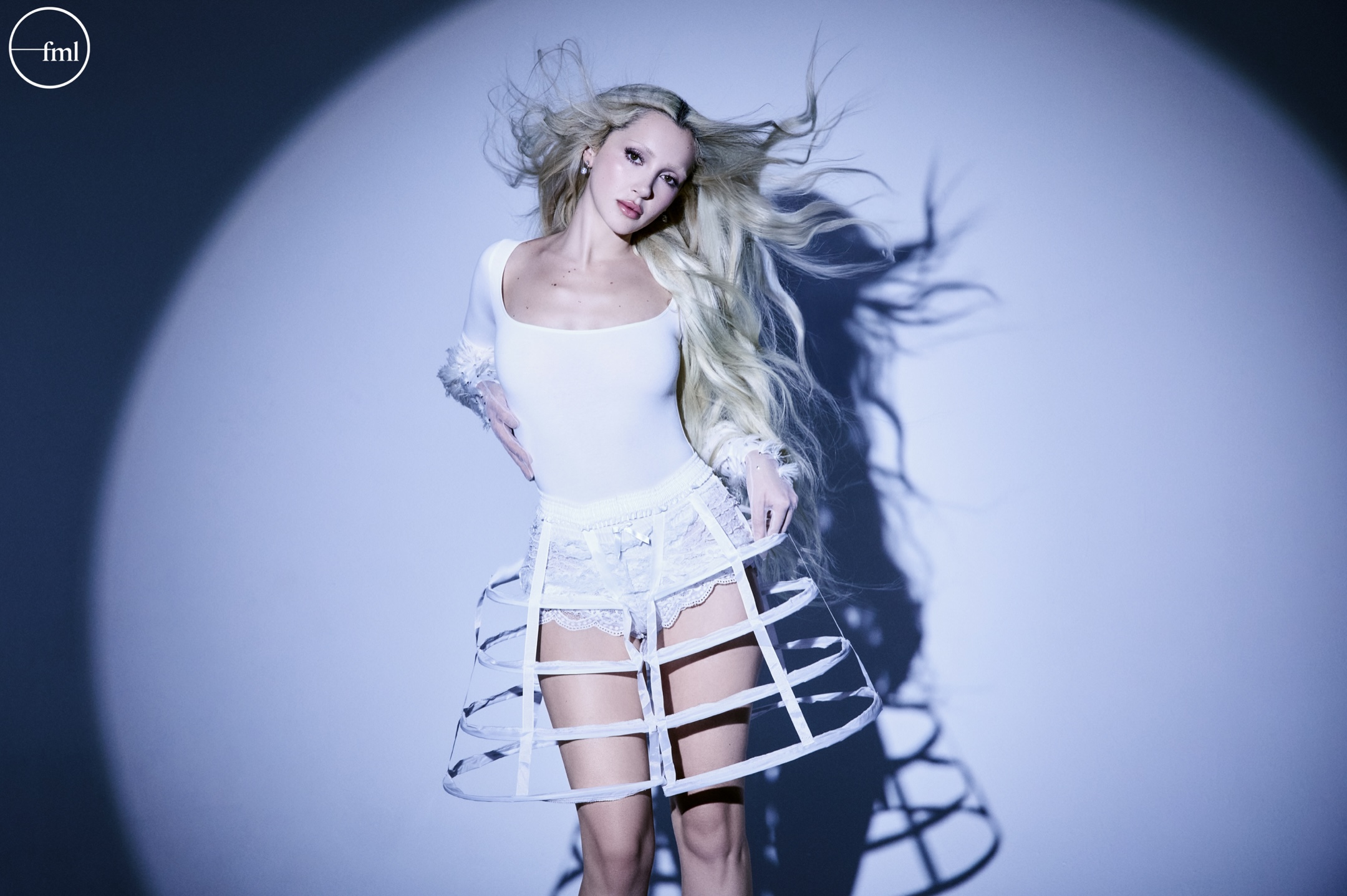
SHORTS:
@shop_redemption
@division.pr.la
EARRINGS:
@astridoagnes
@maisonpriveepr_la
Perhaps the most fascinating extension of Baby Jane’s artistry is Terem, a mythology of her own creation built around three archetypes: The Cowboy, The Warrior, and The Goddess. Representing freedom, purpose, and connection respectively, these figures inform her music, imagery, and the community surrounding it. Fans discover their archetype through an online quiz, becoming part of The Coven, her devoted following. Some have even tattooed the Terem symbol onto their bodies. What began as an artistic concept has evolved into an immersive world, offering listeners a sense of identity beyond the music itself.
With more than a million monthly listeners and an increasingly international audience, Baby Jane’s independent career has reached well beyond the underground scene that helped shape her. Her performances, including a defining set at HÖR Berlin, have further established her distinctive approach to electronic music, combining the precision of DJing with live vocals and a cinematic sensibility. Yet she remains committed to developing her music, mythology, and visual identity on her own terms.
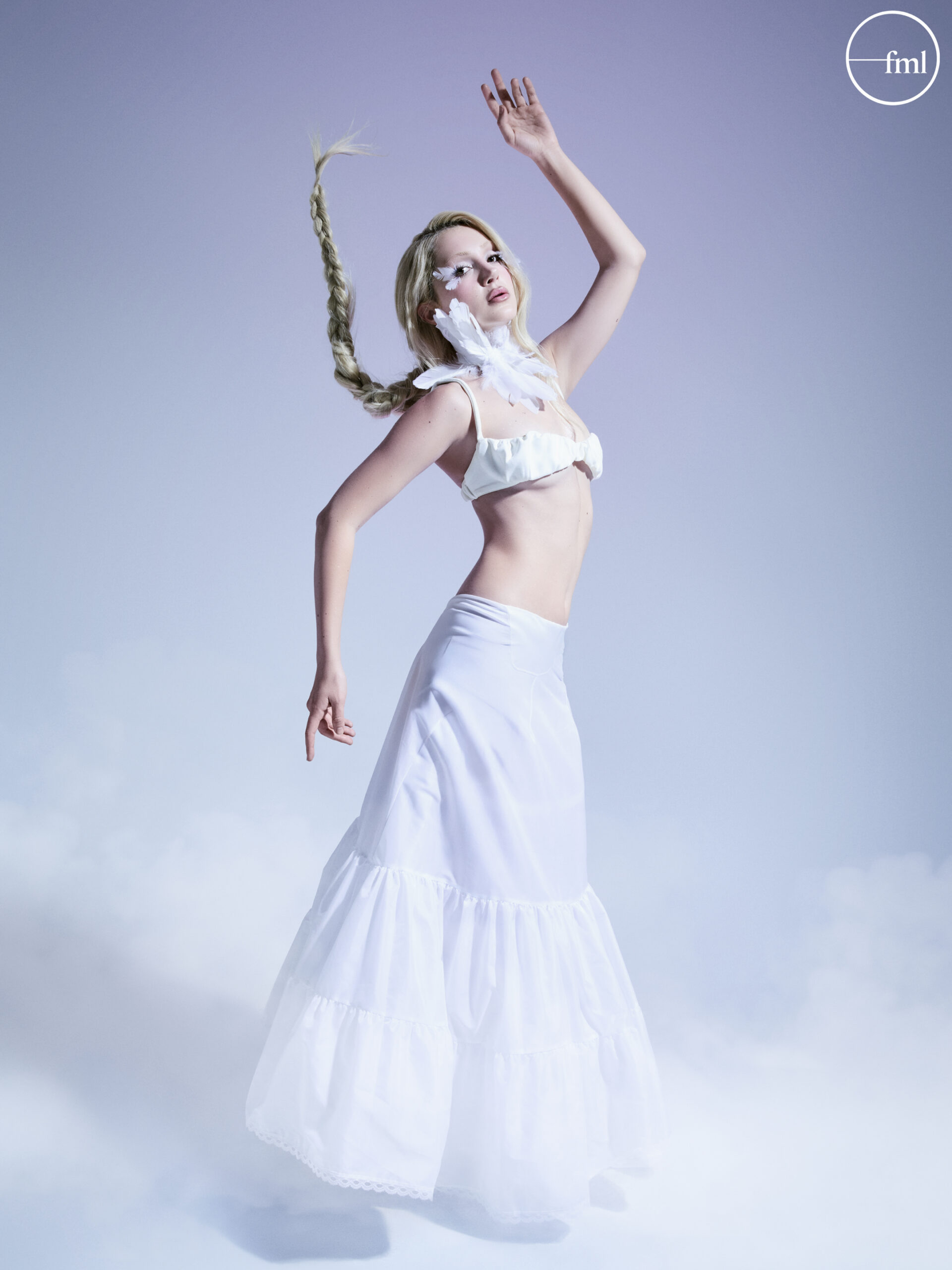
LOOK
@easteam_official
@division.pr.la
That evolution continued with her sophomore album, Winter Forever, released in July 2026. Moving beyond the gothic romance of her debut, the project explores solitude, escapism, and personal liberation through atmospheric synthesizers, hard-hitting electronic production, and her signature ethereal vocals. What began as a meditation on loneliness became an exploration of freedom, reflecting the Cowboy archetype within Terem. Her collaboration with akiaura on “Motorbike,” following their earlier work on “Deathwish” with LONOWN, further demonstrated her versatility, embracing a more euphoric, trance-influenced direction without abandoning the melancholy at the heart of her sound.
For Baby Jane, the distinction between fantasy and reality is deliberately fluid. Her music may inhabit a world of supernatural mythology, gothic romance, and imagined identities, but its emotional foundations remain profoundly human. As electronic music continues to evolve beyond conventional genres, she belongs to a generation of independent artists for whom sound, image, and storytelling are inseparable. Already developing her next project, Baby Jane continues to explore new dimensions of an artistic identity that refuses to remain static.
For our October music cover, FML sat down with Baby Jane to explore the origins of her gothic universe, the evolution of her sound, and the personal philosophies behind Terem. From her earliest musical influences to the creative freedom she has found in darkness, we step inside the mind of an artist who has made the extraordinary entirely her own.
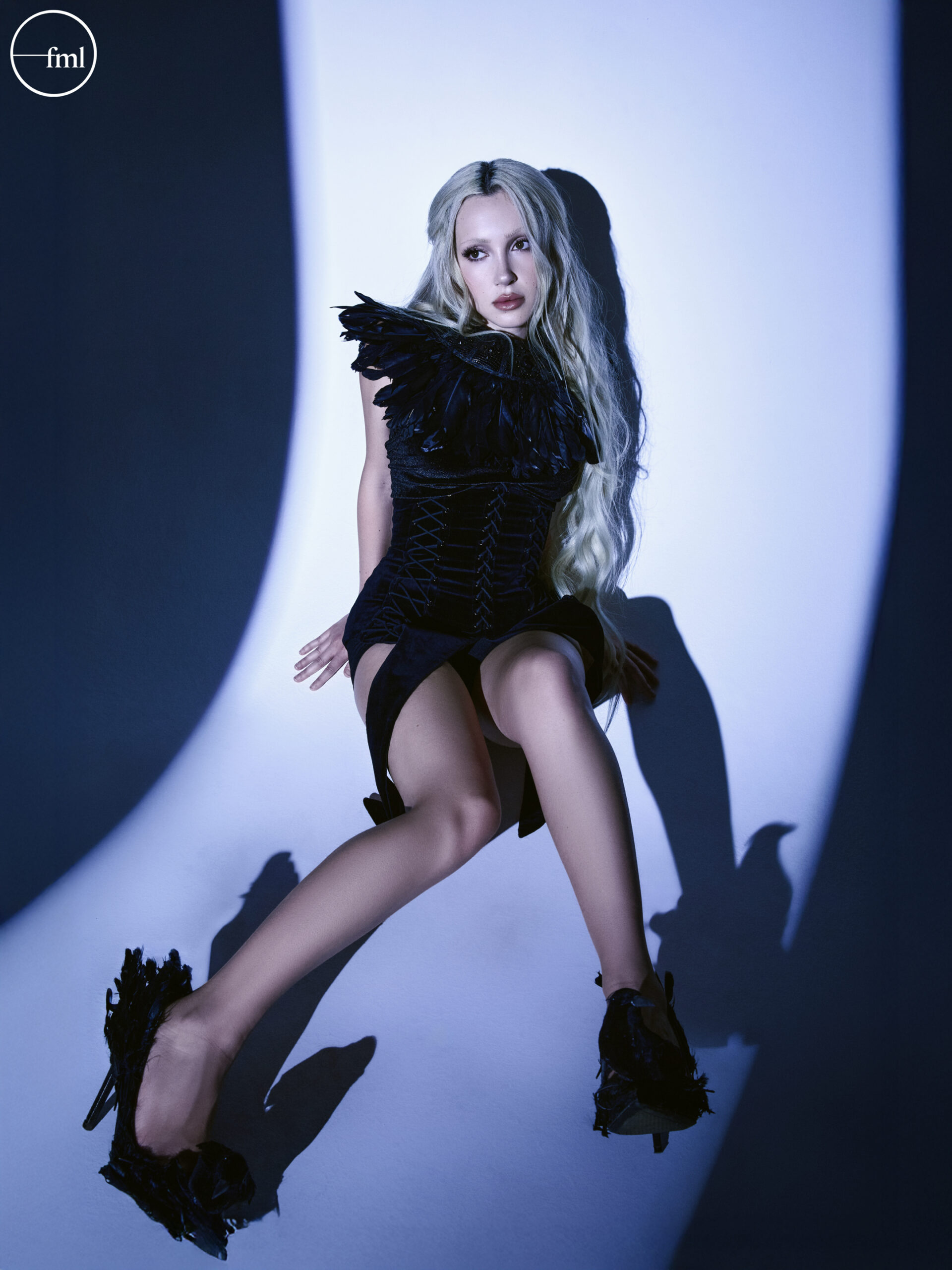
NECKPIECE:
@thearchshow
CORSET:
@boylondonamerica
BOLERO:
@elisabettarogiani
@pr_solo
SHOES:
@propety_of_no1
FML: “Motorbike” has this feeling of movement, freedom, and driving through a city alone at night. What does that kind of solitude give you creatively?
BJ: Being alone gives you a chance to sit with your uncomfortable feelings. Creativity is like breathing. Life experiences flow in and art comes out. The song is really about a person that makes you feel present and alive.
FML: You’ve said akiaura took the original “Motorbike” demo somewhere you didn’t expect. What did you hear in his version that made you want to follow that new direction rather than pull it back toward your original idea?
BJ: I liked that it was very different from my original idea which was pop leaning. He really loves trance music, so I trusted his vision with this.
FML: This is your second collaboration with akiaura after “Deathwish.” What have you learned about each other creatively since making that first record together?
BJ: We are both evolving as artists. Our current inspirations are different than they used to be. I’ve learned that you shouldn’t ever try to recreate the past and surrender to new ideas, keep moving forward.
FML: You reference Kaskade and Deadmau5 as inspirations for the feeling behind “Motorbike.” What is it about that era of electronic music that still feels so powerful to you?
BJ: Those artists are timeless cornerstones of electronic music. In my experience, all the producers I’ve worked with count them as an influence. Personally, I didn’t grow up as an EDM head, I was more into rock and alt, but over time I’ve come to really appreciate those classics.
FML: Your music moves through hardstyle, witch house, trance, synthwave, hard bounce, and angelcore without feeling particularly interested in staying inside one genre. Do you think genre still matters to your generation of electronic artists?
BJ: My generation is creating their own genres by blending unlikely combinations of other genres. What matters to me is doing something that isn’t a direct replica of the past and evolving. The way we consume electronic music is different now, especially with the internet. EDM used to be a public experience, and now it doubles as a private one. I aim to share vulnerability in that framework.
FML: Angelcore has become increasingly associated with this internet-born, ethereal but darker electronic world. What does angelcore mean to you personally, and where do you see yourself within it?
BJ: Firstly, Lonown and Akiaura are the pioneers of the genre. Most producers in Eastern Europe would agree so their credit is due. Among other talented vocalists, I think I am one of the main female voices pushing the genre forward especially in the US. Angelcore will evolve as it already has quite a bit. The future is greater than the past for angelcore. We aren’t sure what it will look like, but I intend to be part of it.
FML: Winter Forever began as an album about loneliness but evolved into something you describe as being about escape and personal freedom. What changed in your life or creative process while you were making it?
BJ: I learned to enjoy my own company. Also, the process of making music became more fulfilling than ever before. I think that is reflected in the record. I have much more to give as an artist.
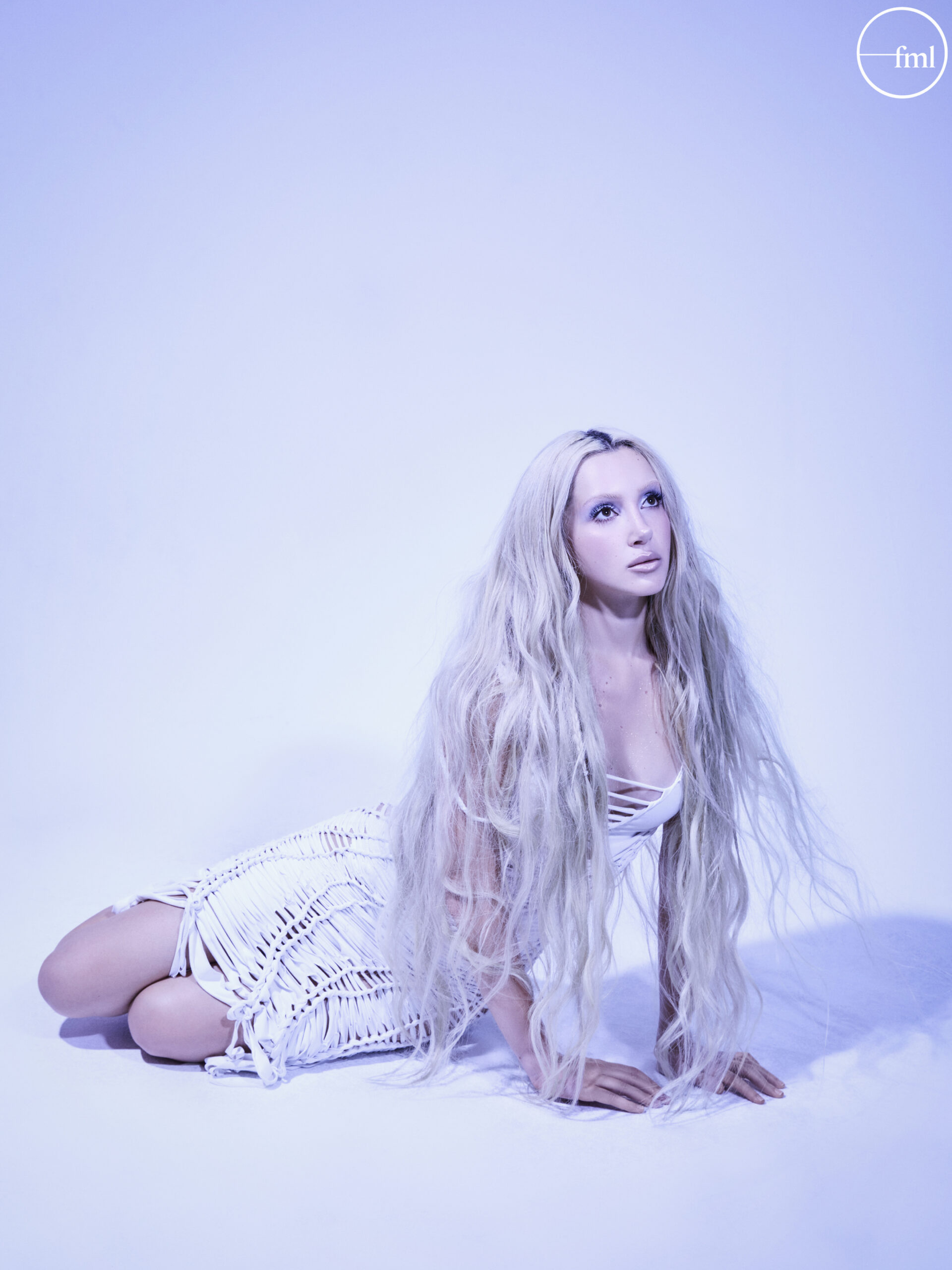
FML: There’s an interesting contradiction throughout Winter Forever: sadness and liberation, isolation and transcendence. Why are you drawn to putting opposing emotions beside each other?
BJ: I am hyper conscious of myself by nature. I am always processing emotions and self-reflecting. Therefore, paradoxes that live in all of us don’t evade me. The truth can only exist in a paradox. As we live on a plane of duality, duality is the essence of humanity.
FML: “Midnight Highway” explores a dark romance through trance-pop, while “Motorbike” feels almost euphoric in its sense of escape. Why does driving, movement, and the open road keep appearing in this chapter of your work?
BJ: Our emotions run high at night as the circumstantial hum of the mundane fizzles out. We can play into fantasy, seduction, and romanticism. Think about how many life changing nights you’ve had and how beautiful a memory it is to return to the backdrop of cityscapes. The ride to somewhere is filled with anticipation and excitement. The ride home is filled with remorse, exhilaration, or shame. Those fresh feelings are so potent and I get a lot of ideas in the car.
FML: The visual universe surrounding Winter Forever feels as developed as the music itself, with occult symbols, surrealist horror, abandoned architecture, video-game imagery, and the mythology of your Coven. How early in the process do you begin seeing the visual world of a record?
BJ: Visual concepts are pretty intuitive for me at this point. I put a lot of effort into it, but it seems like a necessary compliment to my expression. It’s a craft that I hone just like the music. Ideas come to me in fragments, I try to execute them immediately before the fragments even make any rational sense. The final picture is usually more clear than I intended.
FML: Your community calls itself the “Coven.” How did that relationship with your listeners develop, and how much does that community now influence the world surrounding Baby Jane?
BJ: I’ve been an independent artist my whole career so far. There is no filter between myself and my community. I’m a deeply spiritual person and my music is an alchemical practice for me. Therefore, it is a very authentic relationship with my fans. Coven seems to be the perfect way to dub it because we are sharing in a magical force – the music that connects us. It’s an unseen energy, but I feel it all the time. Knowing I have an audience, knowing there’s people with baby jane tattoos, I am challenged to put my best foot forward in my work.
FML: You’ve built a substantial audience while remaining independent. What has independence allowed you to protect creatively that you might have had to compromise otherwise?
BJ: I take my own wins and my own losses. Creatively, my greatest gift, I fear, was that nobody gave a fuck for so long. I was very motivated to change that. I honed my craft longer than a lot of “lucky” artists. Now I have a skillset that can’t be taken from me. Writing songs isn’t much different than carpentry.
FML: A Grave Marked Strange introduced many listeners to your world, and now Winter Forever arrives after such a rapid period of growth. Did the success of the first album create pressure when you began thinking about what came next?
BJ: Never. I’m not too precious with releasing music and, of course, I want to put out things that I’m proud of, but I’m also not afraid to let people watch me evolve.
FML: Your live performances combine DJing with live vocals rather than separating the two. What does that hybrid format allow you to express that a traditional DJ set doesn’t?
BJ: The format creates a unique experience. It let’s me showcase different aspects of my world. I love curating sets, but singing and performing my songs is very special.
FML: Your HÖR Berlin set became a major introduction to Baby Jane for a lot of people. What did that moment change for you, both professionally and in how you understood your own audience?
BJ: HOR was a huge leap of faith for me. I reached out to them incessantly and finally booked a slot in Berlin. I quit my day job that week and spent all my money on the trip. I spent months putting that set together. It was, creatively, one of my biggest challenges. It changed the way I DJ. I incorporated my love of movies into that format and poured my heart into it. People connecting with it felt very rewarding for me. There was pure passion for the whole hour that I played that set. I also had a severe flu and was afraid snot would drip through my mask onto the deck, but the joy of that moment literally healed me.
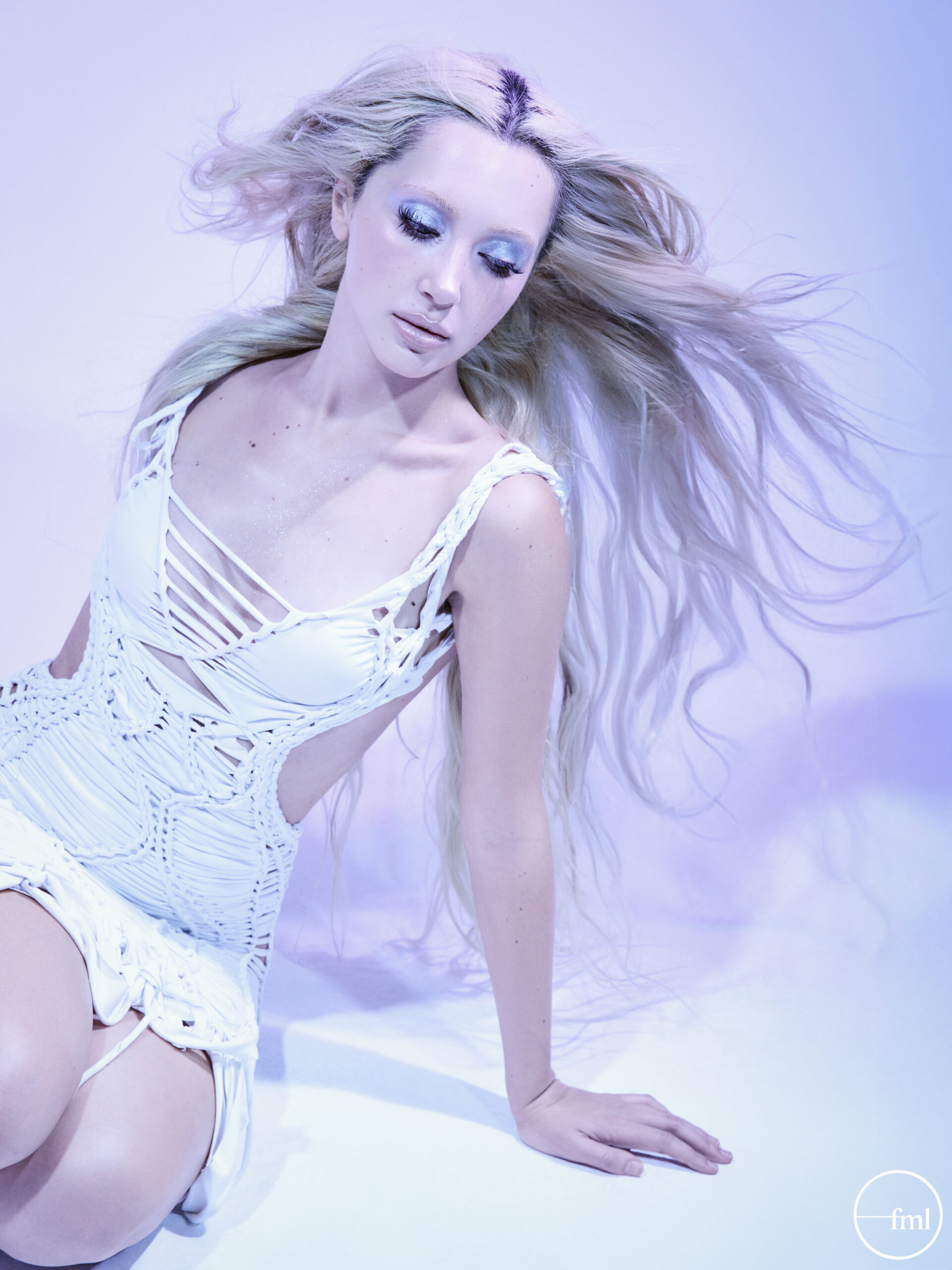
DRESS:
@ferocitywrld
FML: Internet-born microgenres can move incredibly quickly, sometimes becoming aesthetics before they have time to become fully formed musical movements. How do you keep your work from becoming defined by a trend?
BJ: Like I mentioned earlier in the interview, evolution is key. Giving yourself permission to let go of the past even though it helped you achieve something, for the sake of art, you must surrender to the unknown. You can’t be afraid to fail. We all are, of course, but you can’t fight your potential. You have to keep evolving and shedding your skin.
FML: Fashion and image feel inseparable from the Baby Jane universe. How do clothing, beauty, and styling help you step into the character or emotional space of your music?
BJ: Baby Jane is a character that exists outside of our times and society. She lives in a liminal space. I have rules for her wardrobe. They enhance the experience of the music.
FML: You’ve described Winter Forever as creating an entirely new universe. If someone could physically enter that universe for one night, what would it look, sound, and feel like?
BJ: It would probably be like playing an old video game. Abandoned landscapes and cold colors.
FML: With more than a million monthly listeners and a rapidly growing audience, how do you hold onto the intimacy and strangeness of something that originally came from underground internet culture as it reaches more people?
BJ: I’m alone a lot. One million can feel like 10k when you’re looking ahead to 10 million. It’s all relative. At the end of the day, the messages I receive from people who are real fans, meeting them in person, it’s surreal. But I make music from a humble place. The process humbles you, Life humbles you. Always striving to do better.
FML: After Winter Forever, what part of Baby Jane still feels unexplored to you?
BJ: Winter Forever feels like a bookmark of my last year, creatively. I’m already working on my next project. My writing is becoming a lot more intuitive. I don’t overthink that much. It comes from a spiritual place, which is ideal.
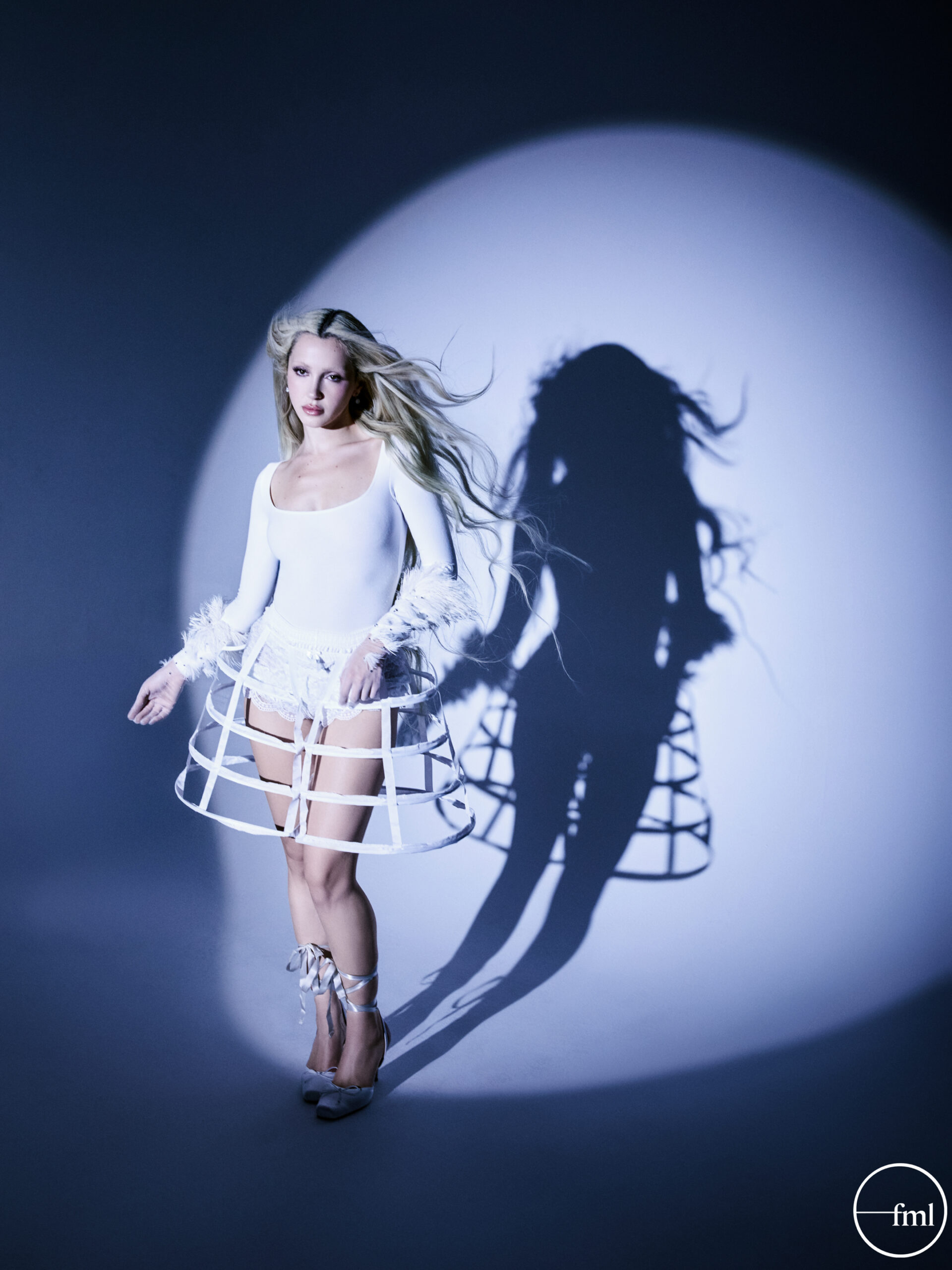
SHORTS:
@shop_redemption
@division.pr.la
EARRINGS:
@astridoagnes
@maisonpriveepr_la
For Baby Jane, artistic evolution is less about reinvention than the freedom to explore without limitations. From the underground clubs of Los Angeles to an international audience, her trajectory reflects the possibilities of independent artistry in an increasingly interconnected musical landscape. With Winter Forever, she has expanded her creative vocabulary while remaining grounded in the emotional sincerity that first distinguished her work. Her willingness to embrace new influences, collaborate across genres, and allow her audience to witness that evolution speaks to an artist whose ambitions extend well beyond any singular sound or aesthetic.
Perhaps what makes Baby Jane’s world so compelling is its ability to transform deeply personal experiences into something collective. Through her music, mythology, and the community she has cultivated, she has created a space where individuality and belonging coexist. With another project already taking shape, the next chapter promises further exploration of an artistic universe that continues to grow alongside its creator. For Baby Jane, the future remains beautifully unwritten, and there is every reason to look forward to what comes next.

Baby Jane’s #FMLFaves
Favorite Song: “Sextape” by Deftones
Favorite Movie: Robert Eggers’ “The Witch”
Favorite Dish: Ramen
What’s in your bag?: Lip combo & oversized sunglasses
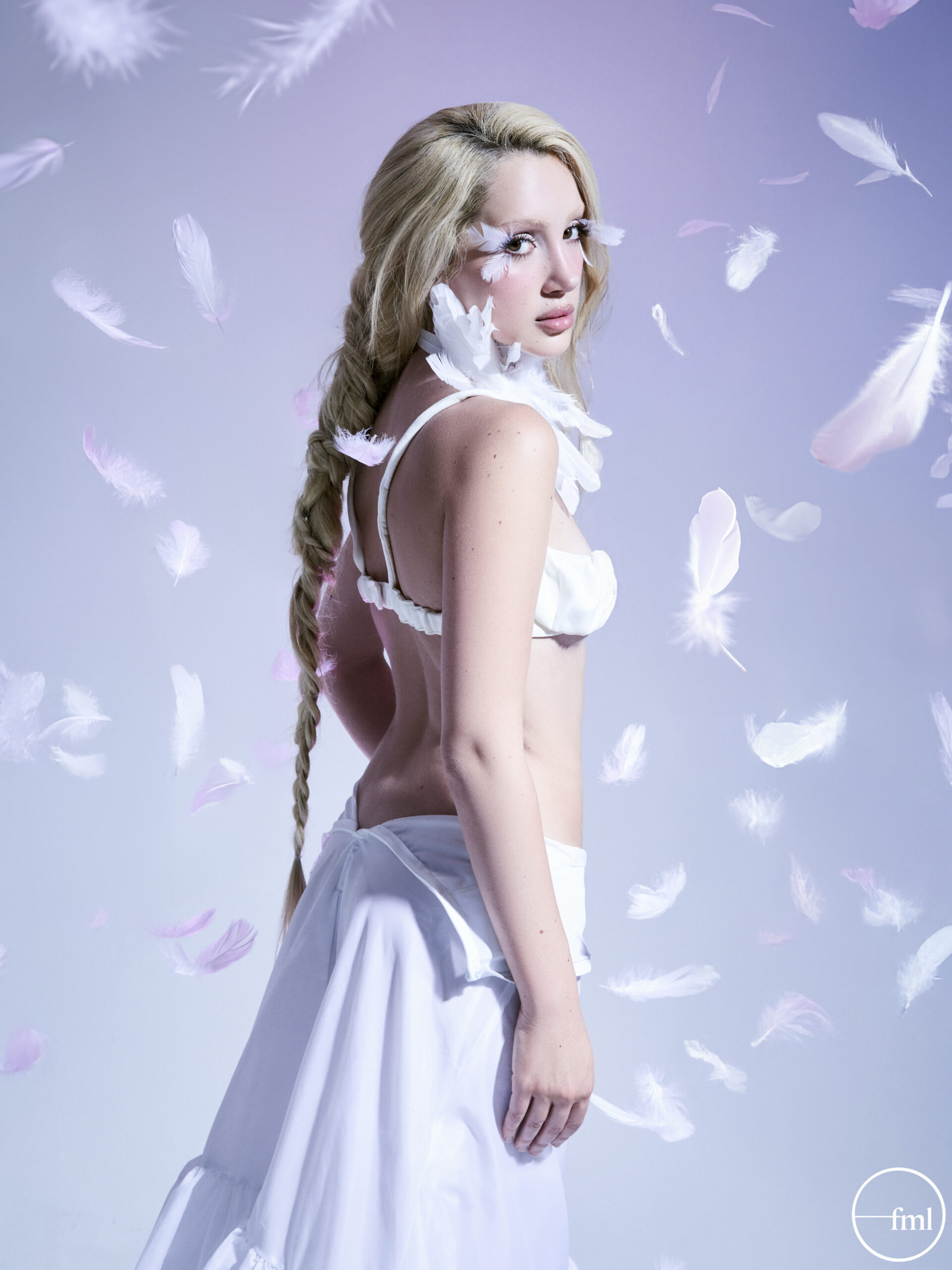
EIC: Gina Kim-Park ( @ginakpark )
Photography & Creative Direction: Reinhardt Kenneth ( @reinhardtkenneth )
Muse: Baby Jane ( @babyjanelives )
Production: ARTCODED ( @art.coded )
Fashion Stylist: Brooke Sibala ( @brookesibala )
Hair Stylist: Lavi Maspero ( @lavimaspero )
Make Up Artist: Dariia Balaban ( @bla_bla_makeup )
Lighting Director: Ralphy Valle ( @ralphyvalley )
Digitech: Suimay Lee ( @suimaylee )
Fashion Assistant: Paola G. Morelli ( @paoooomorelli )