Slow Burn: Chef Austin Kang & Mukjung
There are restaurants you stumble into, and then there are restaurants that require intention. Mukjung belongs to the latter; a place that feels less like a reservation and more like a decision. You don’t just arrive here; you choose it.
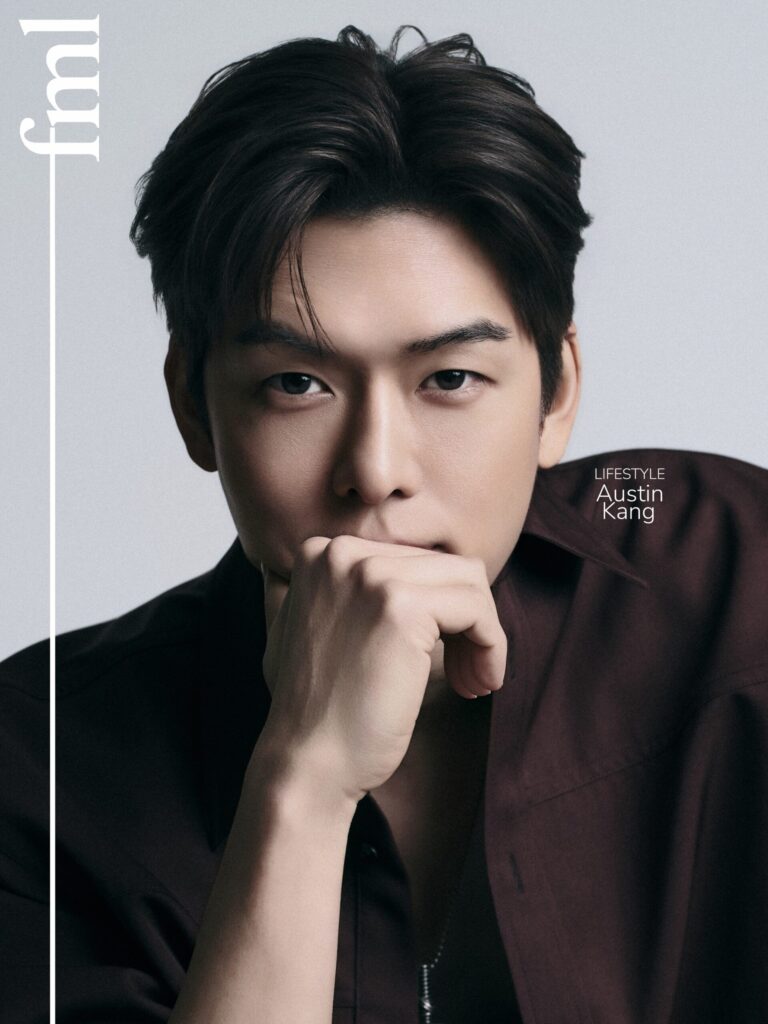
The road to Mukjung is part of its thesis. There is, as its chef and owner, Austin Kang, puts it simply, “you come to a place that’s not in a fast-paced environment.” No clusters of bars, no retail spillover, no ambient noise of a neighborhood performing for itself. Just distance. And in that distance, a kind of recalibration occurs, where time stretches and conversations deepen, allowing for meals that slow down.
“You truly focus on each other,” as Chef Kang says.
“Korean food is slow food,” he shares, almost as a quiet correction to the speed at which dining culture has begun to move. “I wanted to focus on a place where the area has a story.” It’s a radical idea in an era of turn-and-burn tables and algorithm-chasing menus that exhaust us: that a restaurant could somehow function as a pause button.
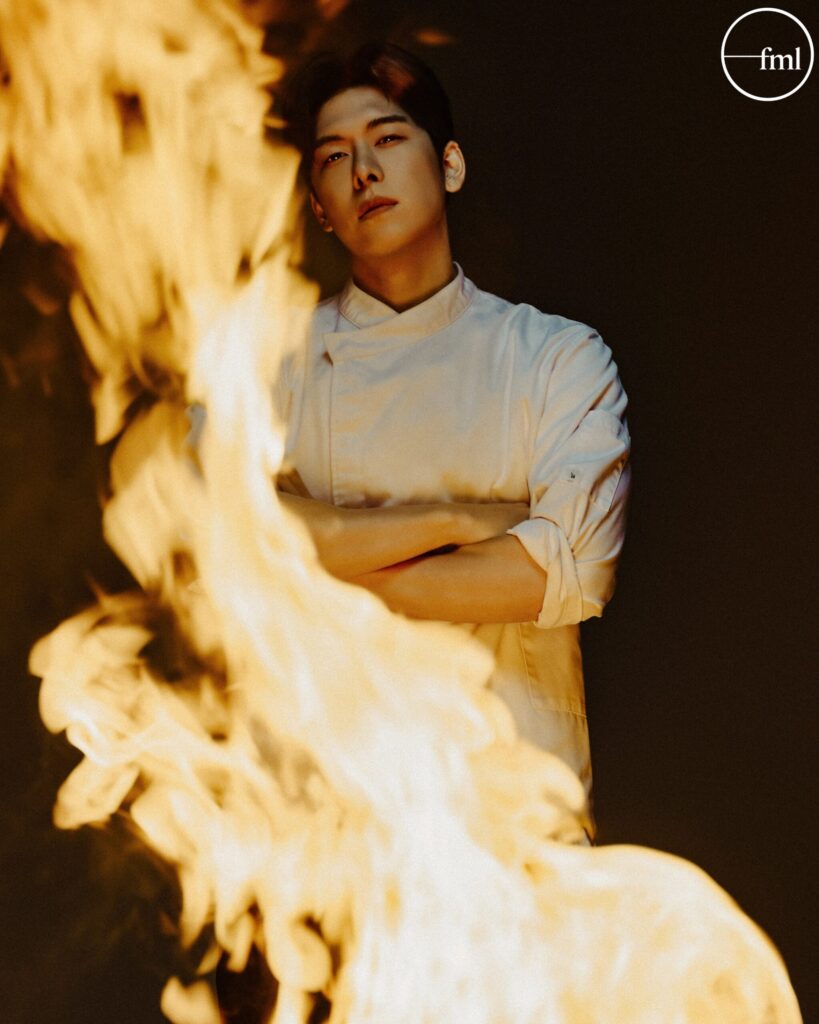
What makes Mukjung even more compelling is that its foundation isn’t built on nostalgia, but rather on discovery. “I was born in Korea,” Chef Kang says, “but I didn’t grow up eating Korean food when I was young.” Mukjung marks his first deep dive into a cuisine of his own heritage, a reversal of the expected narrative. There is no inherited playbook here, no true childhood muscle memory guiding each dish. Instead, there’s intention, curiosity, respect without rigidity. “It’s my first time doing Korean food.”
That distance, from both geography and upbringing, becomes a creative advantage. It allows him to approach Korean cuisine not as something fixed, but as something living. Still, the industry around him doesn’t always reward that kind of thoughtfulness.
“The biggest challenge, still to this day, is finding the right staff,” he admits. “Nowadays, it’s so trend-focused that it’s hard to keep up.”
The comment lands heavier than it first appears. In a world where food cycles through aesthetics as quickly as fashion, and where a dish can go viral before it even has time to settle. Mukjung resists. Not loudly, not performative, but persistently.
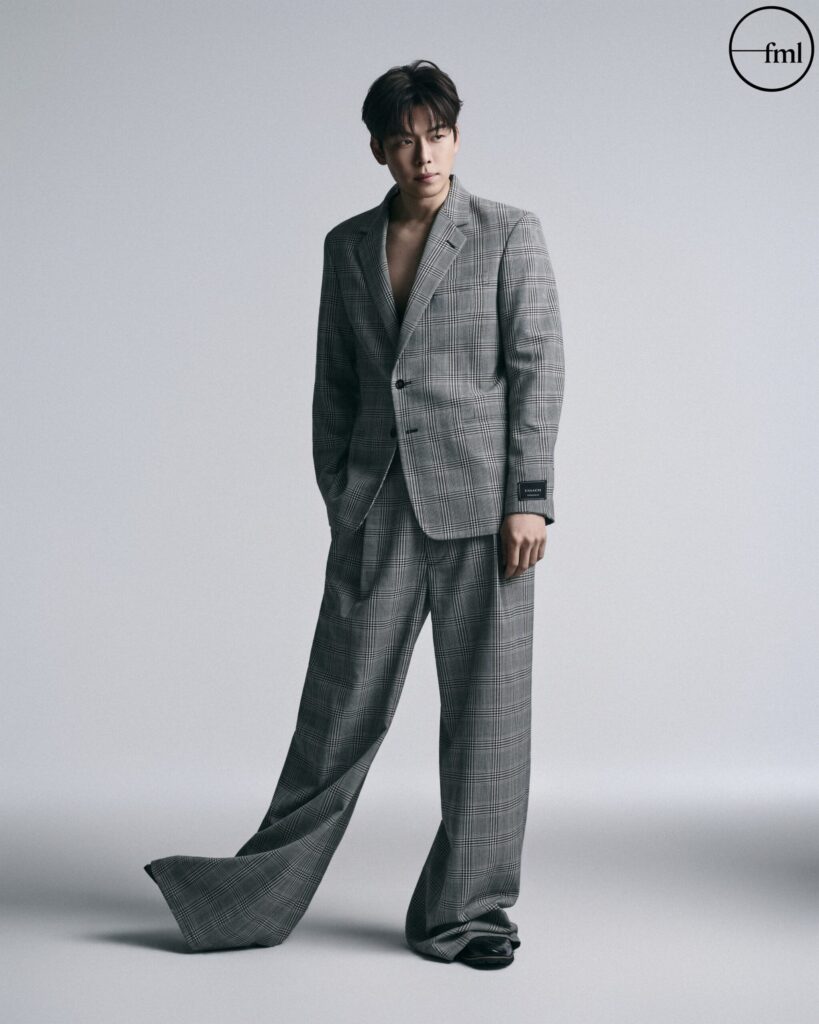
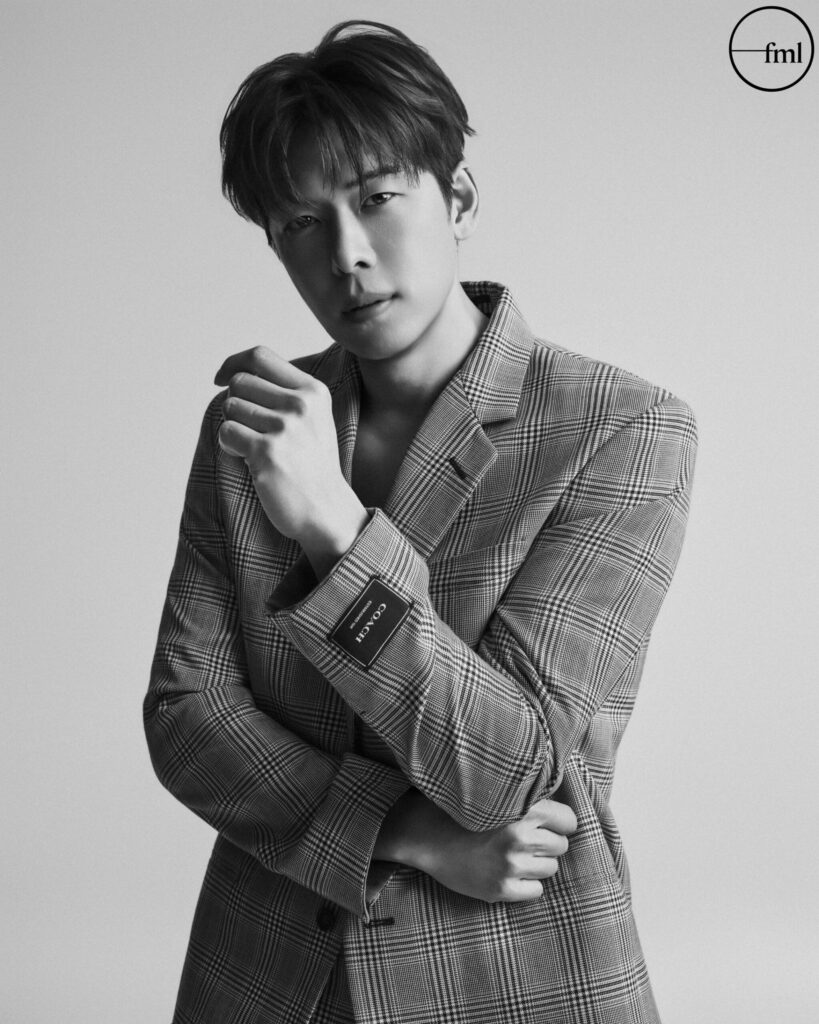
Ask Chef Kang what matters most, and he doesn’t mention accolades, or press, or even food. “The most important thing,” he explains, “is people come together. They eat, they talk, and they leave knowing each other a lot better.” Mukjung, in this sense, is more a conduit than a destination. “For us,” he continues, “we’re just the middleman trying to make things work. I think what shaped our community is the exclusiveness of the location and the story behind the cuisine and how this type of cuisine can relate to everybody.”
It’s a strikingly humble framing in an industry often built on ego. He doesn’t position himself as an auteur but as a facilitator, someone whose role is to hold the space steady while something more important happens across the table.
The philosophy extends to how he sees power. “I don’t see myself as giving a certain amount of power,” Chef Kang says. “I’m here to serve my guest. That is my job. That is my duty.”
In practice, that means an obsession with the invisible: systems, flow, and consistency. The mechanics that allow a meal to feel effortless.
If Mukjung is rooted in stillness, its cuisine is anything but static. Chef Kang speaks about Korean food with a kind of dual awareness: deep respect for its foundations, and an openness to its evolution.
“In Korea, they do a good job of keeping tradition alive and sticking to its core,” he shares. But outside of Korea, he sees something else happening, something necessary. “As K Food is evolving, I think, keeping it too traditional when globalizing K Food, each country should have their Korean twist. Keeping the base, but adding their cultural flair.”
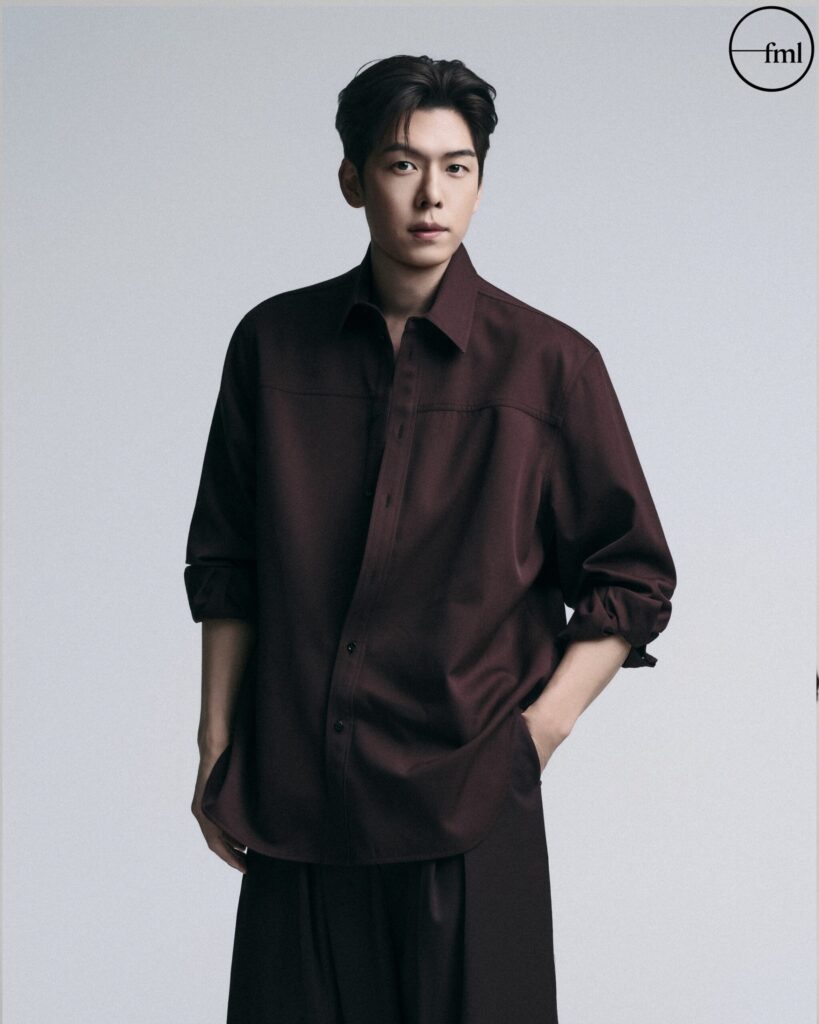
It’s not dilution he’s advocating for, but translation. Allowing Korean cuisine to travel without losing its identity. In Mukjung’s kitchen, that philosophy quietly unfolds, not as a fusion for the sake of novelty, but a natural extension of context.
For all its conceptual elegance, the reality of Mukjung (like any restaurant) is grounded in the daily unpredictability of service. “The kitchen teaches you the reality of life,” Chef Kang explains. “Nothing is going to go your way.”
There’s no romanticism in the statement. Just Clarity.
It’s a place where control is illusion, resilience becomes a skill, and success is often measured in small, fleeting moments: a smooth service, a satisfied table, a team that holds together under pressure.
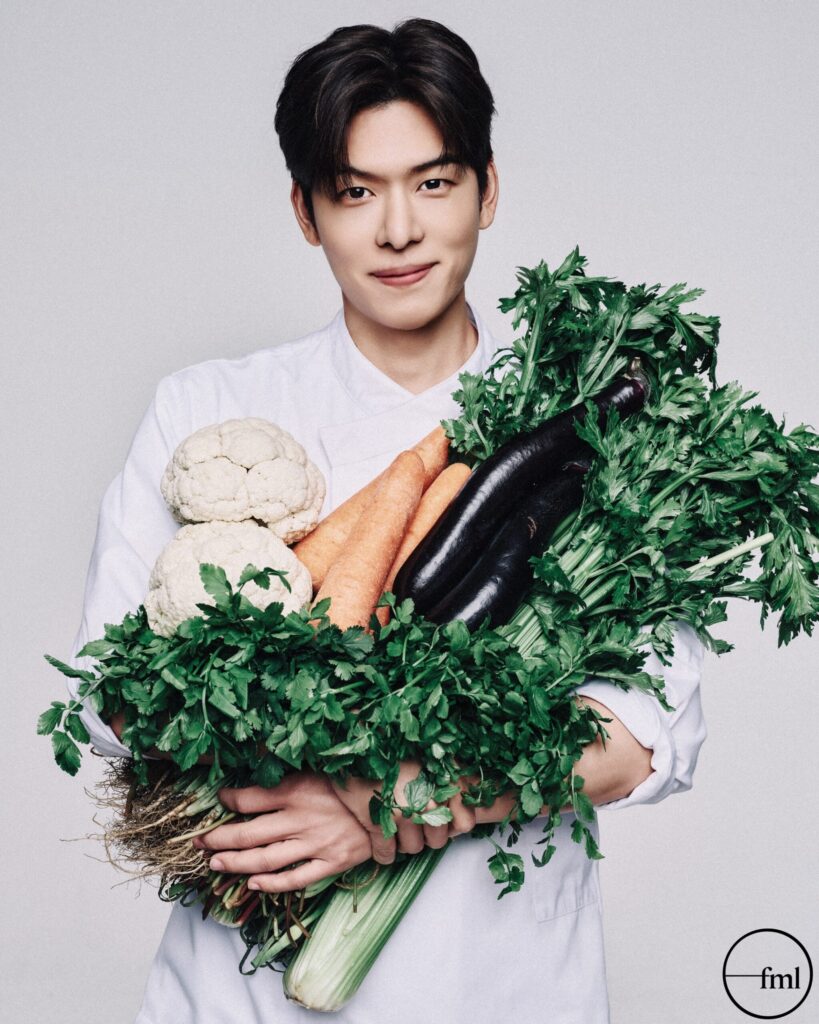
“I always see how my staff is doing,” he says. “And also, did the guest leave ok?”
The question lingers. It’s simple, but it contains everything: care, accountability, and a quiet sort of hope. And then, there are the harder moments, the ones every restaurateur knows but rarely centers in conversation.
“When you have no customers,” he says, leaving the sentence unfinished.
He doesn’t need to finish it.
Toward the end of the conversation, he pauses, not to reflect on what’s been said, but on what hasn’t.
“I wish more people asked me about why Korean food is healthy and how our food plays a part…” A response that. feels different, not incomplete, but open-ended. As if the real story of Mukjung isn’t fully captured in interviews, menus, or even meals.
Maybe it lives in the in-between moments of the quiet drive out, the first bite taken without distraction, or the conversations that stretch longer than expected. Or just maybe it lives in the intention behind it all with a decision to slow down, to gather, and to serve.
In a cultural landscape obsessed with what’s next, Mukjung asks something quieter, and perhaps more difficult:
What happens when you stay?
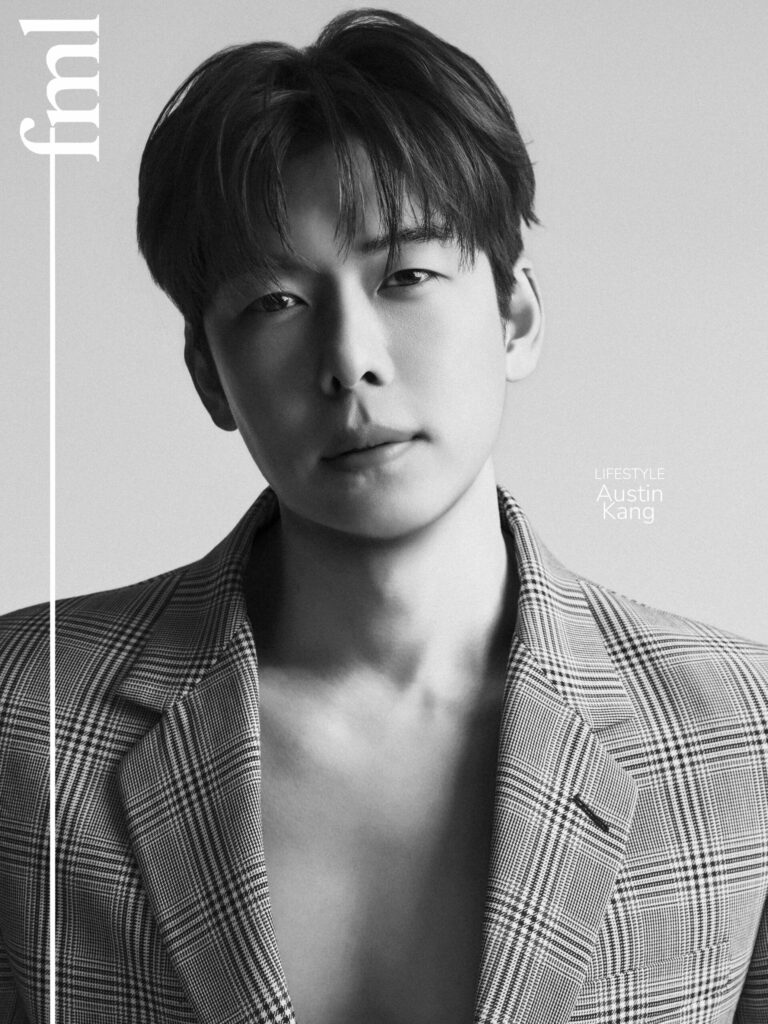
EIC: Gina Kim-Park ( @ginakpark )
Muse: Austin Kang ( @austinkangg )
Production Manager: Min Lee ( @lee.a.min )
Creative Direction: Reinhardt Kenneth ( @reinhardtkenneth ) & Heo Jangbeom ( @heojangbeom )
Photographers : Heo Jangbeom ( @heojangbeom ) , Choi Cheolhun ( @hoon.by )
Stylist: Lee sonya ( @noeyosonya )
Assistant: Oh Euntaek ( @Oetaek )