HAYLA: The Light Beyond DARK
“Through the darkest times we still need hope.”
— HAYLA
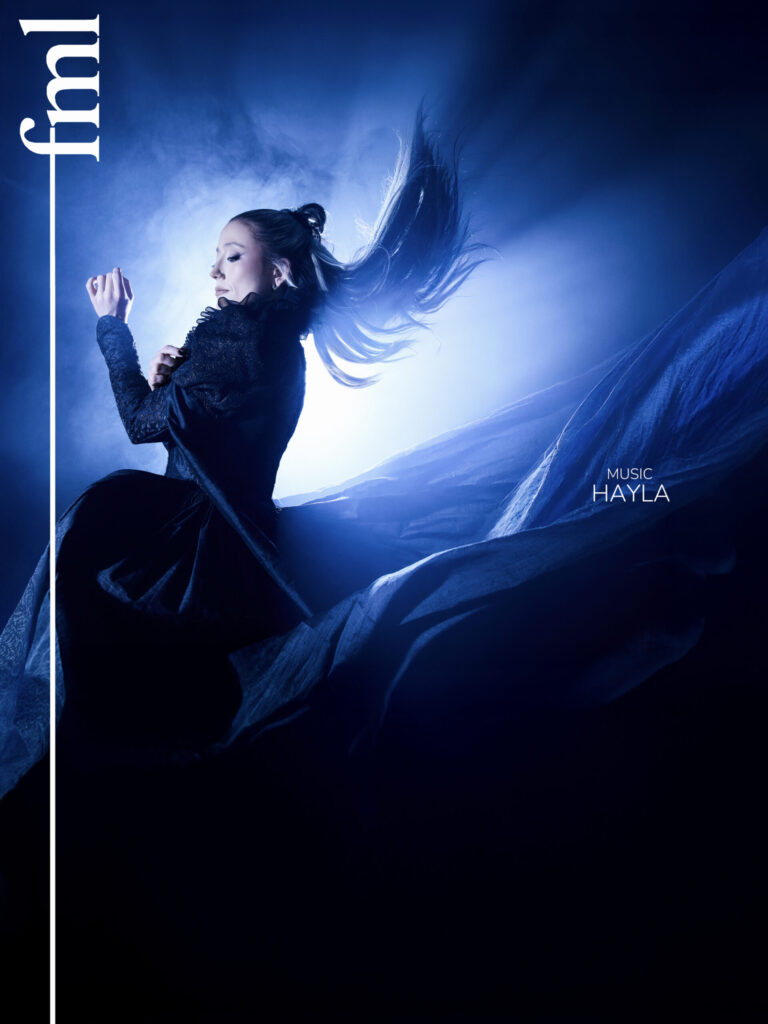
There is a particular kind of sadness that belongs to the dance floor. The lights are still flashing, the bass is still moving through the room, but somewhere between the euphoria and release, something heavier lingers. HAYLA has spent years making music within that tension. Now, with her new album DARK, she turns inward, moving beyond pure dance-floor release toward something more exposed. Grief, memory, love and resilience become the emotional architecture of a record that feels intimate, cinematic and unresolved.
The Liverpool-born singer-songwriter has become a familiar voice within electronic music, appearing on records with John Summit, Kx5, Kygo, MEDUZA, ILLENIUM, Nelly Furtado, Sub Focus and Wilkinson while gradually carving out a solo language of her own. Her debut album, DUSK, placed her unmistakable vocal presence at the center of the production. With DARK, released July 31, that story moves into more vulnerable territory.
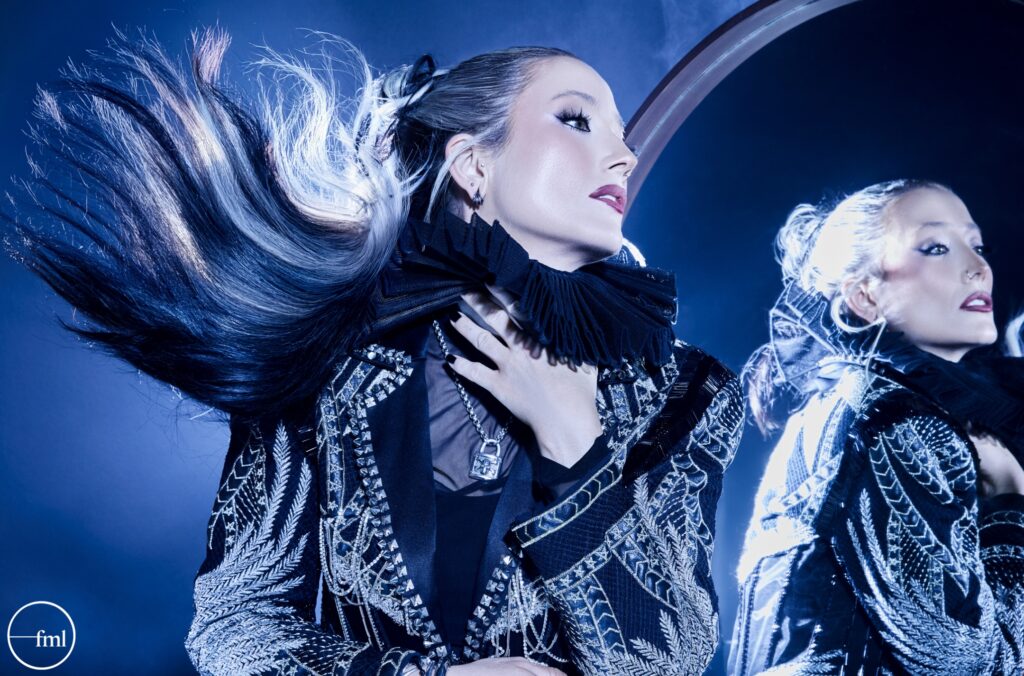
HAYLA has described her evolving sound as “sad bitch music,” a playful phrase for music that is emotionally heavy yet hopeful, melancholic but empowering. That duality runs throughout DARK. Rather than treating sadness as something that needs to disappear by the time the chorus arrives, the album allows difficult emotions to coexist with the scale and release of electronic music.
That tension comes sharply into focus on “Easier,” an intimate meditation on grief written and recorded with British producer Jacob Manson in a single day. Inspired by an immense personal loss, the song captures the disorienting reality of continuing forward after someone is gone, when seasons change and everyday life somehow keeps moving. It followed earlier singles “Heal” and “Enough,” together introducing an album shaped by loss, love, grief and resilience.
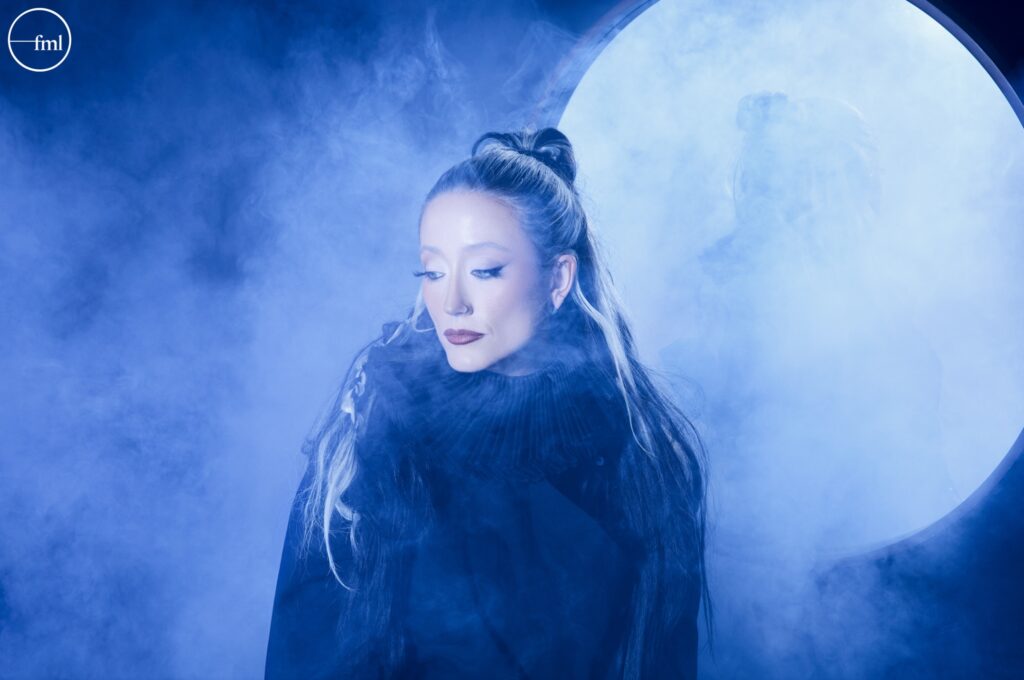
The project arrives at a transitional point in HAYLA’s career. Her voice has long been associated with sweeping electronic productions and festival stages, but DARK creates space for something more personal within that scale. Earlier this year, she previewed entirely new music from the album at an intimate performance inside London’s St Pancras Church, offering an early glimpse into the emotional world taking shape beyond her previous work.
That intimacy now exists alongside an increasingly expansive live presence. Following her Kinetic Field main-stage debut at EDC Las Vegas in May, HAYLA moved through a run of festival appearances before embarking on The Dark Tour across North America. The show brings her new material into conversation with the dance records that helped define earlier chapters of her career, including collaborations such as “Where You Are,” “Shiver,” “In My Arms” and “FADED.”
If DUSK established HAYLA as a solo artist beyond the collaborations many listeners first discovered her through, DARK opens another side of that identity. It does not abandon electronic music or the catharsis that comes with it. Instead, grief, vulnerability and resilience are allowed to occupy the same space as the music’s larger, euphoric moments.
There are no easy answers promised here. As HAYLA has explained, the music is meant to hold space, allowing listeners to find their own meaning within it. Perhaps that is where DARK feels most affecting: not in trying to turn sadness into something prettier, but in allowing it to remain complicated.
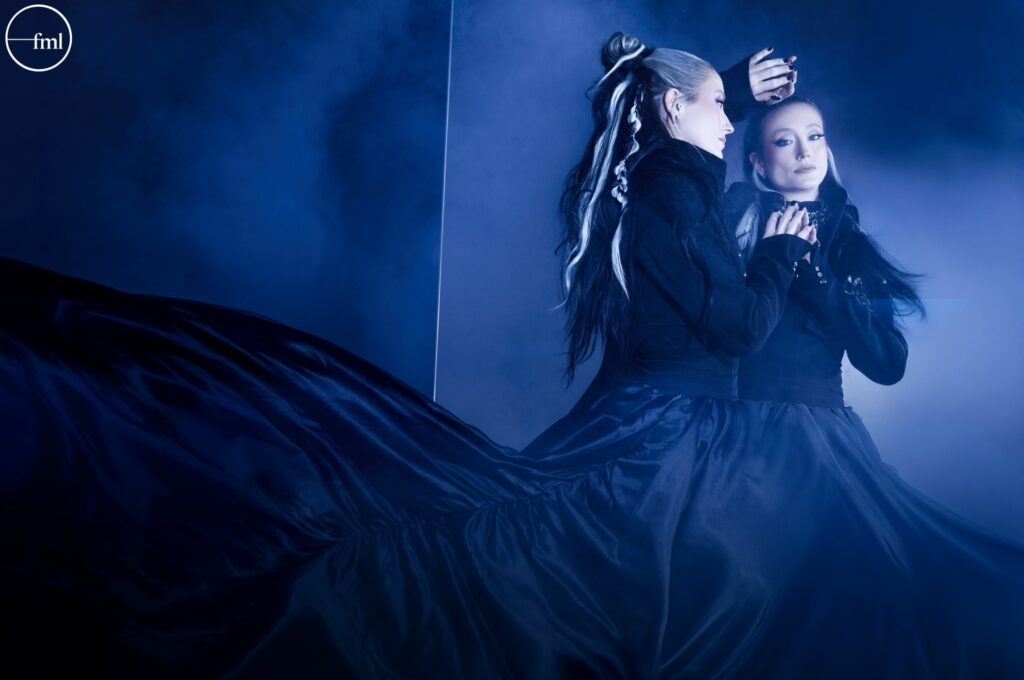
We sat down with our August Cover Star HAYLA to discuss the making of DARK, writing through grief, her evolving relationship with electronic music, and finding new possibilities within a voice the dance world already knows so well.
FML: DARK feels like a defining chapter in your career. What emotional or artistic shift made you realize this was the album you needed to make?
H: I had/have been through an incredible loss. I didn’t know if I was able to write or if I was able to really share what I was going through. There was no pressure and complete creative freedom. I think being able to find joy in creating without thinking about genre even, really helped me begin to process through my writing and begin to heal in a small way. These recent singles and this album have been made for the love of writing, authenticity and catharsis.
FML: You’ve become one of electronic music’s most recognizable voices through collaborations, yet this record feels deeply personal. How did stepping into your own narrative change the way you approached songwriting?
H: Ah thank you so much! I think I’ve been able to be a lot more self indulgent with this album as it’s purely just for me and the joy of writing and a form of therapy. I don’t think I would have shared these subject matters with a collaborative artist as they are so personal. I was able to in turn play around with style and genre too as I didn’t feel like I had to write for a certain sound. It’s was incredibly freeing to approach writing in this way.
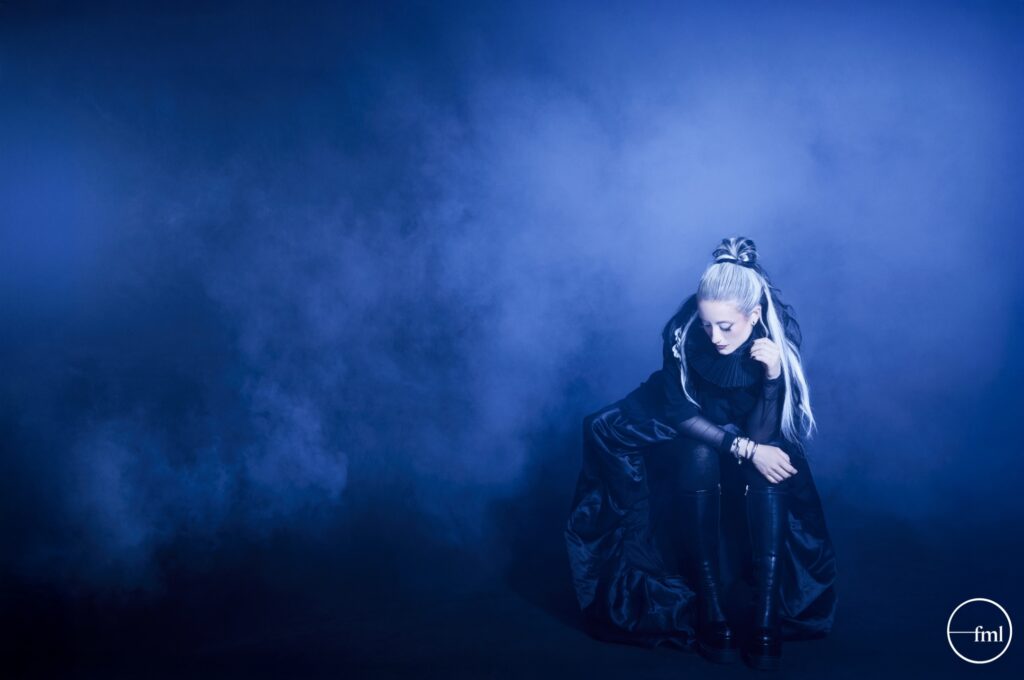
FML: “Easier” explores grief with remarkable honesty. Was there ever a moment where writing something so personal felt too vulnerable to release?
H: I think I’ve sort of made a deal with myself to talk as openly about my grief as possible without giving away too many details of who it was, or what happened. I’m still grieving through it and coming to terms with it, so I think being able to have that side kept close to my heart has been helpful. Maybe one day I will be more open about those two things but for now I wanted to share the emotions without it being too raw for me – if that makes sense. After writing and then releasing this song I really saw how important this song could be for me and for others. It’s helped give a voice to my grief and has been a gateway to opening up the conversation about one of the hardest things in life that we will ever go through. Loss.
FML: You wrote and recorded “Easier” in a single day. Do you think the most emotionally truthful songs often come from trusting instinct rather than overthinking?
H: Oh 100%. I had no anticipation of writing this song and I didn’t know that what I was about to write was what I was feeling. It was written with the amazing Jacob Manson and I think it started with a conversation. I was feeling so heavy and lost and these writing sessions became moments of light in my life. Easier was exactly what I was feeling and not saying to anyone. I did start to get grief counselling shortly after writing this album.
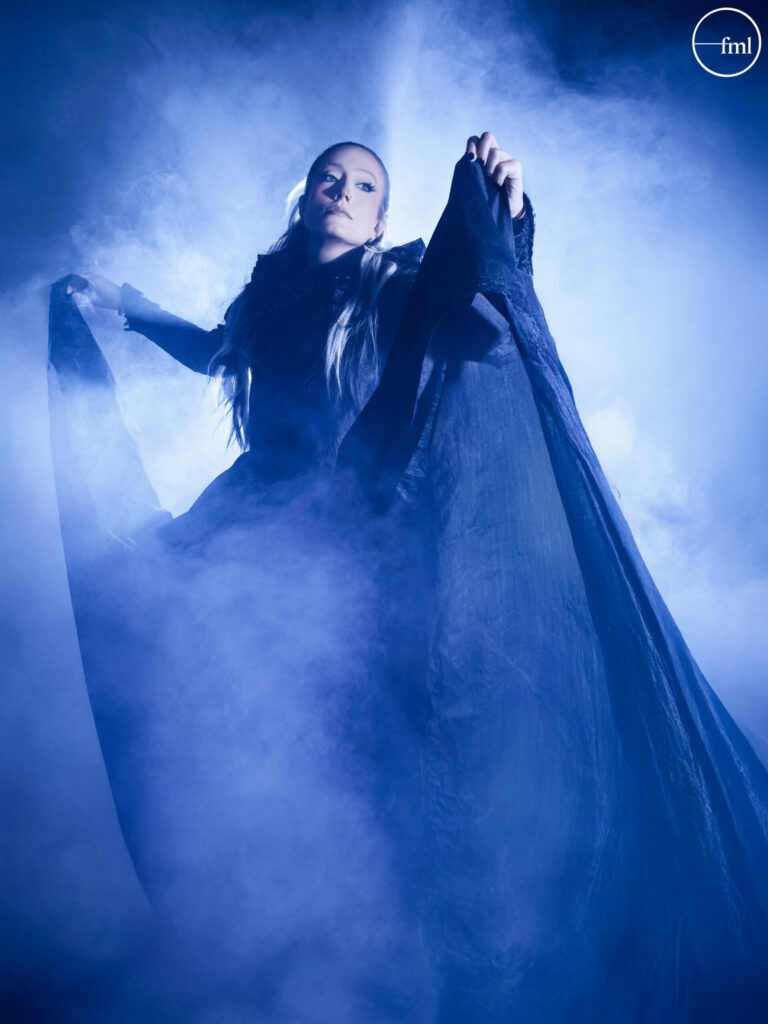
FML: Throughout DARK, you describe your sound as “sad bitch music.” It’s a playful phrase, but it carries real emotional weight. What does that term mean to you beyond the humor?
H: Melancholy is my favourite mood .. although I do have a happy disposition. I think sad bitch music just perfectly balances the happy sad, as it sort of takes control of the sadness by carrying a slight humour. We all need a cry in the club sometimes.
FML: You’ve collaborated with artists like John Summit, Kygo, MEDUZA, ILLENIUM, and Nelly Furtado. How has working with so many different producers influenced your confidence as a solo artist?
H: I have had a unique view into many different artists teams over the years. I think seeing how each works and really strives for greatness in their own projects has also made me level up my own expectations and drive. The way the songs have resonated with audiences also gave me more confidence within my own writing and sound.
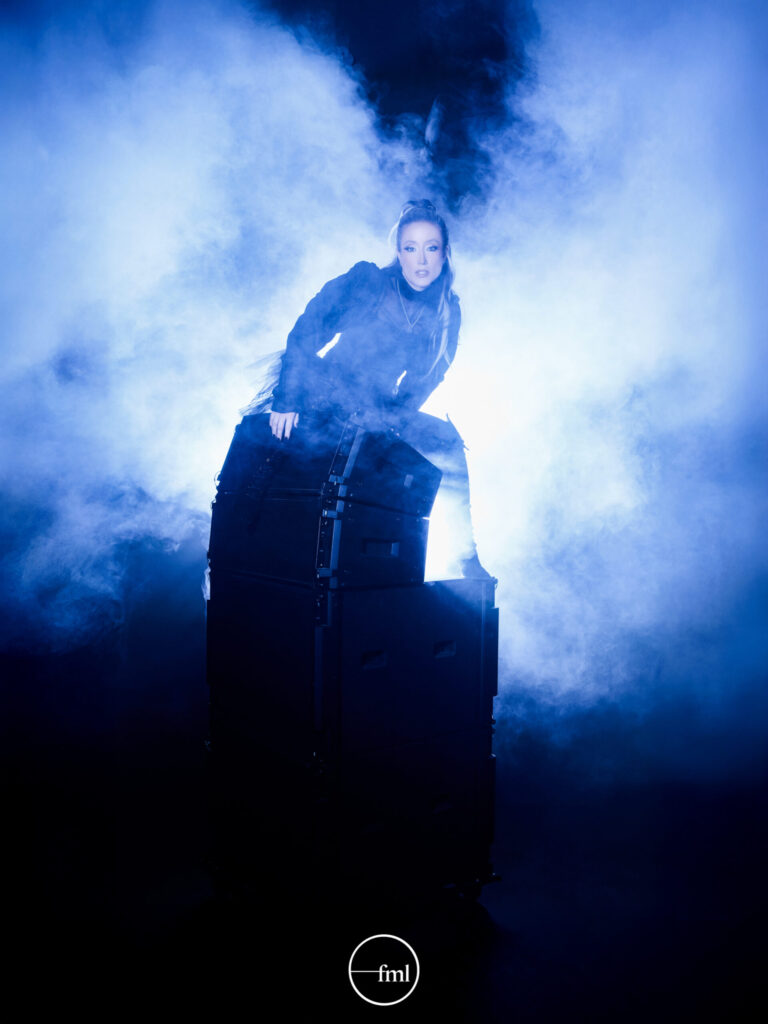
FML: Electronic music is often associated with escapism. Your music seems to invite listeners to confront difficult emotions instead. Do you think dance music is evolving into a space for deeper storytelling?
H: I do think there is space for deeper storytelling emerging in dance. The more that I write the more that I realise how much connection we need and how much more togetherness is needed. A lot can be said with a few words but I believe that sometimes the hardest conversations can be had through music and released on the dance floor.
FML: There seems to be a recurring tension throughout your music between darkness and hope. Why do you think those two emotions naturally coexist in your writing?
H: I think they do in life. Through the darkest times we still need hope.
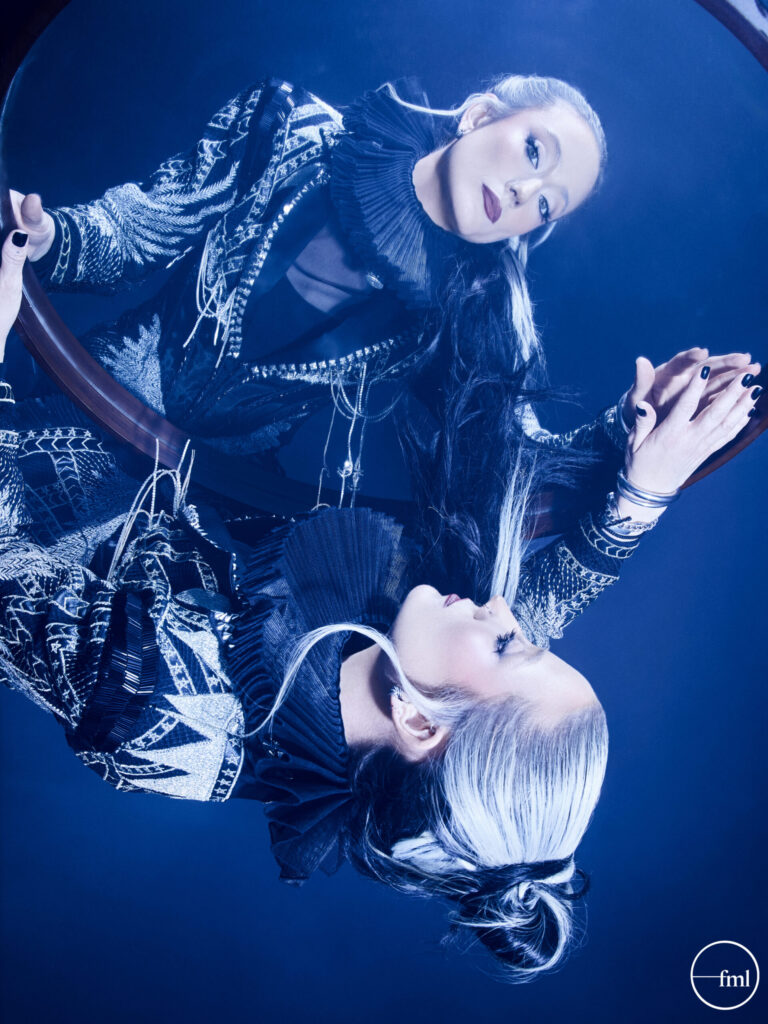
FML: You’ve performed on massive festival stages like Coachella and EDC Las Vegas, but The Dark Tour promises a much more intimate experience. How does performing vulnerable material change your relationship with an audience?
H: I think and I hope this new body of work has allowed audiences to get to know me a little better. I’m so grateful for the collaborations and the audience that they have placed me in front of but this album I hope will show a different side to me and my artist project. I’m so grateful that people have wanted to come and see me on my own solo tour.
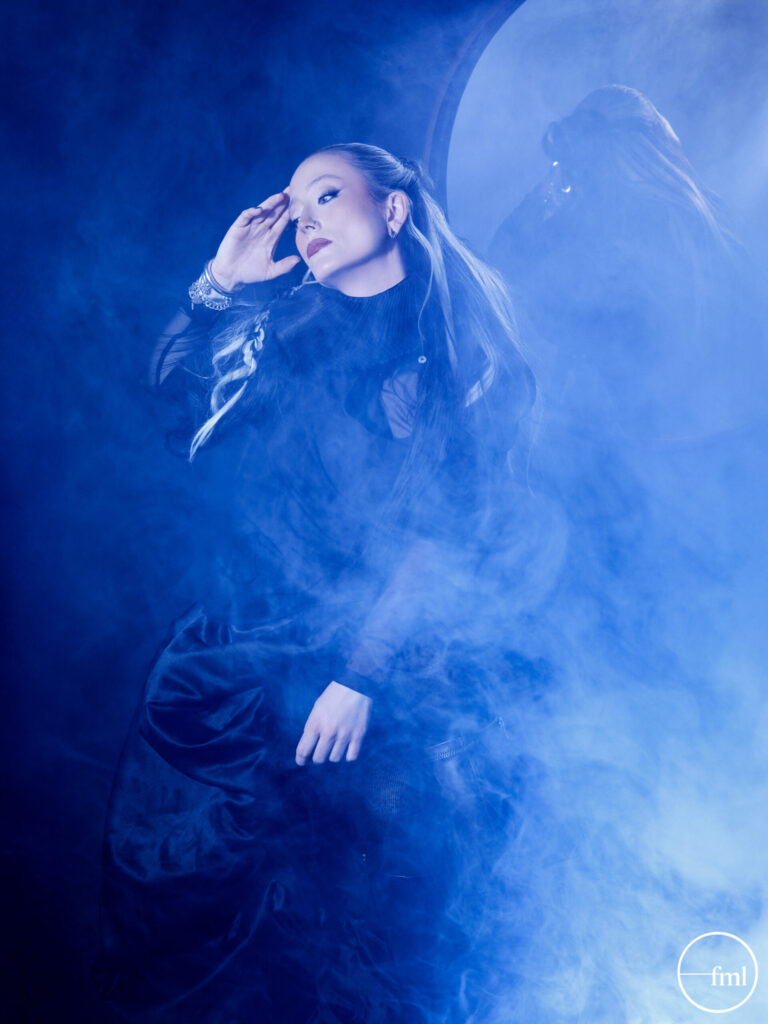
FML: Many listeners have found comfort in your music during difficult moments. Have fans ever shared stories with you that changed the way you viewed your own songs?
H: I have had some messages since releasing this new body of work which have really solidified in my mind how much these songs really needed to be released, for me and for others if they need them. It’s also solidified how much connection there is to be had when sharing emotion through music. The more I write and release the more this is becoming so apparent to me.
FML: If someone listens to DARK from beginning to end with no expectations, what do you hope they leave with emotionally?
H: I hope that the listener finds connection and catharsis if they need it. I hope they feel less alone. I hope they feel like they can have the emotional or maybe more difficult conversations and feel release. I hope they feel lighter. I hope they feel that they know me better and I hope that they enjoy this body of work.
FML: As you continue building this next era of your career, what kind of legacy do you hope people associate with HAYLA beyond the charts, accolades, and collaborations?
H: I want to continue writing music that makes people feel less alone and fuels connection and togetherness. I also love performing live and want to continue to do so. I’m so eternally grateful to be able to do what I do. Thank you so much to everyone who’s been following me on this journey so far.
For an artist whose voice has so often arrived at the height of the crescendo, DARK finds its power somewhere quieter. HAYLA is not interested in presenting grief as something neatly overcome. Instead, she lets it remain complicated, sometimes heavy, sometimes hopeful, and often both at once. In doing so, the album expands the emotional vocabulary of the music she has spent years making.
What emerges is a portrait of an artist allowing vulnerability to take up more space. Grief sits beside humor, melancholy beside release, and the intimacy of HAYLA’s writing against the sheer scale of the world she performs within. DARK does not diminish the euphoria that has long surrounded her music. It gives that euphoria something deeper to push against.
Perhaps that is the clearest evolution of this chapter. DARK does not attempt to outrun sadness or turn it into a tidy resolution. It gives it rhythm, volume and somewhere to exist. Sometimes, as HAYLA puts it, we all need a cry in the club.
HAYLA’s #FMLFaves
Favorite Song: I Will Always Love You – Whitney Houston
Favorite Movie(s): Lord of the Rings
Favorite Dish: Spaghetti Bolognese
What’s in your bag?: Passport, Purse, chewing gum, AirPods, water bottle, keys, throat coat drops, hand cream, phone and book
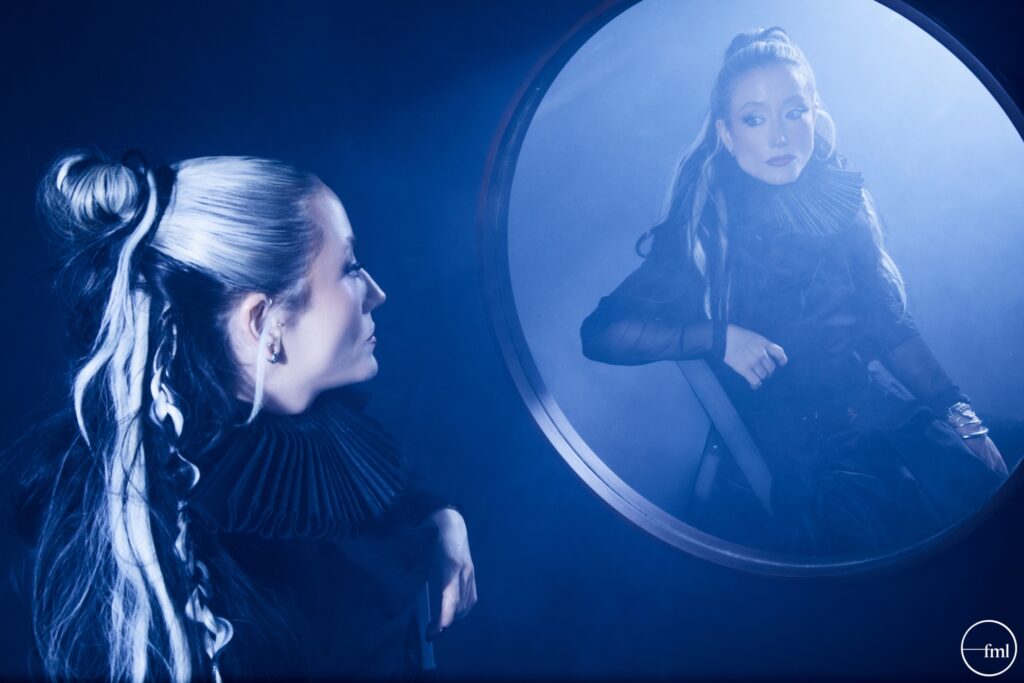
EIC: Gina Kim-Park ( @ginakpark )
Photography & Creative Direction: Reinhardt Kenneth ( @reinhardtkenneth )
Muse: HAYLA ( @haylasings )
PR: Falcon Publicity ( @falcon_publicity )
Location: The Den Studios LA ( @thedenstudiosla )
Make Up Artist: Lavielle Maspero ( @lavimaspero )
Hair Stylist: Juanes Hernandez ( @juanesmakeup )
Styling: Beau Tiger Rae ( @lilbeaurae )
Lighting Director: Ralphy Valle ( @ralphyvalley )
Photographer’s Assistant: Rachel Kim ( @raeraekims )
Retouch: Valeria Mediana ( @medianaretouch )
Special Thanks to Alexandra Greenberg & Phil Jaurigui