The End Of Empty Luxury As We Know It
The luxury industry built an empire on the assumption that price was meaning enough. A price tag was never a story. Now it’s swiftly coming to terms with a growing consumer base that wants more than that or brand names. They want something money alone can’t fully satisfy. Because no one talks about the particular sort of discomfort and emptiness, that comes with buying something expensive yet feeling nothing beyond the transaction. No story or weight behind the product… just a beautiful object with a hefty cost.
 This quiet sentiment has morphed into a cultural epiphany and pressure point. A rude awakening, for a lack of better words, and the industry is starting to feel it. For as long as modern consumerism has been prevalent, the industry operated on a relatively clean, self-explanatory logic and stable social contract: exclusivity justified exorbitant prices, the prices signaled status, and status was the conversation. It held up, until it didn’t. Because something has shifted. Not dramatically overnight; more gradually, then all at once.
In order to navigate through this evolving business model and consumer sentiment, it’s crucial to first unpack and analyze what’s going on here. Consumers that emerged on the other side of economic anxiety, after several years of forced pandemic-era introspection and a wholesale reassessment of what things are for, aren’t the same consumers luxury originally built itself around. They still want beautiful things. They still want quality. But now they want them to mean something too. And “expensive” stopped being enough for a hot minute now.
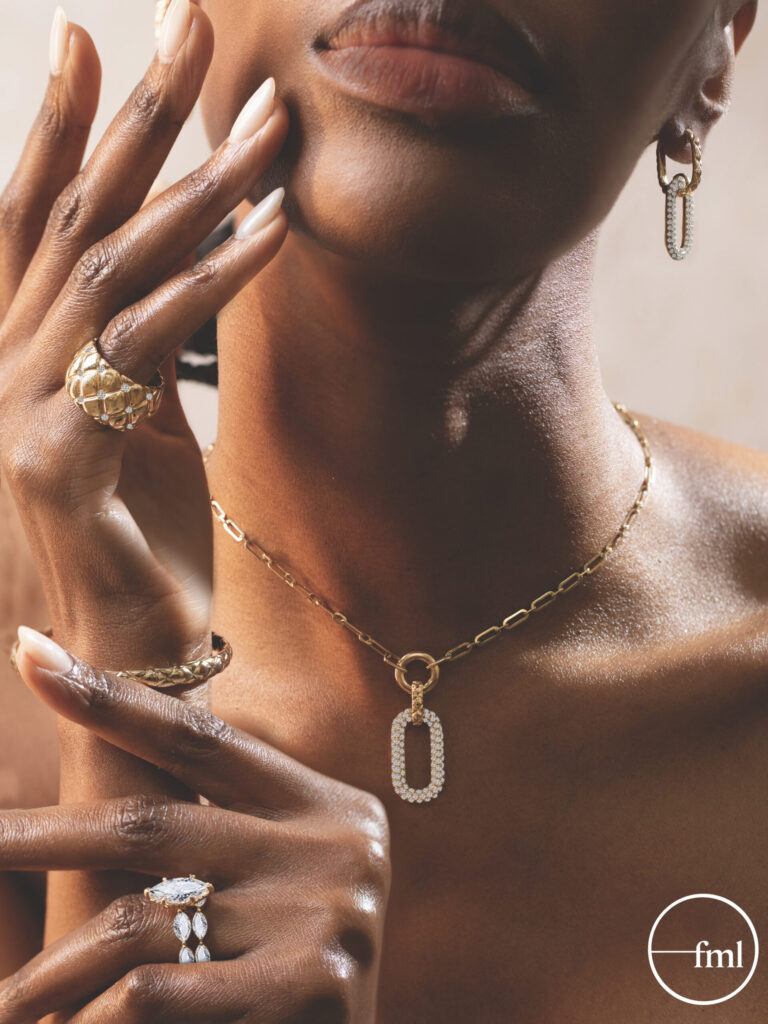
The jewelry industry, specifically, is where this tension lives visibly right now. It makes sense, when you think about it. Of all the luxury categories, jewelry has always carried the heaviest symbolic load: engagements, inheritances, milestones, grief, etc. It has never been purely decorative. There’s almost always some sort of sentimental element attached to it. But for a stretch, the industry leaned hard into the aspirational and the aesthetic, chasing the logo moments, the recognizable silhouettes, the pieces that read from across the room.
But the room has changed. What’s gaining traction isn’t the statement piece designed to be seen, but rather the piece that’s designed to be felt. For one, heirloom redesigns, in which a grandmother’s stone is re-cut into something wearable and current. Bespoke commissions built around a specific memory or relationship. And now increasingly, memorial jewelry: diamonds grown from cremated ashes that carry remains of a loved one. This last category, once so niche to the point of obscurity, is steadily going mainstream. But more importantly, it signals something interesting about consumer psychology that’s worth paying attention to.
Robbins Brothers, a name typically associated with engagement rings and traditional retail, offers an instructive case study in what brand realignment truly looks like in practice. This company has been expanding its footprint far beyond the transactional, including a partnership with 4th Trimester, a nonprofit supporting postpartum families. This deliberate move rebrands them less as a “jewelry retailer” and more as a presence in people’s lives during meaningful moments, before and beyond the sale.
This is the single commission that solidified that shift most explicitly, one that immediately hijacks people’s attention: a collaboration with Verragio to create a ring for a mother who lost her 19-year-old daughter. The center stone was an Eterneva memorial diamond: lab-grown from her daughter’s cremated remains. The ring was presented to her in perfect timing, just before Mother’s Day.
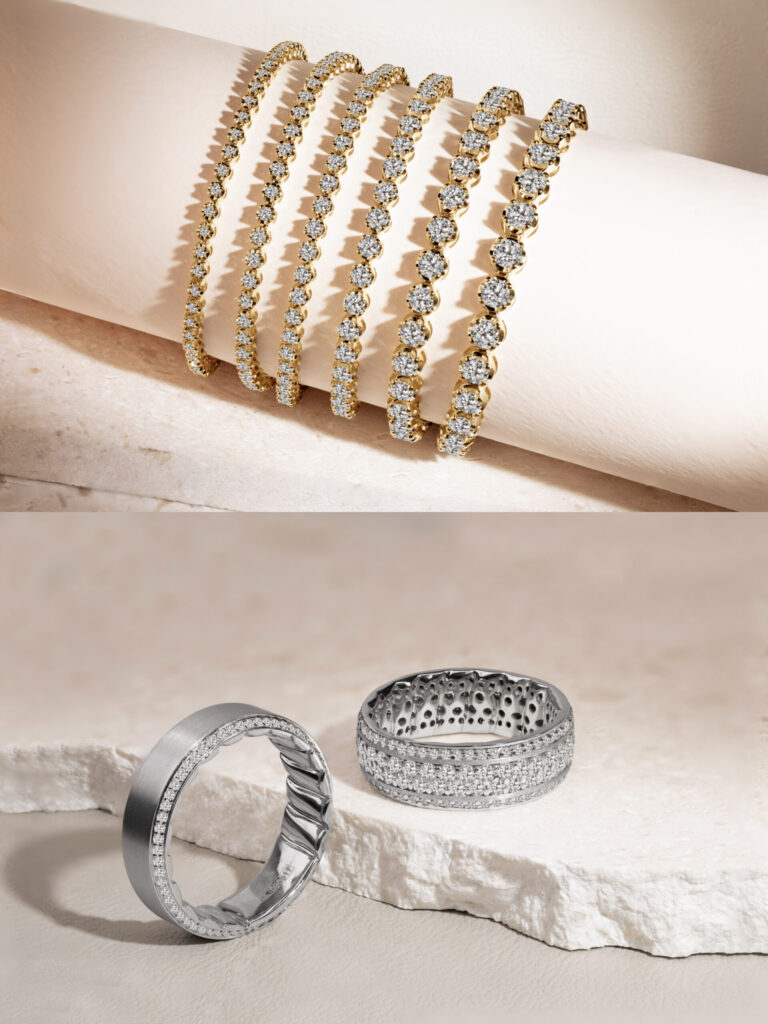
It’s objectively an extraordinary object. So is the craftsmanship and the whole concept. But what makes it significant are neither of those things. It’s the fact that a conventional retail brand created space for that commission to exist in the first place. That wasn’t a simple marketing decision, but rather a display of company values. It’s a reflection of Robbins Brothers’ entire belief system.
So here’s the broader question the industry is tensely sitting with: what happens to luxury when status is no longer the primary currency?
At least in jewelry, based on what’s actually selling and what people are talking about; it’s meaning that fills the gap. Not as a consolation prize, but as the actual product. The pieces that are currently being kept and commissioned are the ones whose stories can’t be mass-produced. No price point can ever manufacture or personalize these stories, the way only each individual can tell it. This isn’t a mere “trend”. Trends reverse. It’s an intentional repositioning and correction that’s been long overdue.
For brands the implication is uncomfortable yet clear as day: emotional resonance is no longer a marketing layer on top of a luxury product. The brands that understand this and build accordingly, are the ones with the staying power in a market that is done being impressed by prices. The ones still leading with exclusivity alone are going to find the room a lot quieter than it used to be.
As luxury consumers increasingly demand meaning behind what they’re purchasing, they’re anticipating closely to see which brands will or won’t deliver it on point. The ones with a real answer will survive through it and thrive. The ones performing depth they don’t have? The people will collectively respond louder than any critic ever could.
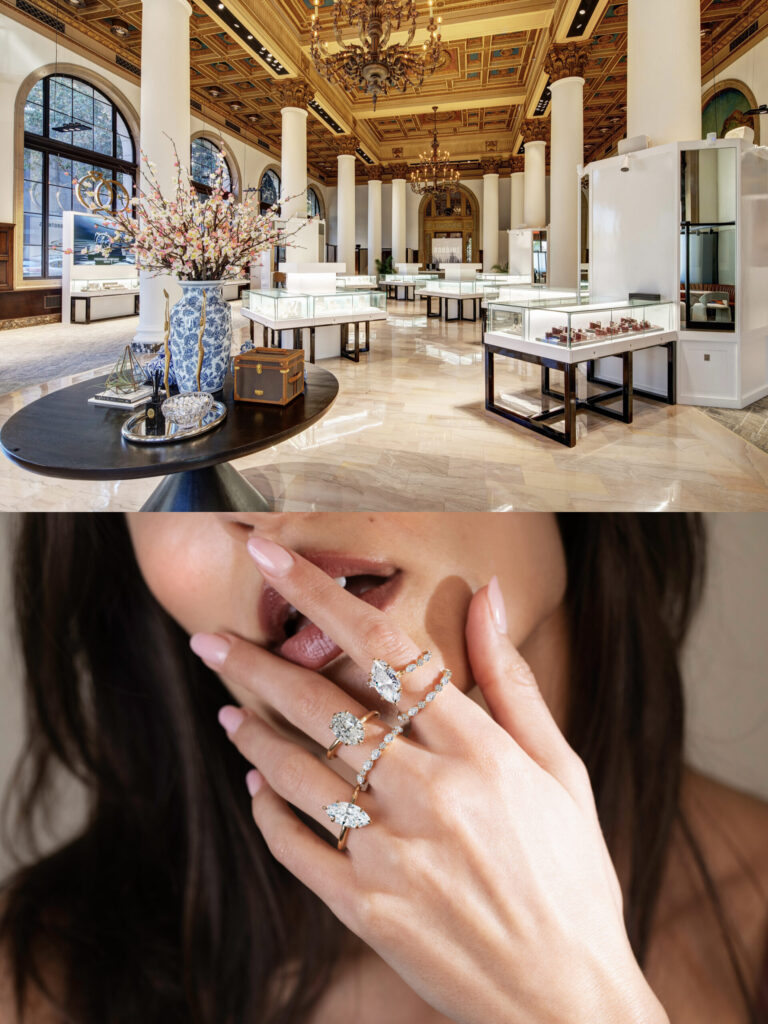
Photo Courtesy of Robbin Brothers