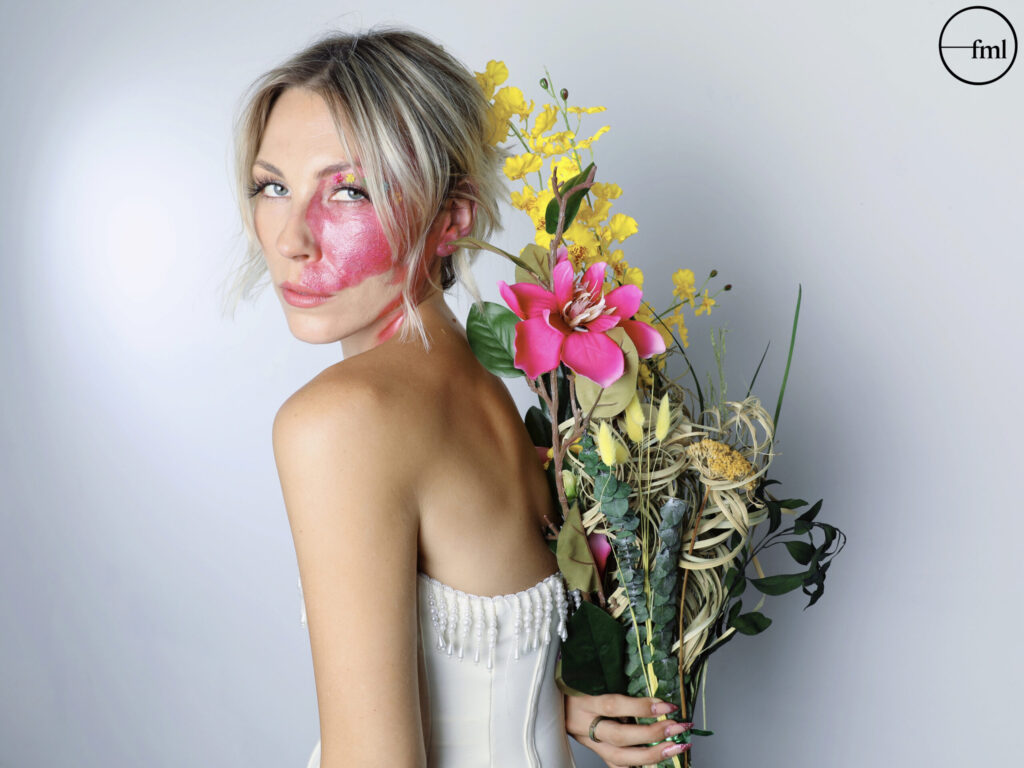
Highlight Your Difference: Paige Lauren Billiot
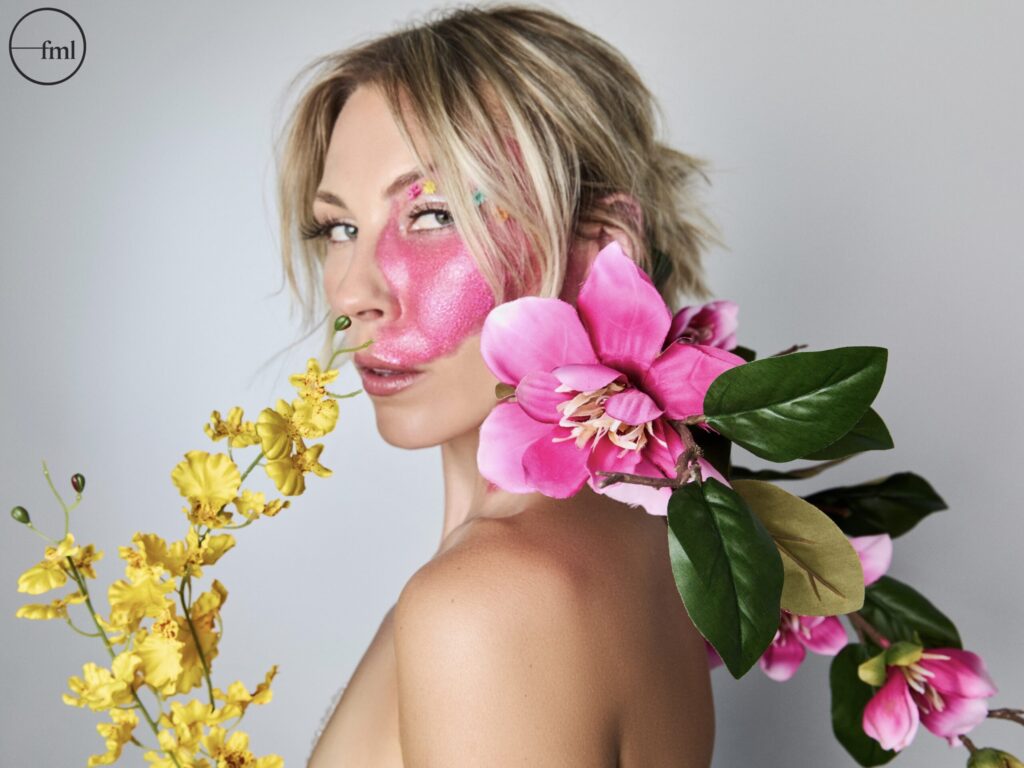
Beauty has long been shaped by narrow definitions, but a new generation of creatives is proving that representation is not simply about inclusion. It is about rewriting the visual language of culture itself. Few embody that mission more clearly than Paige Lauren Billiot. As a model, producer, advocate, speaker, and founder of the Flawless Affect Foundation, Billiot has transformed what society once viewed as a limitation into the very foundation of her work, using fashion, media, and storytelling to challenge outdated ideals of beauty.
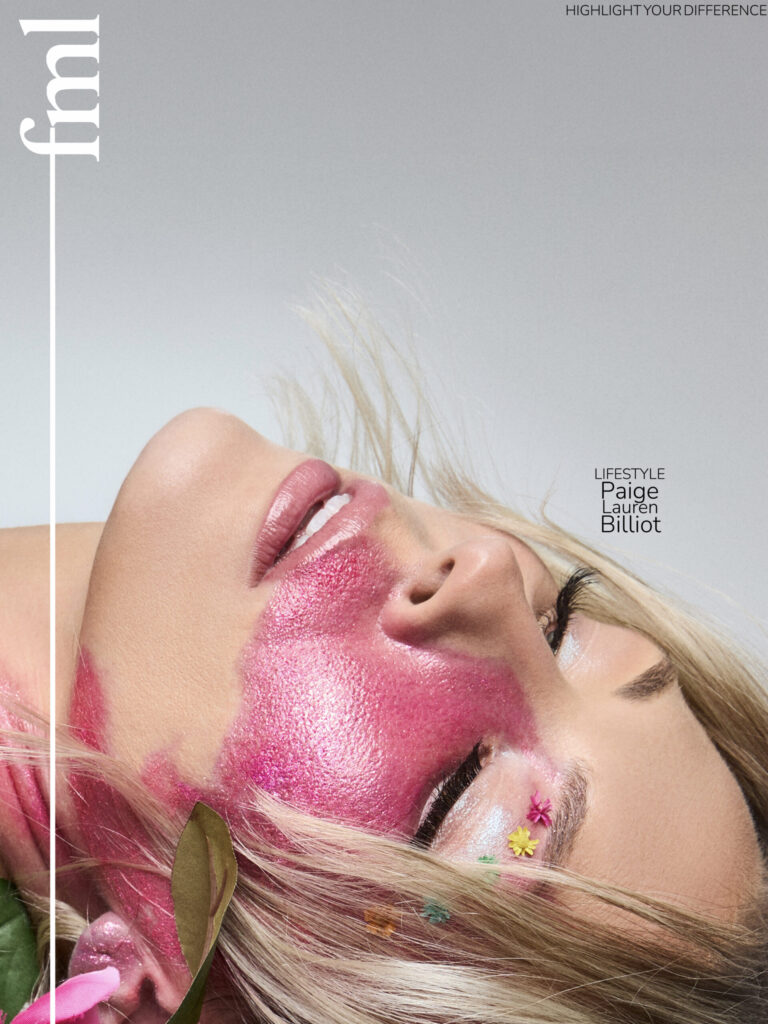
Born with a facial port wine stain birthmark, Billiot grew up rarely seeing anyone who reflected her own experience represented in magazines, advertising, or entertainment. Rather than allowing that absence to define her, she made it the catalyst for a career dedicated to expanding who gets to be visible. Since moving to Los Angeles, she has appeared in national beauty campaigns, collaborated with leading beauty brands, and become one of the most recognizable advocates for people with visible differences. Her work has been featured by People, Glamour, Harper’s Bazaar, Cosmopolitan, Seventeen, and Women’s Health, earning recognition not only as a model, but as a voice helping reshape the industry’s conversation around authenticity, confidence, and representation.
At the heart of her mission is the Flawless Affect Foundation, the nonprofit organization she founded to empower individuals with visible differences through advocacy, education, storytelling, and community. The foundation works to expand authentic representation across fashion, beauty, entertainment, and media while encouraging people to embrace the very qualities that set them apart. Its latest initiative, Highlight Your Difference, continues that vision through a striking portrait series that rejects conventional narratives surrounding visible differences. Rather than presenting difference as something to overcome, the project celebrates confidence, joy, resilience, and individuality, reminding audiences that beauty has never belonged to a single face, story, or standard.
For Billiot, visibility extends far beyond the frame of a photograph. Every campaign, editorial, and conversation becomes an opportunity to broaden the definition of beauty and create space for future generations to recognize themselves in the stories being told. In an industry that continues to evolve, her work serves as a reminder that meaningful representation is not about meeting expectations. It is about expanding them.
Paige Billiot
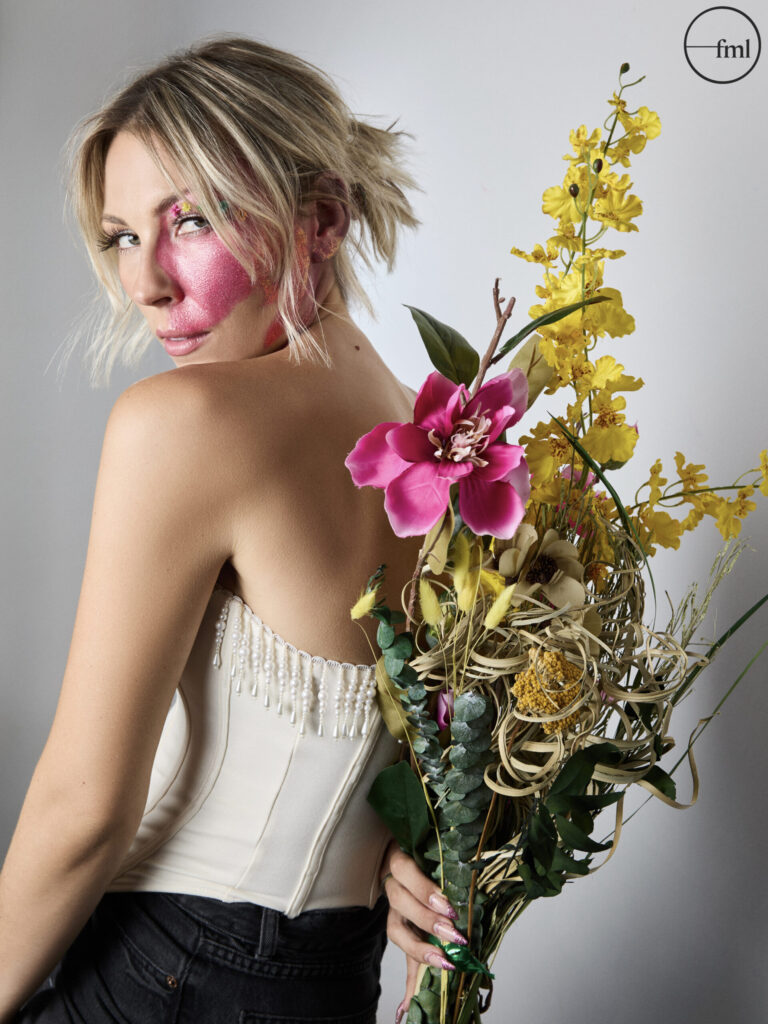
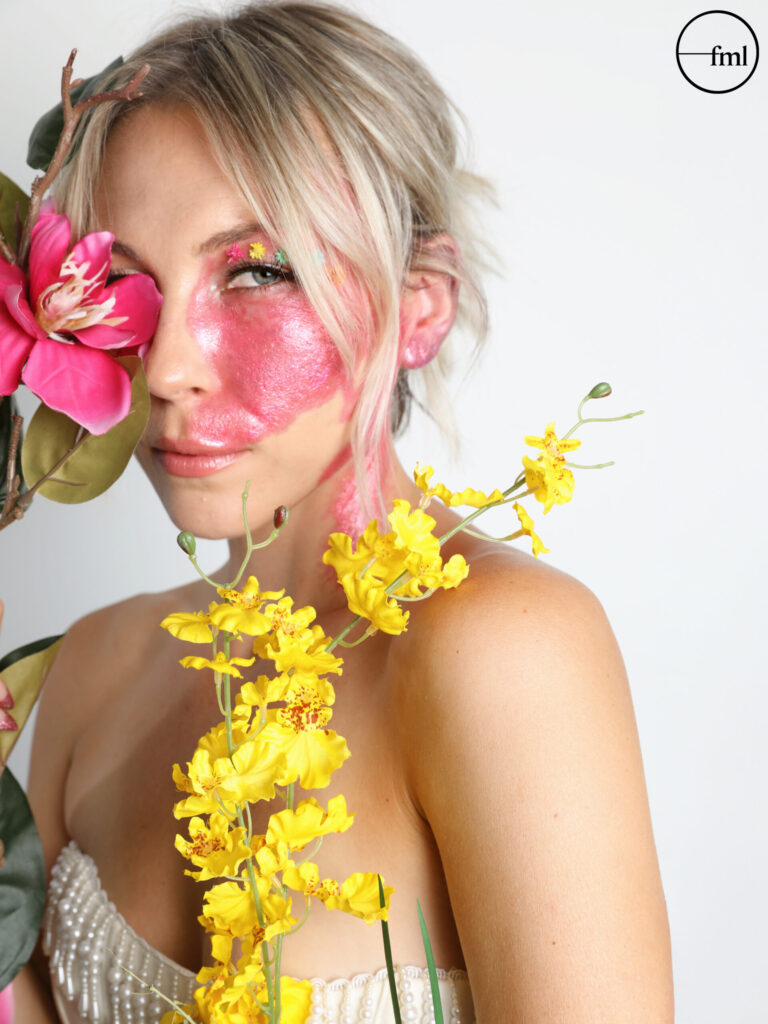
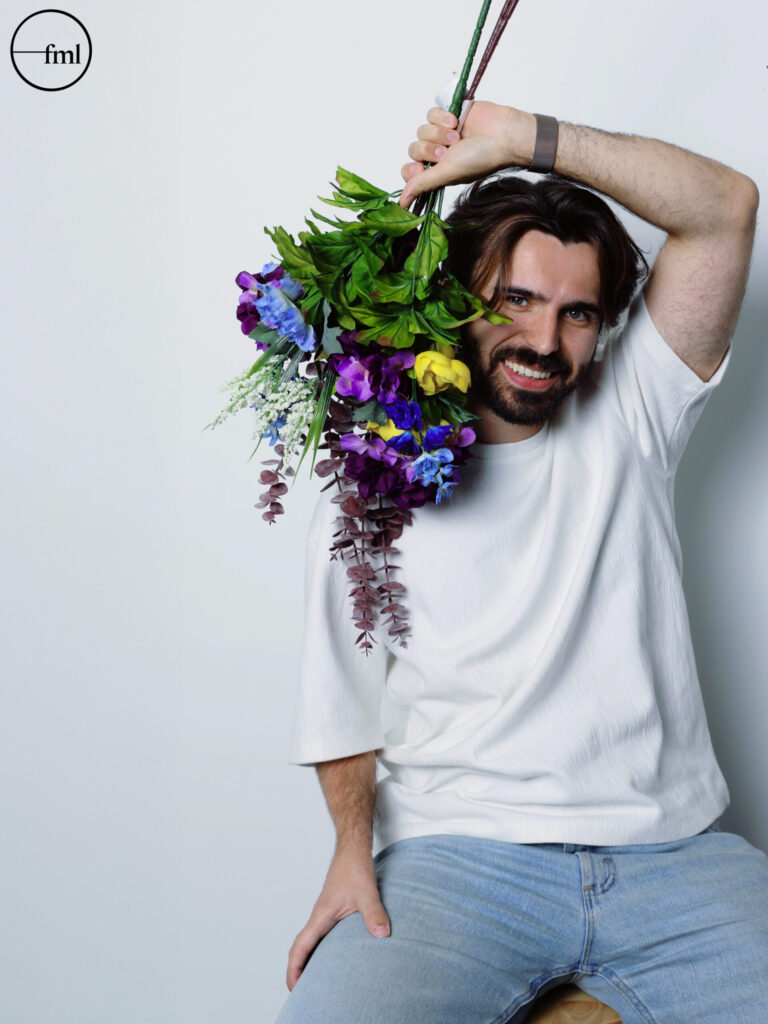
For FML’s latest Digital Cover, we had the opportunity to sit down with Paige Lauren Billiot to discuss representation, visibility, and the responsibility that comes with creating lasting change. Alongside the conversation, FML Creative Director and photographer Reinhardt Kenneth collaborated with Paige on Highlight Your Difference, translating the foundation’s mission into an editorial portrait series that celebrates individuality with honesty, elegance, and strength. The series moves beyond awareness to create images where visible differences are not treated as a point of contrast, but simply as part of the subject’s identity. The result is a collaboration rooted in authenticity, reflecting Paige’s vision of a future where representation is no longer exceptional, but expected. Together, the editorial stands as both a celebration of self-expression and an extension of the Flawless Affect Foundation’s mission: creating a world where everyone is empowered to be seen exactly as they are.
FML: You were born with a facial port wine stain birthmark and have built a career around challenging traditional beauty standards. What inspired you to turn your personal experience into a platform for advocacy?
PLB: Growing up, I spent so much energy trying to blend in. I thought confidence meant becoming less noticeable. But the more I tried to hide what made me different, the more disconnected I became from myself.
After college, I moved to Los Angeles to pursue acting, modeling, and producing. I wanted to tell stories, but I also wanted to see someone who looked like me in those stories. It didn’t take long to realize the industry wasn’t looking for someone with a facial birthmark. I was constantly hearing things like, “You’re too distracting,” “We can’t put you in the front,” or “Can’t you just cover that?”
Eventually I stopped asking for permission and started creating the representation I wished I’d had growing up. What surprised me most was that people connected with my story not because they had birthmarks, but because everyone has something they’ve been taught to hide. My birthmark became the conversation starter, but the mission became much bigger than me. Today, my work is about helping people see that the very thing they thought disqualified them may actually be the thing that makes them unforgettable.
FML: How did your upbringing in Seattle and Las Vegas shape your perspective on identity, confidence, and self-expression?
PLB: I was born in Seattle but spent most of my childhood growing up in Las Vegas, two very different worlds.
Las Vegas is unlike anywhere else. It feels like its own universe. It’s creative, vibrant, and gave me every opportunity to explore theatre, dance, music, and performance. I was a theatre major at the Las Vegas Academy, performed in productions throughout high school, and even sang and danced in an Elvis and Michael Jackson tribute show.
At the same time, Vegas also gave me a unique perspective on the importance of living intentionally. I grew up surrounded by gambling, smoking, partying, and people constantly chasing the next distraction. I watched how easy it was for people to lose themselves while searching for happiness outside of themselves.
Looking back, I think growing up between those two worlds shaped one of the beliefs I carry with me today. We all have a choice between becoming the easiest version of ourselves or becoming the highest version of ourselves. My work has always been about helping people choose the latter.
FML: What first drew you to theatre and the performing arts while studying at the Las Vegas Academy of Performing Arts & International Studies?
PLB: I think I was about eight years old when I decided I wanted to act, and part of that was because acting meant I could be anyone but myself. I could disappear into someone else’s story instead of worrying about how people saw mine. AND I’d have the excuse to cover up my birthmark which felt like freedom at the time.
My mom was incredible. She kept me constantly involved in dance, theatre, choir, and performing arts. Those activities definitely helped give me confidence in my body and expression.
As I got older, though, I stopped wanting to disappear into characters because I was ashamed of who I was. Instead, I wanted to bring my whole self into every role. Today, I still love acting, but I’m equally passionate about creating stories where someone with a visible difference doesn’t have to be hidden, explained, or transformed. They simply get to exist.
FML: What motivated your move to Hollywood in 2014, and what were some of the biggest challenges you faced early in your career?
PLB: I moved to Los Angeles because I wanted to build a career as an actress, model, and producer. But after 2 years of being told, “We don’t know where to put you” “You’re too distracting in the back” “You can cover that right?”, I realized no one was going to take the first risk on me. If I wanted to see authentic representation, I was probably going to have to create it myself.
That’s what ultimately pushed me into producing, creating digital content, and building my own platform. The obstacles that once felt like roadblocks ended up becoming the reason I built an entirely different lane.
FML: How has the beauty and fashion industry changed in terms of representation since you began modeling?
PLB: The conversations around inclusion and representation are happening far more often today than they were when I first started.
But I also think we’re still confusing moments with movements.
We’ll celebrate one incredible campaign featuring someone with a visible difference or disability, and then turn around and see five more campaigns that fall right back into the same narrow definition of beauty.
Representation can’t be treated like a special occasion. It has to become ordinary.
I think the biggest shift still ahead of us is moving from “Look how inclusive we are” to “Of course they’re here.” That’s when we’ll know we’ve truly changed the culture.
And it shows in how and what stories people are investing in. Inclusion and diversity is still treated like a high risk investment. People will even say they want to support these messages, but when it comes to taking action, it falls flat. We still have a lot of work to do.
FML: Can you share a moment in your career when you felt the industry was becoming more inclusive of people with visible differences?
PLB: One moment that really stands out was being cast as one of the faces of IT Cosmetics and seeing my image in Sephora and Ulta stores around the world.
Growing up, I never saw someone who looked like me represented in the beauty aisle. So to walk into a store and see my face, birthmark and all, wasn’t just a career milestone. It felt like a cultural one.
At the same time, that experience also reminded me how much work is still left to do. As incredible as that campaign was, it’s been surprisingly difficult to build another national beauty campaign since then.
I think that’s where the industry still has room to grow. One campaign can’t be the finish line. Representation has to become consistent, not occasional. Success shouldn’t depend on being the one exceptional story. It should become normal to see people with visible differences represented across beauty, fashion, and entertainment.
That’s the future I’m working toward. Not just celebrating breakthrough moments, but helping create an industry where they no longer feel like breakthroughs at all.
FML: You have partnered with leading beauty brands on national campaigns. What do you look for in a brand partnership?
PLB: I don’t have one checklist because every partnership has a different opportunity.
Sometimes the goal is visibility. Sometimes it’s education. Sometimes it’s creating the very first image a little kid has ever seen of someone who looks like them. Other times it’s simply reminding people that representation doesn’t always have to announce itself. Sometimes it can just exist.
The theme I always stick to is the potential impact beyond the campaign.
If all we create is beautiful content, we’ve probably missed the opportunity.
If we create a moment that changes how someone sees themselves or someone else, that’s a partnership I’ll always be proud of.
FML: Why is authentic representation so important in beauty, fashion, and entertainment today?
PLB: Authentic representation isn’t about checking a diversity box. It’s about truth.
Visibility gives people permission. When someone sees a person with their lived experience succeeding, falling in love, leading, creating, or simply existing without apology, it quietly expands what they believe is possible for themselves.
That’s why lived experience matters. We increasingly recognize that disabled characters deserve to be played by disabled actors because authenticity creates trust, nuance, and respect.
The same should be true for people with visible differences. Our experiences aren’t costumes. They’re lives we’ve actually lived.
When we allow authentic voices to tell authentic stories, everyone benefits. The audience gets a more honest story, the community feels genuinely seen, and society slowly begins to replace assumptions with understanding.
FML: How do you define beauty, and how has that definition evolved throughout your life?
PLB: Beauty is authenticity in motion.
I don’t think beauty is something we’re born with or something we achieve. I think it’s something people experience when they stop performing and start fully inhabiting who they are.
Some of the most beautiful people I’ve ever met wouldn’t fit conventional beauty standards at all. What makes them magnetic is their presence. They’re comfortable being themselves, and that confidence changes the way the world experiences them.
That’s the kind of beauty I hope we continue celebrating.
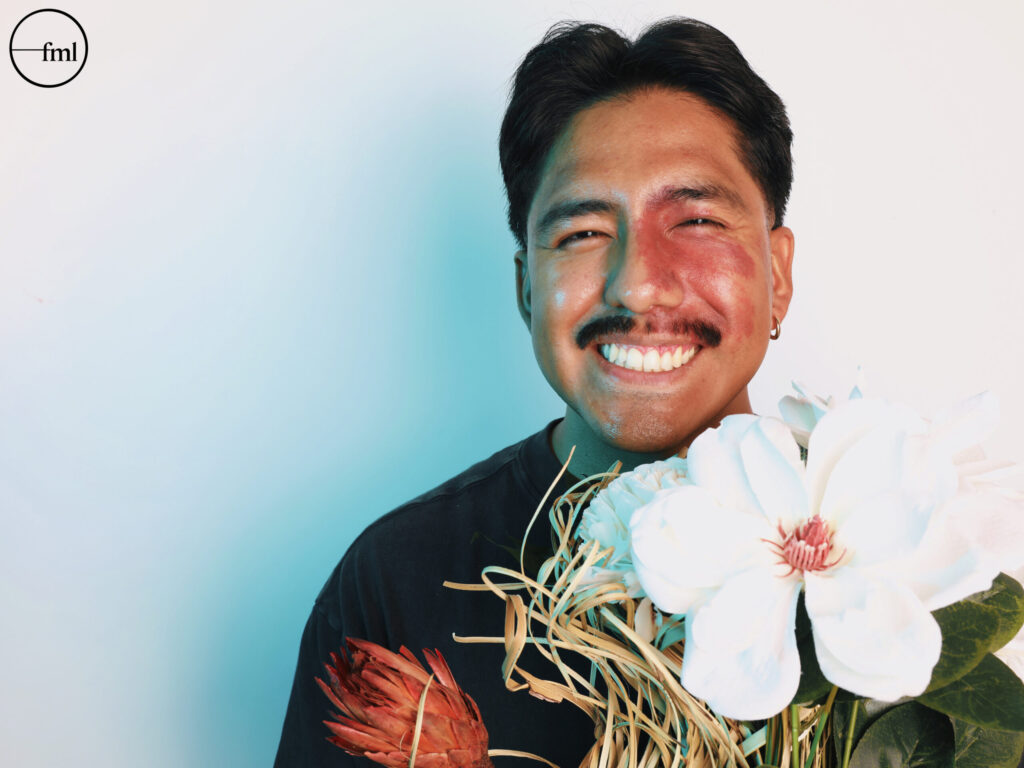
Edgar Cuautle
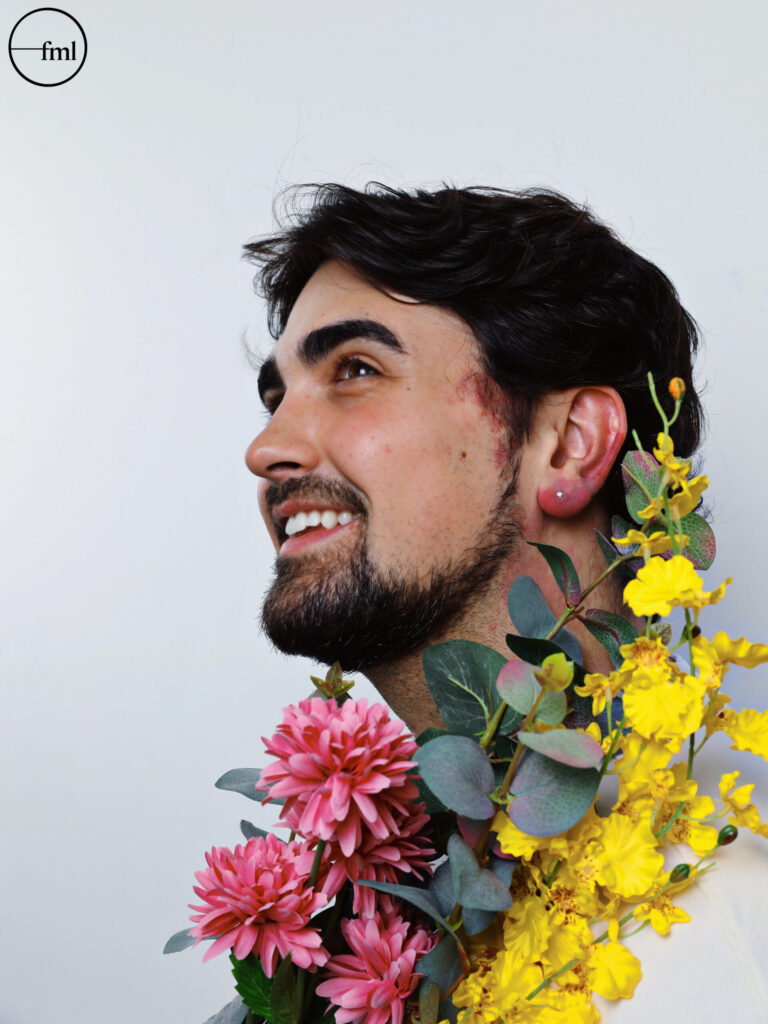
Bryce Eberly
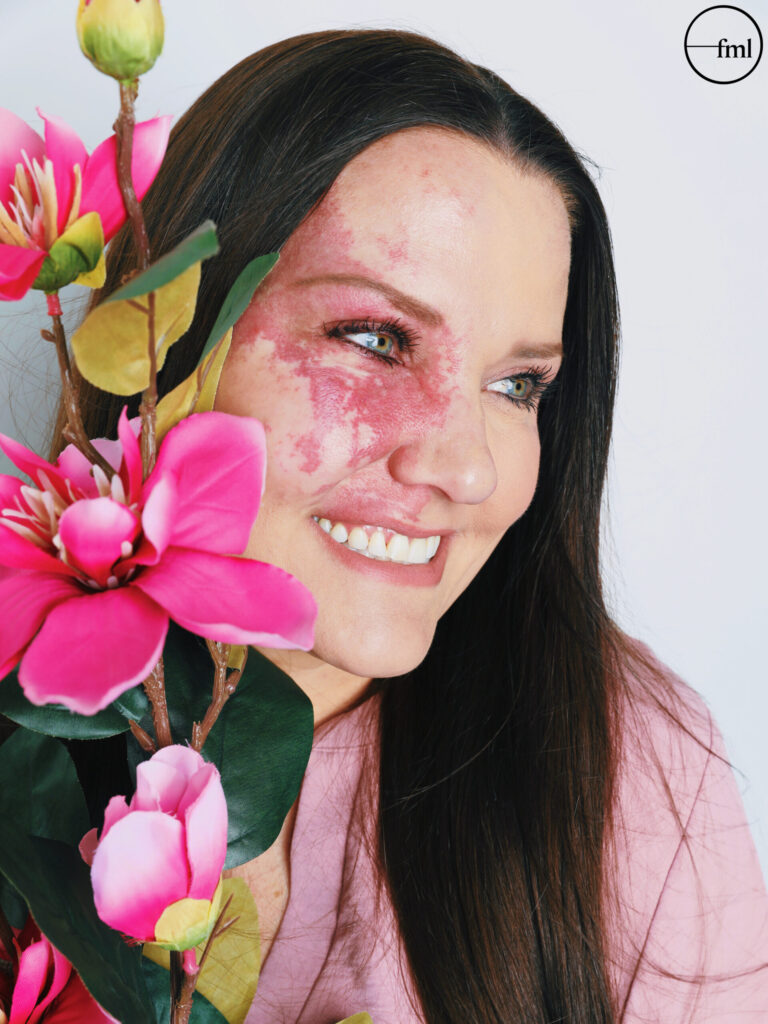
Brianne Riley
FML: Your work has been featured in major publications such as People, Glamour, Harper’s Bazaar, and Cosmopolitan. Which recognition has been especially meaningful to you and why?
PLB: Every opportunity has meant something different, but the moments that stay with me aren’t actually the headlines. They’re the messages behind the scenes.
Whenever a parent messagess me, “My daughter decorated her birthmark for her first day of 2nd grade,” or “I’m starting to view my difference as art since I’ve found your page,” that’s the recognition that matters most.
Publications come and go. Knowing someone sees themselves differently because they saw themselves reflected in my work, that’s something I’ll never take for granted. BUT, honestly I never thought I’d be in Harpers Bazaar. That one has been the coolest for me.
FML: What did it mean to be named one of Glamour’s “50 Instagrammers You Need to Follow Right Now”?
PLB: It was incredibly validating because, for so long, I was told the very thing that made me different would limit my opportunities.
To then be recognized for showing up exactly as myself felt like proof that authenticity can open doors perfection never could.
FML: How has social media helped you connect with and inspire people around the world?
PLB: Social media gave me something traditional media couldn’t at the time: permission to tell my own story. It’s also where I started to find community through #birthmark. For the first time, truly seeing other people who look like me. Now through my page, I still have people from around the world messaging me that my page is the 1st time they’ve seen other someone else who looks like them.
Social media can be welcoming and dangerous, but it can absolutely connect a community. I’ll always be grateful for that.
FML: What inspired you to create the Flawless Affect Foundation?
PLB: I realized I wasn’t trying to build awareness for birthmarks.
I was trying to build confidence for people who’ve spent their lives believing they were “too different.”
The foundation grew from that realization.
Representation is powerful, but representation alone isn’t enough. People also need education, community, resources, and practical tools for changing the way they see themselves.
The Flawless Affect Foundation exists to help people transform what they once saw as flaws into one of their greatest advantages.
FML: What are the core goals and mission of the Flawless Affect Foundation?
PLB: Our mission is simple: to help people stop hiding what makes them different and start using it as a source of confidence, purpose, and connection.
We do that through representation, education, storytelling, creative experiences, mentorship, and community to normalize differences and disabilites.
And the biggest mission – is for this to not be a conversation or movement anymore.
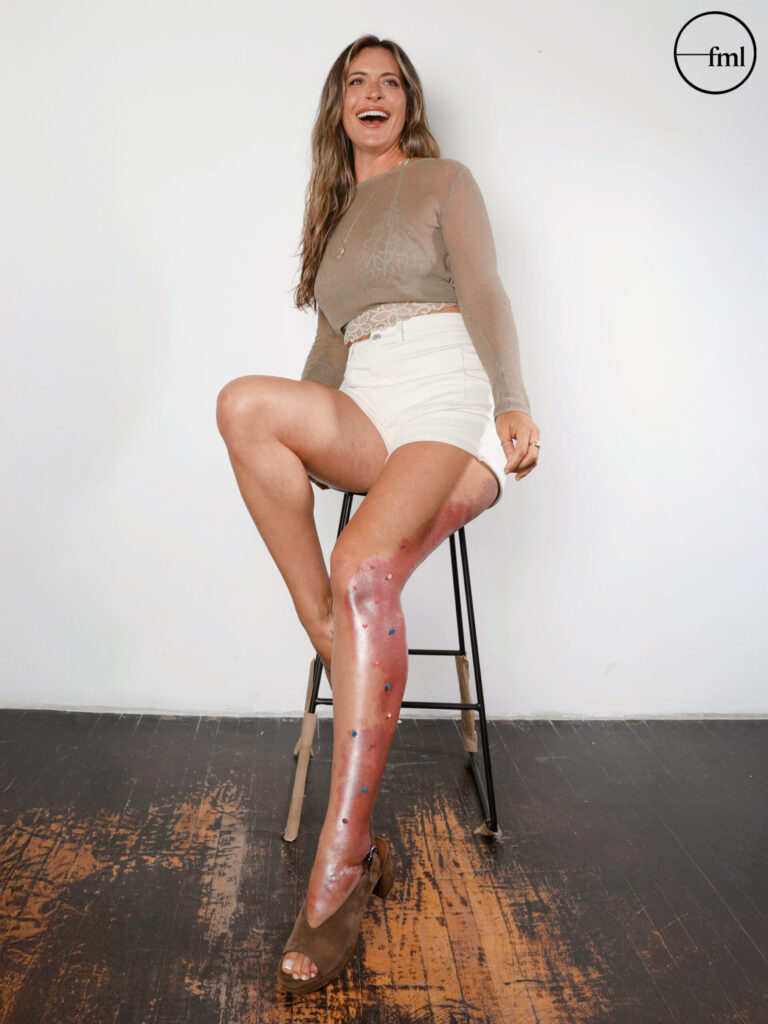
Katie Lou
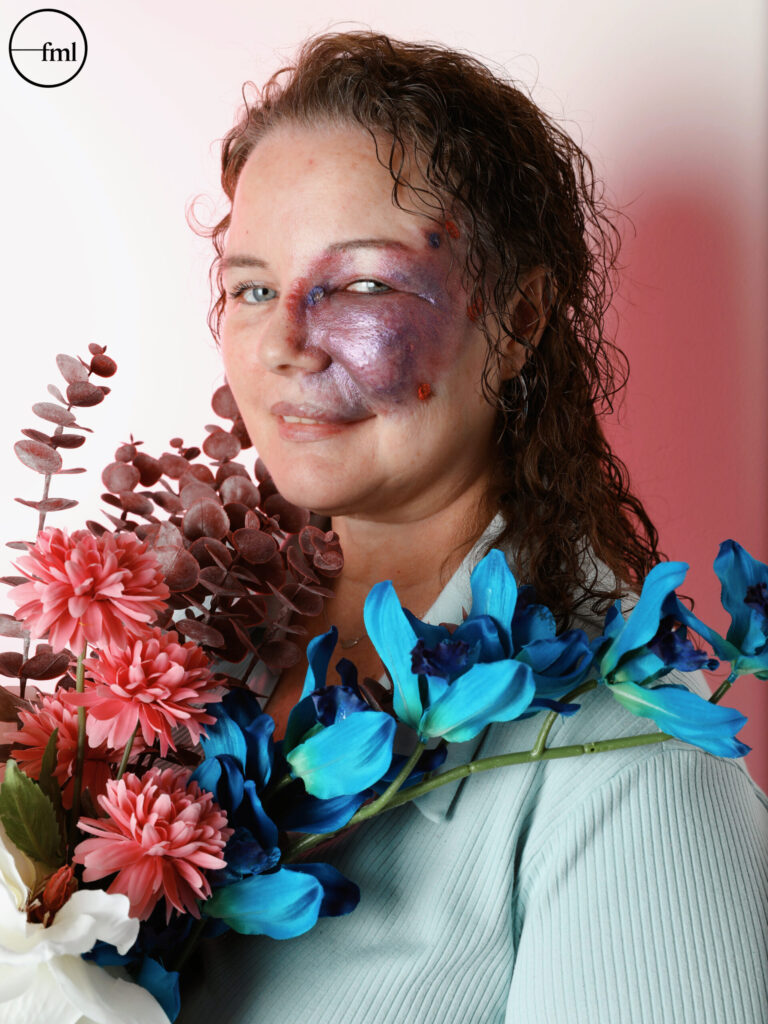
Gin
FML: How does the foundation help people transform what makes them different into a source of strength and confidence?
PLB: We help people by changing the conversation before we ask them to change how they feel.
So many of us have spent years attaching shame, fear, or limitation to the parts of ourselves that make us different. We don’t believe confidence starts by pretending those feelings don’t exist. It starts by challenging the stories we’ve been telling ourselves.
Through representation, storytelling, creative expression, community, and what I call the Flawless Affect Method, we help people begin seeing their differences through a different lens. When you consistently see people who look like you thriving, creating, leading, and living unapologetically, something starts to shift. You stop asking, “How do I hide this?” and start asking, “How can I use this?”
That shift in perspective is where confidence begins. Everything else grows from there.
FML: What role do storytelling and community play in creating lasting change and greater acceptance?
PLB: Storytelling changes perception. Community changes identity. A story can make you think differently for a moment. Belonging to a community reminds you every day that you’re not alone.
I think lasting change happens when those two things work together.
FML: What advice would you give to young people who feel different or struggle to see themselves represented in media?
PLB: First, find your community. Remind yourself everyday that you’re not alone.
And, stop waiting until you feel “enough.” There will always be another reason to postpone your life. Start now. The world doesn’t need a more polished version of someone else. It needs the version of you that only you can be.
And don’t underestimate this: the thing you’re most self-conscious about today may become the very thing someone else admires tomorrow. Give someone else permission to be authentically themselves.
FML: Looking ahead, what impact do you hope to make through your advocacy, creative work, and the Flawless Affect Foundation over the next decade?
PLB: Over the next decade, I hope we stop talking about representation as a trend and start treating it as a standard.
I want to create films, books, educational programs, campaigns, products, and experiences that help people rethink what beauty, confidence, and success can look like.
More than anything, I want the next generation to grow up with something I didn’t have: examples.
Because once someone can see what’s possible, it’s much easier to believe it’s possible for themselves.
And then we’ll finally have world peace. 🙂
FML: All too often, images of birthmarks are shown in medical, depressing, or distraught contexts. Why was it important for you to create a series that normalizes and celebrates birthmarks in a beautiful and empowering way?
PLB: We’ve been taught by society to associate visible differences with struggle before they ever associate them with beauty.
Of course there are real challenges that come with living with a visible difference, and we shouldn’t ignore those conversations. But they shouldn’t be the only story people see.
Beauty has always been one of the most powerful forms of storytelling. When you see someone photographed with intention, artistry, and confidence, your brain begins forming entirely new associations.
I wanted people to look at these portraits and think, “I’ve never seen a birthmark presented like this before.”
Because sometimes changing perception doesn’t begin with a conversation. It begins with an image.
FML: The series features birthmark beauty from across all generations—children, adults, and beyond. What was it like to bring together such an incredible and diverse group of individuals?
PLB: That’s one of the best parts putting these together. It becomes a community space not just a photoshoot.
Watching children meet adults who had spent decades navigating life with visible differences, and watching those adults see themselves reflected in the next generation, was incredibly emotional.
There was this unspoken understanding between everyone in the room. Different ages, different stories, but so many shared experiences. For a few hours, no one felt like the only one anymore.
That’s a big part of why I coordinate the community meetups and opportunities for us to come together in a fun and safe way.
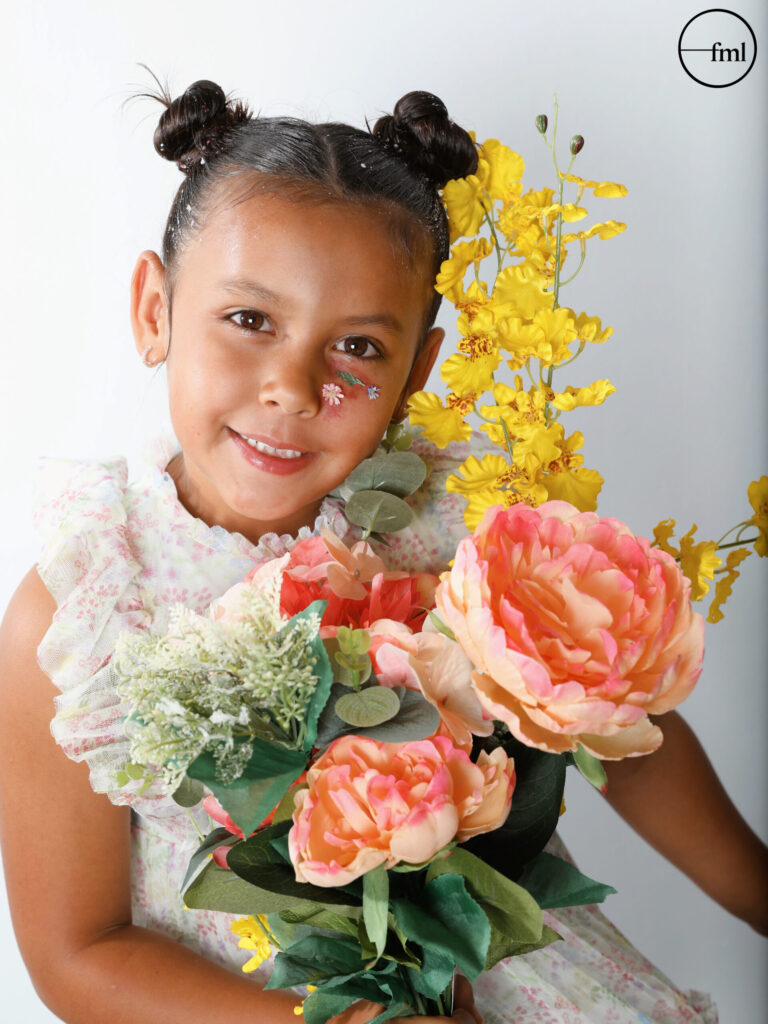
Olivia
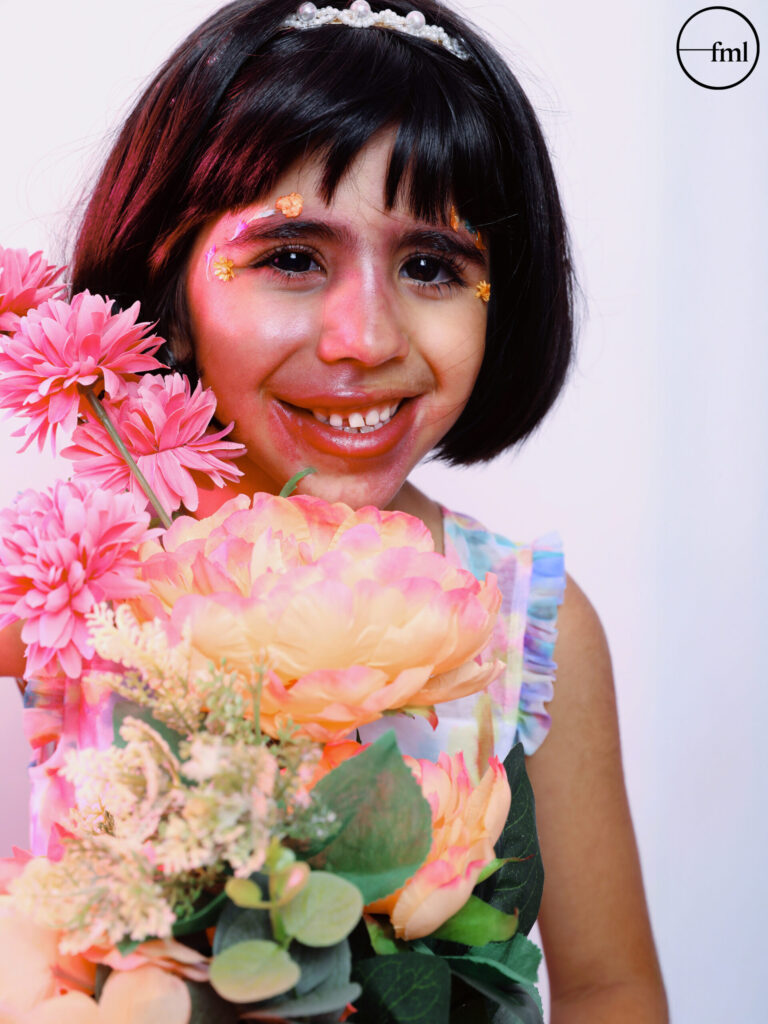
Niki
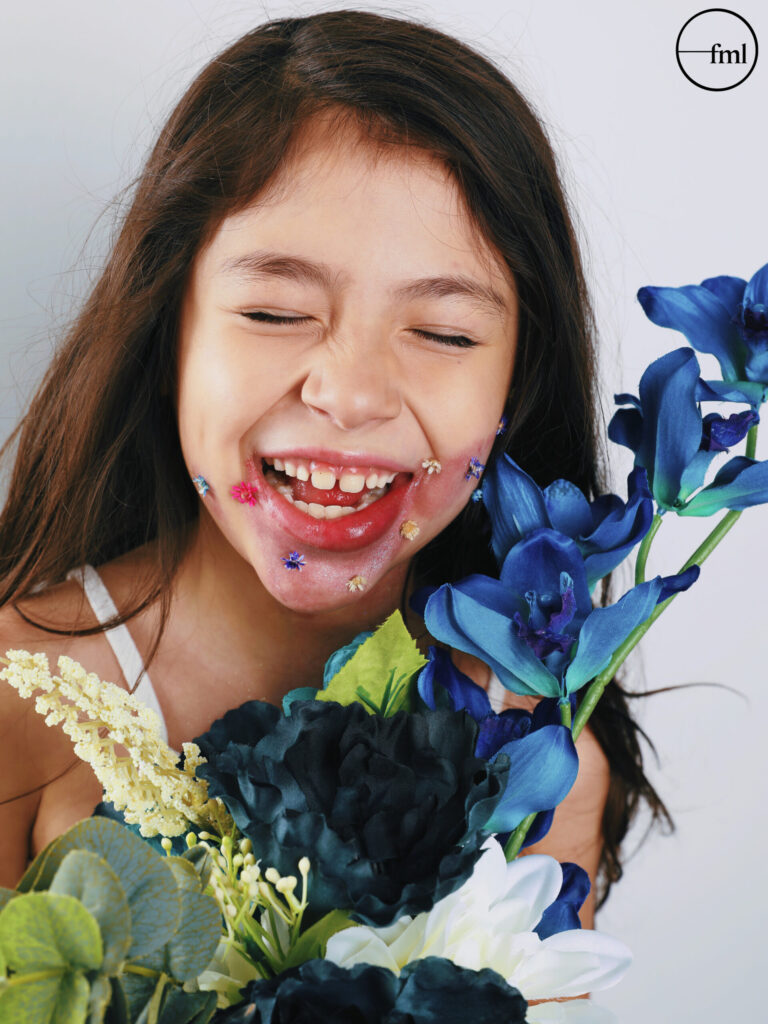
Ava
FML: The expressions and happiness of the little girls with birthmarks in the series are so touching and moving. What does it mean to you to see them represented as beautiful, confident, and joyful?
PLB: Seeing those little girls smiling so freely was incredibly emotional because I couldn’t help thinking about my younger self.
When I was growing up, I didn’t have images like this. I didn’t have examples that told me someone who looked like me could be beautiful, celebrated, or featured in something artistic.
Watching those girls light up seeing their photos was everything. It was about recognition.
They weren’t being asked to hide. They weren’t being “fixed.” They were being celebrated exactly as they were.
Every child deserves that experience.
FML: How do you think seeing images like these can impact the way children with visible differences see themselves as they grow up?
PLB: Children begin forming ideas about beauty long before anyone explicitly teaches them.
They notice who gets celebrated, who gets cast as the hero, who’s on magazine covers, and who quietly disappears from the conversation.
Representation isn’t just about making someone feel included in the moment. It shapes what’s imaginable for them in the future.
If a child grows up regularly seeing people with visible differences portrayed as beautiful, successful, joyful, funny, confident, or simply living ordinary lives, then they stop seeing those identities as exceptions.
They begin seeing them as possibilities and actually the standard.
FML: In the project, each individual is photographed with their birthmark as it is, and then with their birthmark enhanced through makeup that highlights it with colorful, iridescent designs and floral elements. Can you talk about the creative vision behind this approach?
PLB: We’ve been sold the idea that makeup is meant to cover, fix, perfect, or hide the parts of ourselves we’re insecure about. And don’t get me wrong, there’s nothing wrong with wearing makeup however you want. I love makeup. But I don’t think we need it to be beautiful, successful, or confident. Makeup is a tool. It’s a choice.
If makeup can be used to cover something, why can’t it also be used to highlight it?
So instead of trying to erase each person’s birthmark, every design was created around it. The flowers, the iridescent details, and the colors all followed their natural shape. That became the heart of the project. We weren’t changing anyone. We were changing the way people looked at what was already there.
Nelson Simao
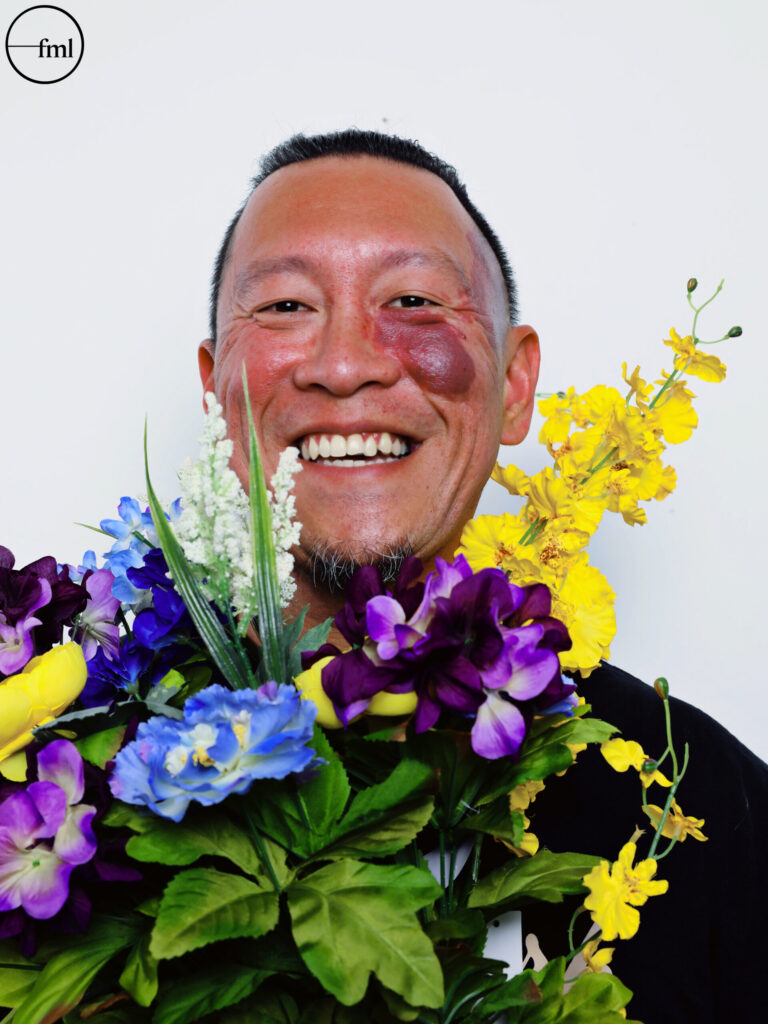
Adrian Quebengco
FML: What message do you hope Highlight Your Difference sends to the world about embracing what makes us unique and choosing to highlight it with beauty instead of trying to hide it?
PLB: I hope it encourages people to stop automatically seeing difference as something that needs fixing. The thing we’ve spent years trying to hide is actually the thing that makes us memorable. It’s the thing that makes us relatable and helps someone else feel seen.
That’s really the message behind Highlight Your Difference. You don’t have to wait until you’re “fixed” to start showing up in your life. You can choose to see yourself differently today. That’s where everything begins to change.
For Paige Lauren Billiot, representation has never been about visibility for visibility’s sake. It is about changing the stories we tell ourselves and the images that shape how we see one another. Through her advocacy, the Flawless Affect Foundation, and projects like Highlight Your Difference, she continues to challenge the notion that beauty belongs to only a select few. Instead, she offers a future where authenticity is no longer viewed as extraordinary, but as the standard.
In an era where images have the power to shape culture in an instant, Paige reminds us that meaningful representation is built through consistency. Every photograph, campaign, and conversation becomes another step toward expanding the definition of beauty, ensuring that future generations grow up seeing themselves represented across all platforms.
Paige’s #FMLFaves
Favorite Song – Right now…Here Comes the Sun” by The Beatles
Favorite Movie – Right now…Everything Everywhere All At Once
Favorite Dish – fries
What’s in your bag? – too many receipts, 3x different lip glosses, 1x chapstick, 1x lip liner, taser, at least 8 rings that I forgot about, electrolyte packet, Abib SPF roll on stick, and usually a snack or gum but surprisingly don’t have any of that right now.
EIC: Gina Kim-Park ( @ginakpark )
Photography: Reinhardt Kenneth ( @reinhardtkenneth )
Talents:
Paige Lauren Billiot
@flawless_affect
Adrian Quebengco
@birthmark_society_apparel_co
Brianne Riley
@brizee_riley
Bryce Eberly
@bryceeberly
Gin
@gin.an.jas
Nelson Simao
@nellysimao
Niki
@amin.m.aghasi
Olivia
@lizzduran33
Katie Lou
@kt.vibes.only
Edgar Cuautle
@eecuautle
Ava
@issa_7411
Lighting Director: Ralphy Valle ( @ralphyvalley )
Digitech: Suimay Lee ( @suimaylee )
Retoucher: Valeria Mediana ( @medianaretouch )
HMUA: Carisa